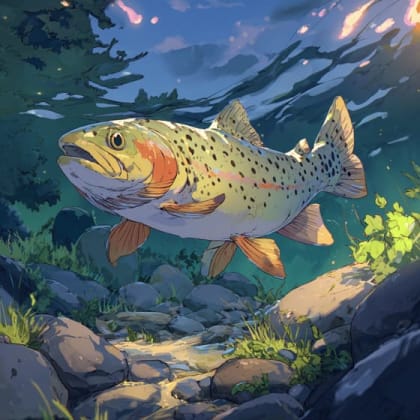
Greenback Cutthroat Trout
oncorhynchus clarki stomias
The Greenback Cutthroat Trout is a beautiful fish with bright red spots and a greenish back! They live in cold, clear streams and lakes, making them a favorite for fishing enthusiasts.
Habitat: Cold, clear streams and lakes in mountainous regions.
The Greenback Cutthroat Trout is a sleek fish with an olive-green back and silvery sides. Its belly and lower fins often have a warm reddish hue. A bright red-orange slash under its jaw gives it its 'cutthroat' name, distinguishing it from other trout.
Category
FishRarity
Common
Danger
0/5 · No known danger
Snaps
Be the first to snap!
Each trout has unique spot patterns, like a fingerprint on their scales!
They are Colorado's state fish, representing resilience and natural beauty!
They can change their skin color slightly to blend better with their stream home!
This trout was once thought extinct, but a small population was rediscovered!
Greenback Cutthroat Trout can detect tiny vibrations in the water because of their lateral line, which helps them find food and avoid danger.
Greenback Cutthroat Trout has a special physiology that allows them to thrive in very cold, oxygen-rich mountain streams.
Greenback Cutthroat Trout can leap out of the water to catch flying insects because of its powerful tail, helping it find food.
These trout love to munch on insects and tiny aquatic critters living in their mountain stream homes!
Age differences: Larger trout eat small fish, while younger ones focus on insects and plankton.
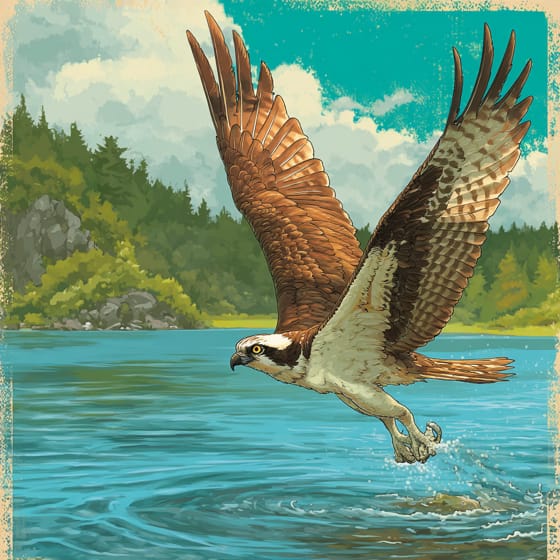
Pandion haliaetus
Osprey hunt these trout from above.
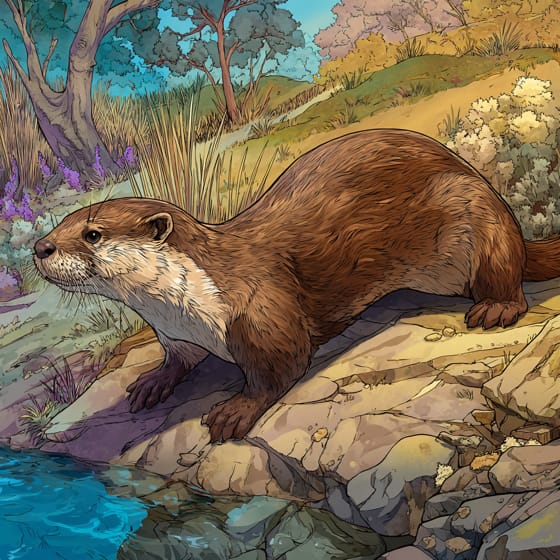
Lontra canadensis
Otters are skilled hunters of fish in streams.
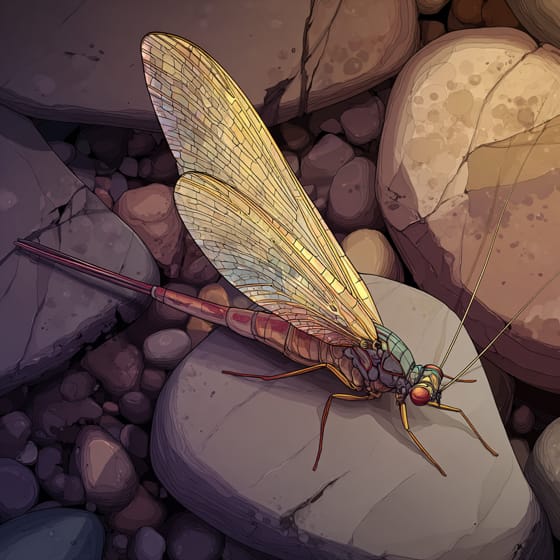
Baetis tricaudatus
Young trout consume mayfly nymphs and adults.
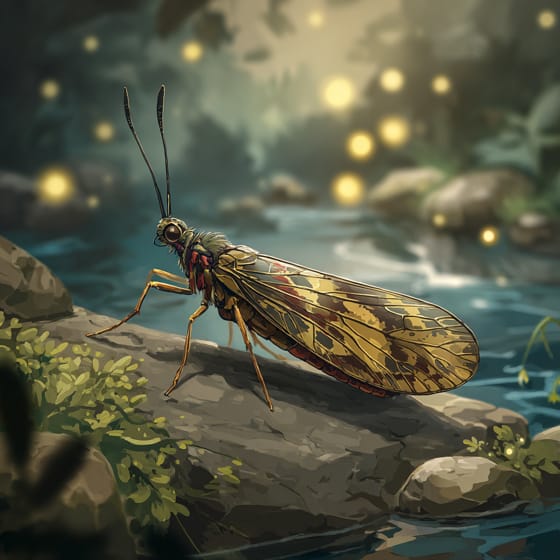
Rhyacophila acropedes
Caddisfly larvae are a major food source.

Picea engelmannii
Forests help keep streams cold and clear for trout.
Marked with spots or patches of a different color.
Solitary animals live alone for most of their lives, only interacting with others for mating or parental care.
Colorful describes organisms or objects displaying a wide range of bright and distinct colors.
This trait identifies organisms whose diet consists entirely or primarily of animal tissue.

Aquatic habitats encompass environments where organisms live predominantly in water, including oceans, rivers, lakes, and wetlands.
Danger
0/5 · No known danger
No special safety notes yet.
The easiest way to identify Greenback Cutthroat Trout is to use the Snappit nature identifier app.
15-45 cm
0.1-1 kg
3-7 years
These trout love to munch on insects and tiny aquatic critters living in their mountain stream homes!
20 km/h
Cold, clear streams and lakes in mountainous regions.
Foraging
Zoom in to split clusters and explore where this object has been snapped.
Recent snaps will appear here as new observations are added.
Take the discovery with you
Snap it with Snappit to identify it, learn what makes it special, and add the discovery to your collection.