





ground-ivy
Glechoma hederacea
Ground-ivy is a lovely green plant that grows close to the ground. It has pretty, round leaves and small purple flowers that bloom in spring. You can often find it in gardens and parks!
Habitat: Urban areas
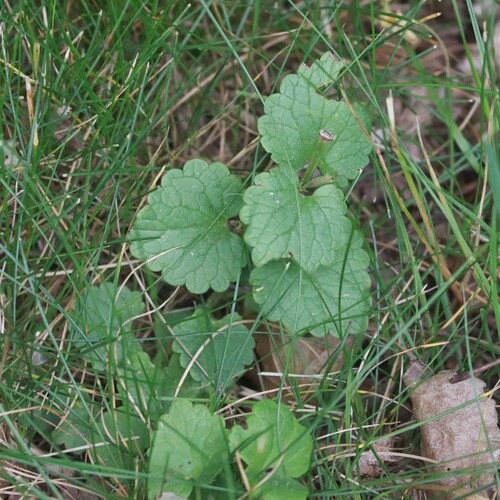
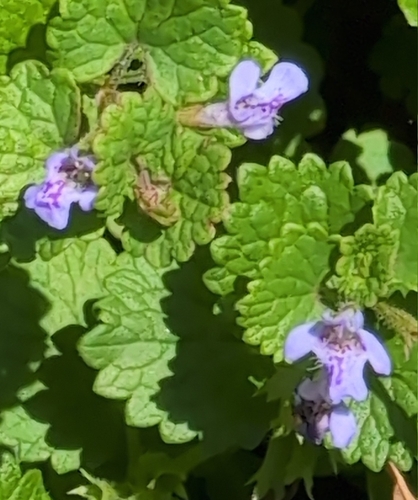
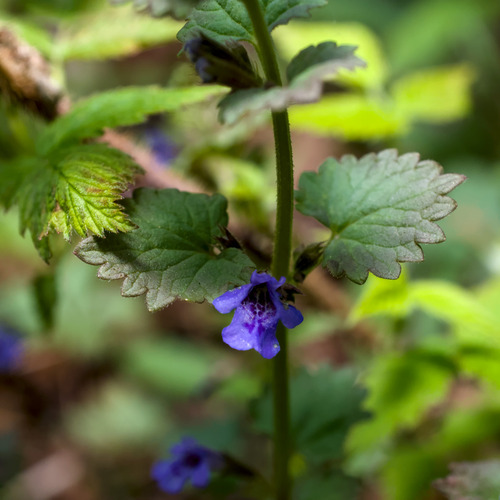
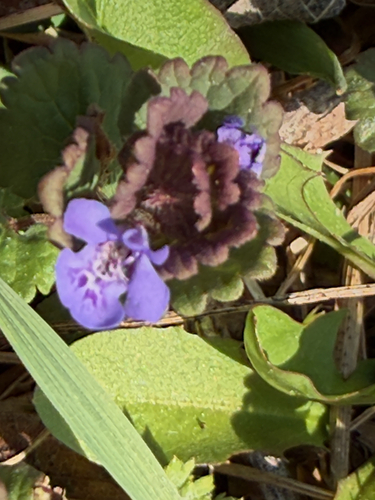
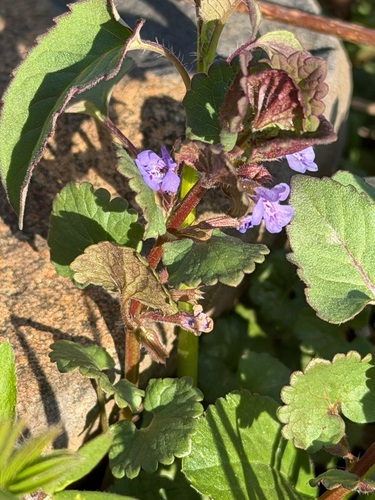
The ground-ivy is a low-growing, creeping perennial with distinctive kidney to heart-shaped, scalloped leaves. Its small, trumpet-shaped flowers are typically purplish-blue and grow in clusters where the leaves meet the square stems, forming dense mats.
Category
PlantsRarity
Common
Danger
1/5 · Very low
Snaps
80
If you crush its leaves, you might smell something minty or even a bit like catnip!
Its old name, 'alehoof', hints at its historical use to flavor beer before hops were common!
Some people call it 'creeping Charlie' because of how fast it creeps along the ground!
This tough plant can quickly recover from being stepped on or mowed, bouncing back stronger each time!
Ground-ivy has creeping stems that can root at their nodes, helping it quickly spread and colonize new ground.
This plant can thrive in deep shade, an adaptation that allows it to grow where many other plants struggle to survive.
Ground-ivy's crushed leaves release a strong, minty aroma, a chemical defense that can deter hungry herbivores.
Its low-growing, mat-forming habit helps ground-ivy withstand trampling and frequent mowing, allowing it to persist in lawns.
Apis mellifera
Its nectar-rich flowers attract these busy insects.
Bombus terrestris
Large bees visit its flowers, collecting nectar and pollen.

Helix aspersa
Snails often graze on its leaves, especially young foliage.
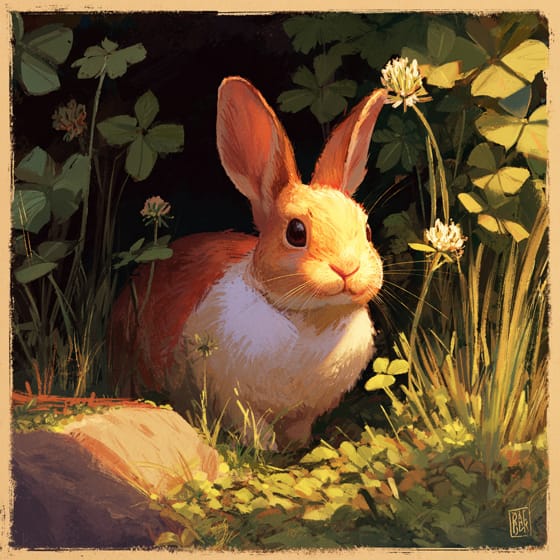
Oryctolagus cuniculus
Rabbits browse on its leaves when other food sources are scarce.
Flowering plants are any plants that produce flowers as part of their reproductive cycle.
Shade tolerant plants are adapted to grow and thrive in areas with low light levels, requiring less direct sunlight.
Spring blooming plants produce their flowers during the spring season, often signifying the end of winter and the start of new growth.
Fragrant flowers emit a pleasant aroma, often to attract pollinators or for defense.

Medicinal plants possess chemical compounds that can be used for therapeutic purposes to treat illnesses or maintain health.

Edible plants are those parts of a plant that are considered safe for human consumption.

Rapid growing plants exhibit accelerated growth rates, quickly increasing in size and biomass within a short period.

This habitat trait indicates species that can coexist with humans in urban and suburban environments, utilizing man-made structures and green spaces.
Danger
1/5 · Very low
Always check with an adult before touching or picking any plants.
The easiest way to identify ground-ivy is to use the Snappit nature identifier app.
5-20 cm
1-2 cm
Spring to early Summer
Yes
Mild
Perennial
Insect
Zoom in to split clusters and explore where this object has been snapped.
Jun 7, 2026
East Windsor Hill Historic DistrictPhoto attribution
(c) Mark Apgar, some rights reserved (CC BY)
License: CC BY 4.0 ↗
Image may be shown cropped inside the card frame.
Jun 4, 2026
John J. Tyler ArboretumPhoto attribution
no rights reserved
License: CC0 1.0 ↗
Image may be shown cropped inside the card frame.
May 17, 2026
Mohawk TrailPhoto attribution
(c) Eli Talhouk, some rights reserved (CC BY)
License: CC BY 4.0 ↗
Image may be shown cropped inside the card frame.
Apr 13, 2026
South Mountain ReservationPhoto attribution
(c) Tom Pollard, some rights reserved (CC BY)
License: CC BY 4.0 ↗
Image may be shown cropped inside the card frame.
Apr 13, 2026
South Mountain ReservationPhoto attribution
(c) Tom Pollard, some rights reserved (CC BY)
License: CC BY 4.0 ↗
Image may be shown cropped inside the card frame.

Alabama, US
You might spot Anole, Eastern Gray Squirrel, and Asian Lady Beetle.
View guide →

Rhode Island, US
You might spot Common Eastern Bumble Bee and Osprey.
View guide →

Pennsylvania, US
You might spot Pinesap, Great Rhododendron, and Mountain Laurel.
View guide →

Ohio, US
You might spot Large White Trillium, Fire Pink, and Christmas Fern.
View guide →

District of Columbia, US
You might spot Eastern Gray Squirrel, Duck, and House Sparrow.
View guide →

North Carolina, US
You might spot Northern Cardinal, Carolina Wren, and Tufted Titmouse.
View guide →
Take the discovery with you
Snap it with Snappit to identify it, learn what makes it special, and add the discovery to your collection.








.jpg&width=800)


_001.jpg&width=800)


