_3_of_4_in_set.jpg&width=800)





Harris's Hawk
Parabuteo unicinctus
Harris's Hawks are special birds that like to hunt in groups. They have beautiful brown feathers and a unique white tail. These birds are smart and can even learn to do tricks!
Habitat: Desert
The Harris's Hawk is a medium-large hawk with a striking dark brown body, reddish-brown shoulder patches (rufous 'leggings'), and a distinctive white tail base and tip. Its underwings also show rufous coloring, making it visually different from many other dark raptors.
Category
BirdsRarity
Common
Danger
2/5 · Low
Snaps
1
A group of Harris's Hawks has a special name: a 'cast' of hawks!
Harris's Hawks are the only raptors known to hunt consistently in cooperative family groups.
These smart birds sometimes perch on each other's backs to get a better view.
They often reuse their stick nests year after year, building them bigger each time.
Harris's Hawks can hunt in groups because they coordinate movements to flush and capture prey together.
Harris's Hawks have a unique system of passing prey pursuit between individuals that helps them tire out fast-moving animals.
Harris's Hawks can fly skillfully through dense brush that helps them chase and catch quick prey in challenging habitats.
These skilled hunters feast on a variety of small animals found in their desert and scrubland homes.

Sylvilagus audubonii
A primary prey item in its North American range.
%2C_M%C3%A4nnchen.jpg&width=800)
Callipepla gambelii
Often targeted when flushed by cooperative hunting.
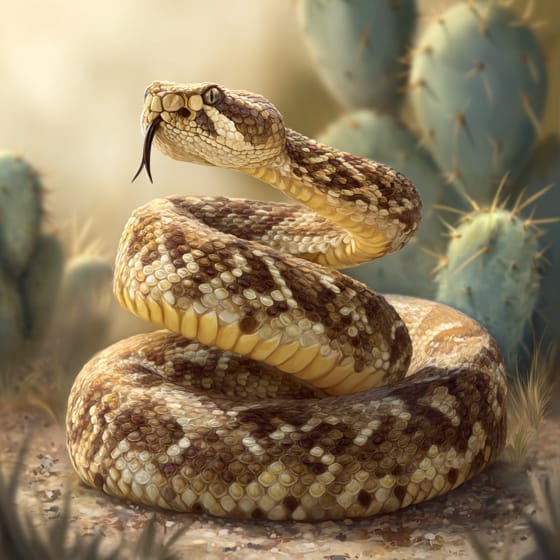
Crotalus atrox
Occasionally preys on snakes, including venomous ones.
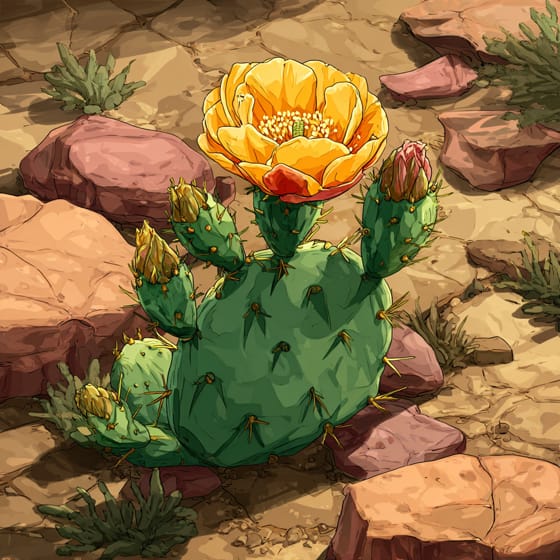
Opuntia engelmannii
Often builds nests within the protective spines of cacti.
Feathered describes animals, primarily birds, possessing a covering of feathers.
Social animals live in organized groups, cooperating for survival benefits such as foraging, defense, and raising offspring.
Aerial creatures spend a significant portion of their lives airborne, utilizing flight for various activities such as hunting, migration, or nesting.
Grassland habitats are terrestrial biomes dominated by grasses and herbaceous plants, supporting a variety of grazing animals.

This trait describes organisms that manipulate external objects to achieve a specific goal.

Desert habitats are arid regions characterized by extremely low precipitation and often extreme temperatures, supporting specialized flora and fauna.

This trait identifies organisms whose diet consists entirely or primarily of animal tissue.

Diurnal animals are primarily active during daylight hours, typically resting or sleeping at night.

Describes a species whose presence and role have a disproportionately large effect on its environment.
Danger
2/5 · Low
Always watch birds from a distance and don't try to touch them.
The easiest way to identify Harris's Hawk is to use the Snappit nature identifier app.
45-59 cm
106-120 cm
0.7-1.2 kg
10-25 years
60 km/h
These skilled hunters feast on a variety of small animals found in their desert and scrubland homes.
Desert
Zoom in to split clusters and explore where this object has been snapped.
Take the discovery with you
Snap it with Snappit to identify it, learn what makes it special, and add the discovery to your collection.





.jpg&width=800)








