





Heath Speedwell
veronica officinalis
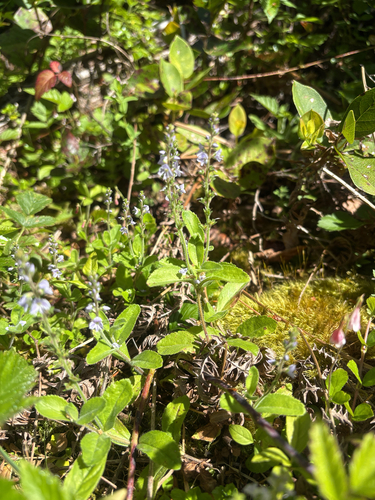
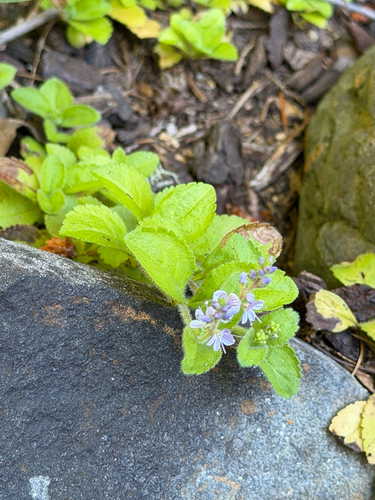
The Heath Speedwell is a pretty little flower that blooms in shades of blue and purple. These flowers are often found in grassy areas and can attract butterflies and bees!
Habitat: Heath Speedwell grows in grasslands, meadows, and open woods across Europe.
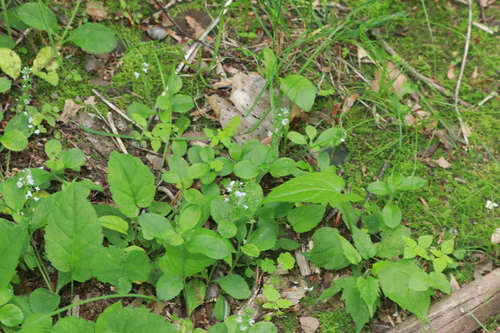
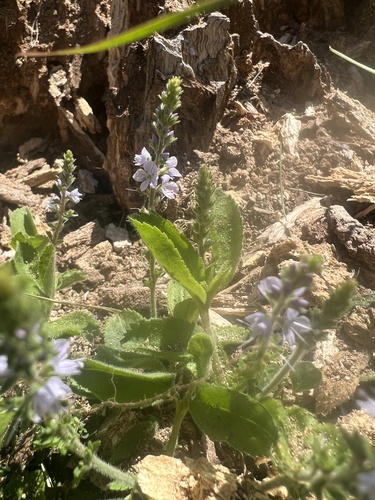
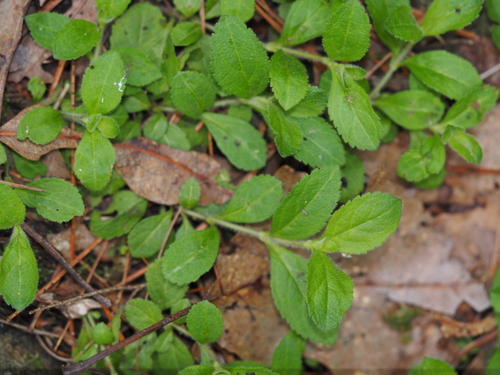
The Heath Speedwell has fuzzy, oval leaves that grow in pairs along creeping stems. Its tiny, pale blue to lilac flowers, often with darker stripes, appear in slender spikes, creating a delicate ground cover.
Category
PlantsRarity
Common
Danger
0/5 · No known danger
Snaps
32
Its creeping stems can quickly carpet a hillside in soft green.
Its old name, "Forget-Me-Not," hints at its charm!
People once brewed its leaves to make a refreshing "European tea."
The tiny flowers are so delicate, they almost look like miniature orchids.
Heath Speedwell can spread its stems along the ground, forming dense mats that help it anchor and resist being trampled.
Heath Speedwell has tiny hairs on its leaves and stems that help it capture dew and reduce water loss in dry spots.
Heath Speedwell has a strong, fibrous root system that helps it withstand poor, compacted soils and light foot traffic.
Apis mellifera
Visits for nectar and pollen.
Bombus terrestris
An important pollinator species.
Arion lusitanicus
Slugs consume its leaves.
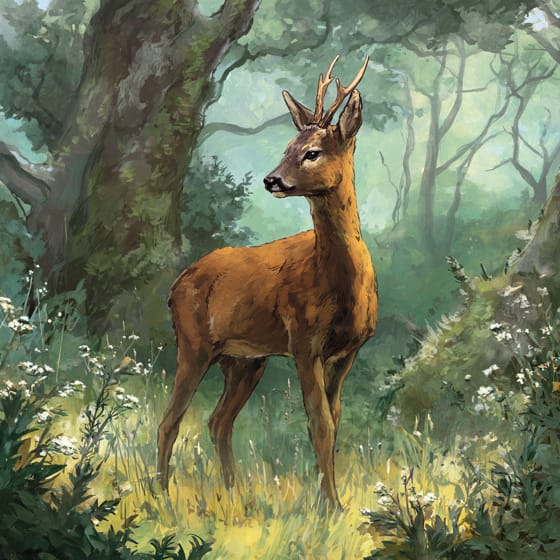
Capreolus capreolus
Deer browse on its foliage.
Colorful describes organisms or objects displaying a wide range of bright and distinct colors.
Grassland habitats are terrestrial biomes dominated by grasses and herbaceous plants, supporting a variety of grazing animals.
This trait characterizes organisms whose diet consists entirely or primarily of plant material.
Diurnal animals are primarily active during daylight hours, typically resting or sleeping at night.

Describes organisms that transfer pollen, enabling the fertilization and reproduction of plants.
Danger
0/5 · No known danger
No special safety notes yet.
The easiest way to identify Heath Speedwell is to use the Snappit nature identifier app.
10-30 cm
20-60 cm
0.5-1 cm
Summer
Yes
None
Perennial
Zoom in to split clusters and explore where this object has been snapped.
Jun 6, 2026
East Windsor Hill Historic DistrictPhoto attribution
(c) Mark Apgar, some rights reserved (CC BY)
License: CC BY 4.0 ↗
Image may be shown cropped inside the card frame.
Jun 1, 2026
High PointPhoto attribution
no rights reserved
License: CC0 1.0 ↗
Image may be shown cropped inside the card frame.
May 28, 2026
Days Ferry Historic DistrictPhoto attribution
(c) Clay Gibbons, some rights reserved (CC BY)
License: CC BY 4.0 ↗
Image may be shown cropped inside the card frame.
May 28, 2026
Capitol State ForestPhoto attribution
(c) Lindsey Salmonson, some rights reserved (CC BY)
License: CC BY 4.0 ↗
Image may be shown cropped inside the card frame.
May 28, 2026
Cushman DamPhoto attribution
no rights reserved
License: CC0 1.0 ↗
Image may be shown cropped inside the card frame.

Rhode Island, US
You might spot Common Mugwort, Duck, and Azure Bluet.
View guide →

Pennsylvania, US
You might spot Mountain Laurel, Ghost Pipe, and Sweetfern.
View guide →

Massachusetts, US
You might spot Maidenhair Spleenwort and Red Trillium.
View guide →

Massachusetts, US
You might spot Common Eastern Bumble Bee and Eastern Skunk Cabbage.
View guide →

New Jersey, US
You might spot White-Tailed Deer and Eastern Gray Squirrel.
View guide →

Vermont, US
You might spot Eastern White Pine, Staghorn Sumac, and Box Elder.
View guide →
Take the discovery with you
Snap it with Snappit to identify it, learn what makes it special, and add the discovery to your collection.









.jpg&width=800)



_001.jpg&width=800)




