





Henderson's shooting star
Primula hendersonii
Henderson's shooting star is a beautiful flower that blooms in spring. Its unique shape and bright colors make it a special sight in nature, often found in cool, moist areas.
Habitat: Mountain regions
The Henderson's shooting star has slender, reddish stems topped with clusters of unique magenta-pink flowers. Each bloom features five petals sharply swept backward, revealing a contrasting yellow and white tube. Its leaves form a crinkled, green basal rosette.
Category
PlantsRarity
Rare
Danger
1/5 · Very low
Snaps
1
Early spring is the best time to spot its vibrant pink and purple blossoms!
Its petals sweep backward, making it look like a shooting star soaring upwards!
Sometimes, scientists call this beautiful plant by its old name, Dodecatheon!
This wildflower loves cool, moist forests and meadows in western North America!
Henderson's shooting star can bloom very early in spring to grab sunlight before taller trees leaf out.
It has petals swept back to guide insect pollinators to the nectar, encouraging efficient visits!
Its dry seed capsules can burst open, flinging tiny seeds away to grow new shooting star plants!
Bombus vosnesenskii
Bumblebees are key visitors to its upside-down flowers.

Osmia lignaria
Native orchard bees collect pollen and nectar from the blooms.
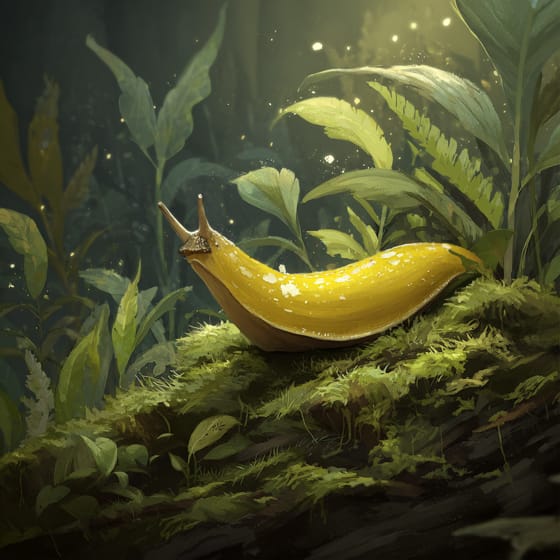
Ariolimax columbianus
Slugs might munch on its leaves, especially when young.
Flowering plants are any plants that produce flowers as part of their reproductive cycle.
Spring blooming plants produce their flowers during the spring season, often signifying the end of winter and the start of new growth.
Fragrant flowers emit a pleasant aroma, often to attract pollinators or for defense.
Colorful describes organisms or objects displaying a wide range of bright and distinct colors.

Describes plants that are particularly attractive and beneficial to a wide range of pollinating organisms.

This habitat trait identifies species found in mountainous regions, characterized by high elevation, steep slopes, and varying climate zones.

Endangered status indicates a species is at a very high risk of extinction in the wild in the near future.
No aliases listed yet.
Danger
1/5 · Very low
Always look at flowers but don't pick them, so they can keep growing for everyone to enjoy.
The easiest way to identify Henderson's shooting star is to use the Snappit nature identifier app.
10-40 cm
15-30 cm
1-2 cm
Spring
No
Mild
Perennial
Zoom in to split clusters and explore where this object has been snapped.

California, US
You might spot Great Blue Heron, Western Gull, and Coyote.
View guide →

British Columbia, CA
You might spot Broad-Leaved Stonecrop, Harbor Seal, and Ochre Sea Star.
View guide →

Washington, US
You might spot Oregon Oak, Pacific Madrone, and Fairy-Slipper.
View guide →

British Columbia, CA
You might spot Broad-Leaved Stonecrop, Western Skunk Cabbage, and Salal.
View guide →

British Columbia, CA
You might spot Western Sword Fern, Cascade Oregon-Grape, and Ocean Spray.
View guide →

British Columbia, CA
You might spot Pacific Madrone, Brown-Lined Looper, and Salal.
View guide →
Take the discovery with you
Snap it with Snappit to identify it, learn what makes it special, and add the discovery to your collection.









.jpg&width=800)


_001.jpg&width=800)




