





Inca Dove
Columbina inca
The Inca Dove is a small, gentle bird with a beautiful, soft gray-brown color. They love to hang out in gardens and parks, where they often walk around looking for seeds to eat.
Habitat: Urban areas
The Inca Dove is a small, slender dove with a proportionally long tail. It has brownish-gray plumage with a distinct scaly appearance created by dark feather edges. The underside of its tail feathers flashes a rich rusty-red when in flight, a key identifying feature.
Category
BirdsRarity
Common
Danger
1/5 · Very low
Snaps
4
An Inca Dove can survive a chilly night by huddling together with other doves in a 'pyramid'!
Inca Doves make a soft 'coo-coo' sound, often mistaken for a distant owl!
These tiny birds often walk or run on the ground in groups, rather than flying everywhere!
They build such flimsy nests, sometimes you can see the eggs right through the bottom!
Inca Doves have specially adapted feathers that can be fluffed up to release body heat, helping them stay cool in scorching desert sun.
Inca Doves' unique scaly feather pattern provides excellent camouflage, helping them blend seamlessly with dry, sandy ground.
Inca Doves can drink brackish water, which allows them to survive in arid regions where fresh water sources are scarce.
Tiny seeds, grains, and some insects make up this dove's meal plan, especially on the ground.
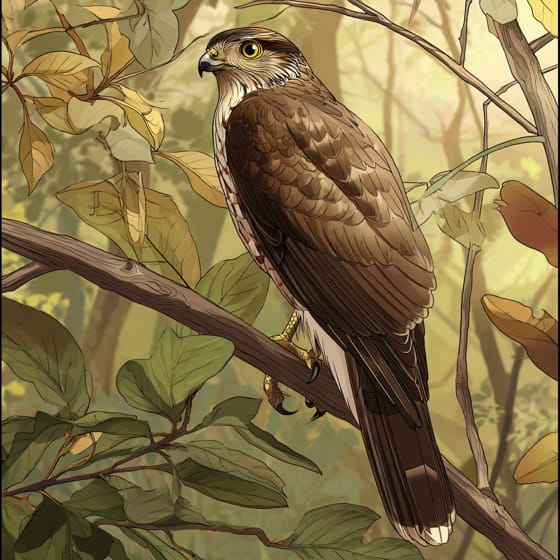
Accipiter cooperii
A common predator of small birds in both urban and natural areas.
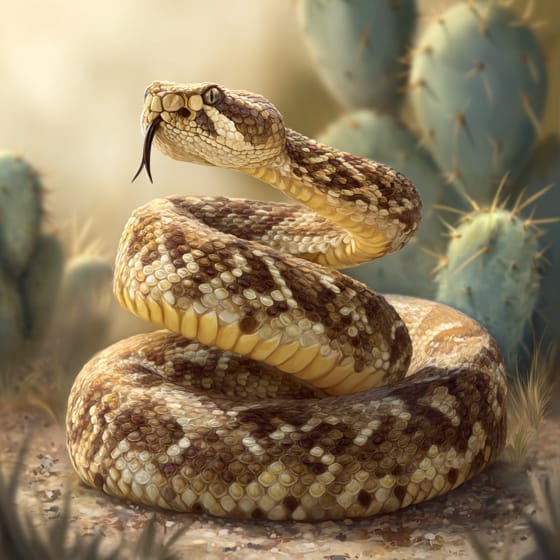
Crotalus atrox
Snakes are known to prey on ground-dwelling birds and their nests.

Prosopis glandulosa
Relies on its beans for food and uses the thorny trees for nesting sites.
Feathered describes animals, primarily birds, possessing a covering of feathers.
Social animals live in organized groups, cooperating for survival benefits such as foraging, defense, and raising offspring.
Singing animals produce complex vocalizations, often for purposes of attracting mates, defending territory, or communicating within their species.
This trait characterizes organisms whose diet consists entirely or primarily of plant material.

Diurnal animals are primarily active during daylight hours, typically resting or sleeping at night.

This habitat trait indicates species that can coexist with humans in urban and suburban environments, utilizing man-made structures and green spaces.
No aliases listed yet.
Danger
1/5 · Very low
Always watch birds from a distance and don't try to touch them.
The easiest way to identify Inca Dove is to use the Snappit nature identifier app.
16.5-18 cm
28-30 cm
0.03-0.058 kg
4-7 years
55 km/h
Tiny seeds, grains, and some insects make up this dove's meal plan, especially on the ground.
Urban areas
Zoom in to split clusters and explore where this object has been snapped.

Alabama, US
You might spot Anole, Eastern Box Turtle, and Resurrection Fern.
View guide →

New Mexico, US
You might spot White-Winged Dove and Silverleaf Nightshade.
View guide →

Arizona, US
You might spot Stinknet, Eurasian Collared-Dove, and Phoenix Talussnail.
View guide →

New Mexico, US
You might spot White-Winged Dove and Creosote Bush.
View guide →
Take the discovery with you
Snap it with Snappit to identify it, learn what makes it special, and add the discovery to your collection.




.jpg&width=800)








