





Indian Rhinoceros
Rhinoceros unicornis
The Indian Rhinoceros is a large, herbivorous mammal with tough, armor-like skin and a single horn on its snout. They love to wallow in mud to keep cool and protect their skin.
Habitat: Grasslands
The Indian Rhinoceros has thick, grey-brown skin that appears to be folded into armor-like plates across its body. It features a single, prominent black horn on its snout and a massive, stocky build. Its short, powerful legs support its immense weight.
Category
MammalsRarity
Rare
Danger
3/5 · Moderate
Snaps
Be the first to snap!
Baby rhinos are called calves and stay with their mothers for years, learning survival skills.
Despite their huge size, these rhinos are surprisingly quiet, moving silently through dense grasslands.
Indian rhinos are called 'unicornis' because of their single, majestic horn, like real-life unicorns!
They have poor eyesight but amazing smell and hearing to find food and stay safe!
Indian Rhinoceros has a unique prehensile upper lip that helps them precisely grasp leaves, grasses, and twigs for eating.
Indian Rhinoceros can swim exceptionally well because of their powerful build, allowing them to cool off and escape danger in water.
Indian Rhinoceros has extremely thick, folded skin that helps them protect against thorns, insect bites, and scrapes in dense habitats.
These gentle giants are herbivores, munching on a variety of plants found near water.
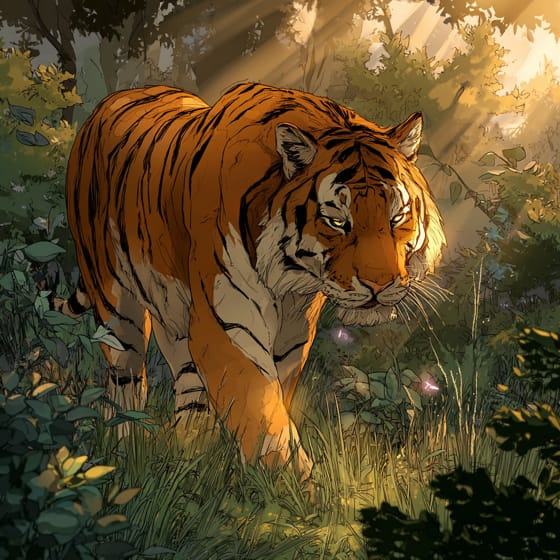
Panthera tigris
Tigers are natural predators, especially of young rhino calves.
Saccharum spontaneum
Rhinos primarily graze on this tall grass, a key part of their diet.
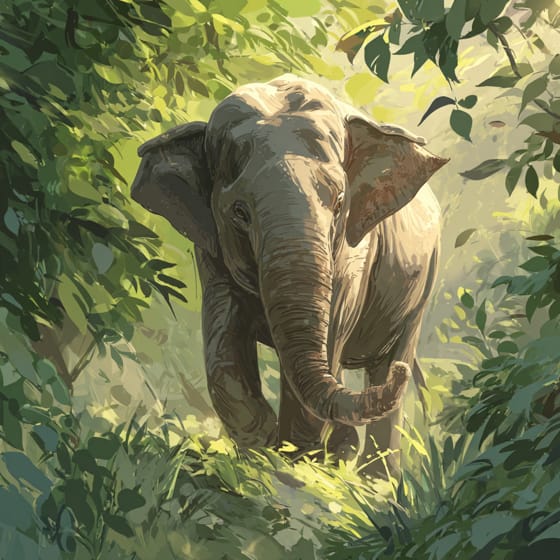
Elephas maximus
They share the same wetland and grassland ecosystems and resources.
Furry describes animals possessing a dense covering of soft hair or fur.
Solitary animals live alone for most of their lives, only interacting with others for mating or parental care.
Characterized by having one or more hard, permanent, pointed projections on the head.
Grassland habitats are terrestrial biomes dominated by grasses and herbaceous plants, supporting a variety of grazing animals.

This trait characterizes organisms whose diet consists entirely or primarily of plant material.
Thermoregulating organisms maintain a stable internal body temperature despite fluctuations in the external environment.

This trait signifies organisms belonging to a very old evolutionary group with ancestors dating back millions of years.

Armored describes animals protected by a hard, external covering or shell for defense.
Danger
3/5 · Moderate
Always observe from a safe distance and never approach a wild rhinoceros.
The easiest way to identify Indian Rhinoceros is to use the Snappit nature identifier app.
310-380 cm
1800-2500 kg
35-45 years
55 km/h
These gentle giants are herbivores, munching on a variety of plants found near water.
Grasslands
Foraging
Zoom in to split clusters and explore where this object has been snapped.
Recent snaps will appear here as new observations are added.
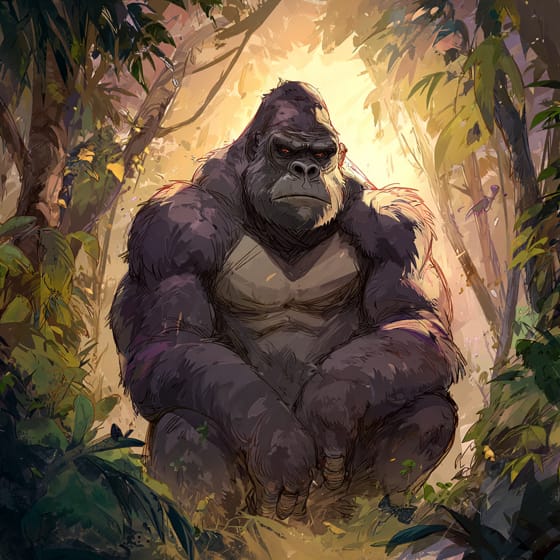
New York, US
You might spot Gorilla, Tiger, and Snow Leopard.
View guide →
Texas, US
You might spot African Lion, Giraffes, and Meerkat.
View guide →
.jpg)
Municipal District of Cobh, IE
You might spot Ring-Tailed Lemur, Giraffes, and Cheetahs.
View guide →

Indiana, US
You might spot Panthera Pardus Orientalis and Reticulated Giraffe.
View guide →

Washington, US
You might spot African Lion, Giraffes, and Gorilla.
View guide →

South Holland, NL
You might spot Polar Bear, Gorilla, and Asiatic Lion.
View guide →
Take the discovery with you
Snap it with Snappit to identify it, learn what makes it special, and add the discovery to your collection.




.jpg&width=800)




.JPG&width=800)

.jpg&width=800)
