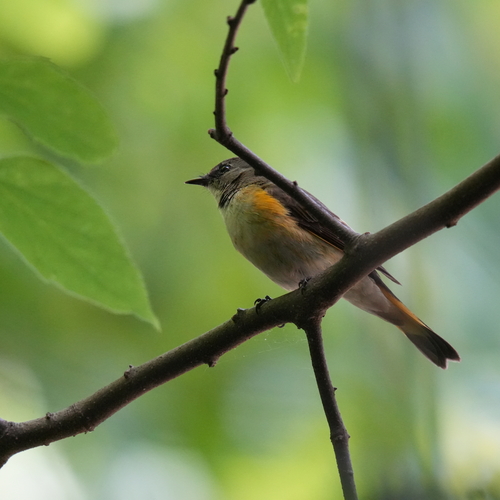
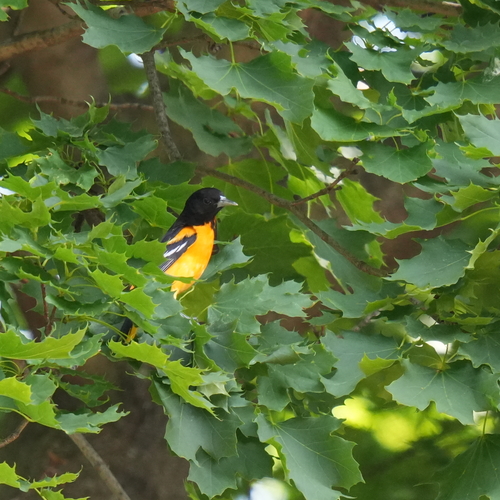
American Robin

The Albemarle-Kenmore Terraces Historic District offers a journey into early 20th-century urban design.
The Albemarle-Kenmore Terraces Historic District offers a journey into early 20th-century urban design.
This charming Brooklyn enclave, designated a historic district in 1978, comprises two quiet cul-de-sacs, Albemarle Terrace and Kenmore Terrace, featuring 32 meticulously preserved homes built between 1916 and 1920. Designed by the renowned firm Slee & Bryson, the district is celebrated for its cohesive collection of Colonial Revival and English Arts & Crafts architecture, producing a harmonious and picturesque effect unlike any other in New York City. It's a tranquil retreat that transports visitors to a bygone era of architectural elegance and thoughtful community planning, providing a serene escape from the bustling city streets.
The district showcases two distinct yet complementary architectural styles. Albemarle Terrace is lined with exquisite Colonial Revival houses, often praised as some of the finest Neo-Federal residential architecture in the city, characterized by red brick laid in Flemish bond, six-over-six windows, pedimented dormers, and arched doorways with leaded glass fan lights and sidelights. Kenmore Terrace, on the other hand, features homes influenced by the English Arts & Crafts style and the Garden City movement, notable for their picturesque design and some of the earliest purpose-built car garages in America. The streets are further enhanced by a generous canopy of mature Pin Oak trees and a unique streetscaping approach where trees are planted in gardens rather than on the curb, creating an illusion of wider avenues and a greater sense of space.
Visiting the Albemarle-Kenmore Terraces Historic District is an opportunity to immerse yourself in architectural history and experience the charm of a beautifully preserved early 20th-century residential community. The harmonious blend of architectural styles, the tranquil atmosphere, and the distinctive urban planning make it a unique destination for those seeking beauty, history, and a quiet respite in the heart of Brooklyn. It’s a testament to the vision of its original designers and offers a glimpse into the evolution of American residential architecture and urban living. Turn your visit into a safari! Use the Snappit app to scan and log wildlife sightings here.
The Albemarle-Kenmore Terraces Historic District was developed between 1916 and 1920 by Brooklyn architects Slee & Bryson. The firm was inspired by the 1876 Centennial Celebration in Philadelphia, which led them to design homes on Albemarle Terrace that paid homage to America's early days with their Colonial Revival and Neo-Federal styles. Two years later, construction began on Kenmore Terrace, where some houses continued the Colonial Revival style, while others adopted the English Arts & Crafts style, reflecting the influence of the Garden City movement and the rising popularity of the automobile, with integrated garages. The district was officially designated a New York City Landmark on July 11, 1978, by the New York City Landmarks Preservation Commission, recognizing its special character, historical, and aesthetic value. The Commission noted the "uniform use of materials, height and color producing a harmonious effect" within the terraces. This designation ensures the preservation of this unique architectural and urban planning heritage.
Take a self-guided walking tour to observe the architectural details of the homes, the planned landscaping, and the quiet residential atmosphere. The district is ideal for photography, capturing the unique blend of historical styles.
Spring: Blooming gardens and trees add extra beauty to the streetscape.
Summer: The tree canopy provides shade, making for comfortable walks.
Fall: Autumn foliage can be particularly scenic against the brick architecture.
Winter: The quiet streets, possibly with a dusting of snow, offer a different, serene perspective.
As a residential historic district, the area consists of public sidewalks and streets, making it generally accessible for walking. However, access to the private residences themselves and their gardens is typically not permitted, except during special events like the Victorian Flatbush Tour. There are no specific accessibility features provided by the district itself beyond standard city sidewalks.
Admire the consistent use of red brick, Flemish bond patterns, pedimented dormers, and arched doorways.
Observe the distinctive designs and the innovative integration of early car garages.
The mature Pin Oak trees create a beautiful, shaded streetscape, particularly along Albemarle Terrace.
Note how trees are planted within front gardens, contributing to a sense of wider streets.
Each card links to a full Explore page with photos, traits, and fun facts.
Start with the big picture, then zoom in to explore individual wildlife observations around this place.
Wear comfortable shoes, as exploring the district involves walking along sidewalks and streets.
Bring a camera to capture the intricate architectural details and the picturesque streetscapes.
Respect the privacy of residents; remember these are private homes, so avoid trespassing or disturbing the quiet atmosphere.
Combine your visit with other nearby Brooklyn landmarks such as the Flatbush Reformed Dutch Church or Prospect Park.
Look for the subtle differences in architectural details between Albemarle Terrace and Kenmore Terrace, particularly the presence of integrated garages on the latter.
May 31, 2026
Photo attribution
(c) foxsu, some rights reserved (CC BY)
License: CC BY 4.0 ↗
Image may be shown cropped inside the card frame.
May 31, 2026
Photo attribution
(c) foxsu, some rights reserved (CC BY)
License: CC BY 4.0 ↗
Image may be shown cropped inside the card frame.
May 31, 2026
Photo attribution
(c) foxsu, some rights reserved (CC BY)
License: CC BY 4.0 ↗
Image may be shown cropped inside the card frame.
May 31, 2026
Photo attribution
(c) foxsu, some rights reserved (CC BY)
License: CC BY 4.0 ↗
Image may be shown cropped inside the card frame.
May 31, 2026
Photo attribution
(c) foxsu, some rights reserved (CC BY)
License: CC BY 4.0 ↗
Image may be shown cropped inside the card frame.

Maryland, US
You might spot White-Tailed Deer and Eastern Gray Squirrel.
View guide →
.jpg)
District of Columbia, US
You might spot Eastern Gray Squirrel, Duck, and House Sparrow.
View guide →

Illinois, US
You might spot American Robin, Canada Goose, and House Sparrow.
View guide →

Virginia, US
You might spot Spotted Lanternfly and Northern Cardinal.
View guide →
Take the discovery with you
Identify the wildlife you spot, learn as you go, and keep a collection of the adventure.