.jpg&width=800)





Jamaican caper
Quadrella cynophallophora
The Jamaican caper is a fun plant with bright green leaves and pretty flowers. It loves warm places and can often be found near the coast in Jamaica.
Habitat: Coastal areas
The Jamaican caper is a striking shrub or small tree, featuring silvery-green leaves and clusters of unique flowers. These blooms open white at dusk, revealing long, prominent stamens, then gradually turn soft pink or purple by morning, making them quite distinct.
Category
PlantsRarity
Common
Danger
1/5 · Very low
Snaps
1
Butterflies and moths love its fragrant flowers, especially at night!
Its long seed pods split open to reveal bright orange seeds, looking like beads!
The flowers open white at dusk and turn pink or purple by morning!
This tough plant can grow right on sandy beaches, even with salt spray!
Jamaican caper has flowers that open at dusk and change color, attracting moths and other nocturnal pollinators for reproduction.
Jamaican caper can tolerate salty coastal conditions, allowing it to thrive where many other plants cannot survive.
Jamaican caper has tough, leathery leaves that help it conserve water, allowing it to survive long dry periods.
Hyles lineata
A major nocturnal pollinator with a long proboscis.
Papilio cresphontes
Visits flowers during the day for nectar.
_female_underside.jpg&width=800)
Phoebis sennae
Larvae feed on the leaves as a host plant.
Homo sapiens
Edible fruit pulp and pickled flower buds.
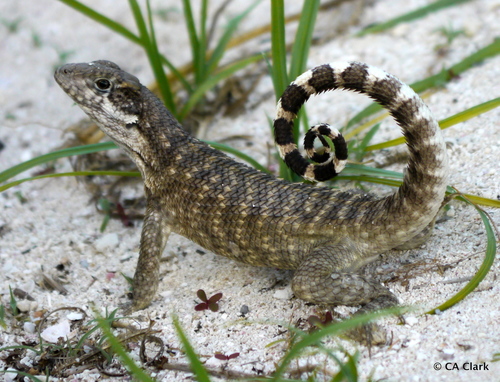
Anolis sagrei
Often uses its dense foliage for cover and hunting.
Ornamental plants are cultivated primarily for their aesthetic appeal, enhancing landscapes and gardens with their attractive foliage, flowers, or form.
A shrub is a woody plant smaller than a tree, typically with multiple stems branching from or near the ground.
Evergreen plants retain their foliage throughout the year, never shedding all their leaves at once.
Fragrant flowers emit a pleasant aroma, often to attract pollinators or for defense.

Colorful describes organisms or objects displaying a wide range of bright and distinct colors.

Edible plants are those parts of a plant that are considered safe for human consumption.

Describes plants that are particularly attractive and beneficial to a wide range of pollinating organisms.

Coastal habitats are dynamic environments located along the interface between land and sea, influenced by tides, waves, and saltwater.
No aliases listed yet.
Danger
1/5 · Very low
Always look but don't touch plants unless you know they are safe.
The easiest way to identify Jamaican caper is to use the Snappit nature identifier app.
300-800 cm
200-500 cm
2-3 cm
Year-round in warm climates, peaking late spring to fall
Yes
None
Perennial
Zoom in to split clusters and explore where this object has been snapped.
Take the discovery with you
Snap it with Snappit to identify it, learn what makes it special, and add the discovery to your collection.










.jpg&width=800)


_001.jpg&width=800)


