





Knight Anole
Anolis equestris
The Knight Anole is a colorful lizard that can change its color to blend in with its surroundings. It has a long body and a big, friendly smile, making it a fun creature to spot in the wild!
Habitat: Forests
The Knight Anole is a large, robust lizard, primarily bright emerald green, often adorned with a yellow or white stripe below its eye or on its shoulder. It possesses a distinctive helmet-like casque on its head and can shift its color to mottled brown or grey for camouflage.
Category
ReptilesRarity
Common
Danger
1/5 · Very low
Snaps
7
If a predator grabs its tail, the Knight Anole can drop it and escape!
Knight Anoles can move their eyes independently, looking forward and backward at the same time!
These lizards are the largest anole species found in their native Cuba!
When threatened, they sometimes inflate their body to look much bigger and scarier!
Knight Anole can rapidly change its skin color from green to brown because of specialized cells that helps them blend perfectly with surroundings.
Knight Anole has a large, extendable dewlap (throat fan) that helps them display dominance or attract mates with vibrant flashes of color.
Knight Anole can cling strongly to branches and leaves because of specialized lamellae on its toe pads that helps them climb with agility.
Knight Anoles are opportunistic hunters, eating a variety of insects and smaller creatures.
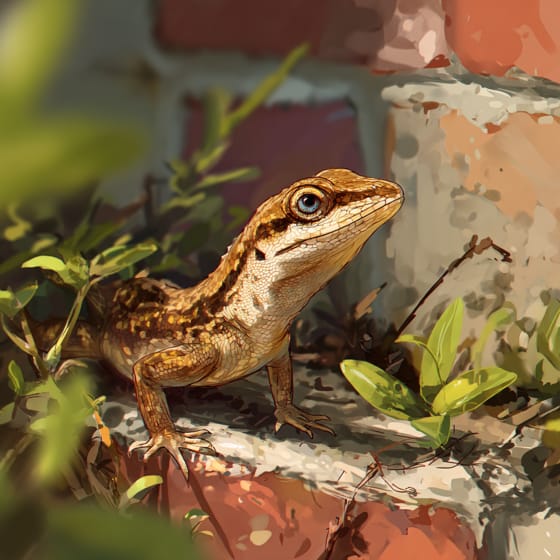
Anolis sagrei
A smaller anole species often preyed upon by the larger Knight Anole.
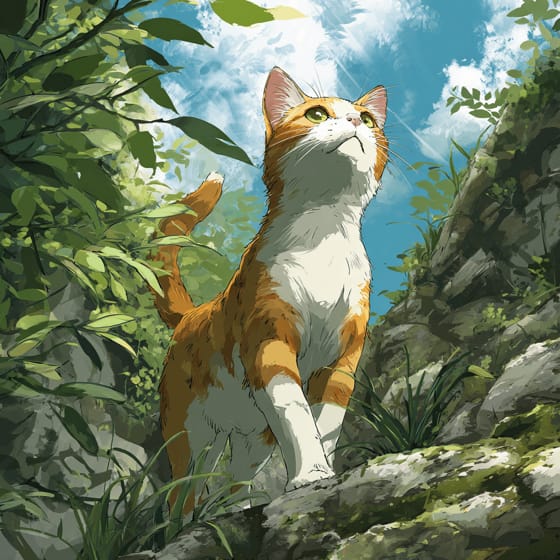
Felis catus
Common pet and invasive predator in many of the anole's habitats.

Periplaneta americana
A large, common insect providing a good food source for the anole.
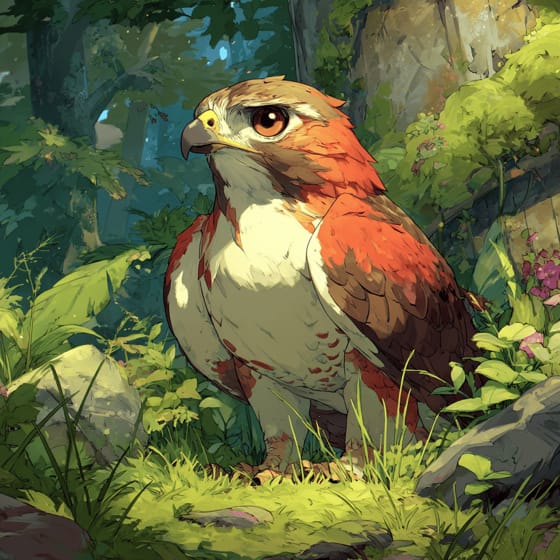
Buteo jamaicensis
Large raptor that preys on lizards and other small vertebrates.
Arboreal animals live primarily in trees, utilizing them for shelter, food, and protection from predators.
Camouflaged describes organisms that possess coloring or patterns that allow them to blend into their environment.
Colorful describes organisms or objects displaying a wide range of bright and distinct colors.
This trait identifies organisms whose diet primarily consists of insects and other small invertebrates.

Forest habitats are terrestrial environments dominated by dense tree cover, supporting a high diversity of plant and animal life.

Diurnal animals are primarily active during daylight hours, typically resting or sleeping at night.
Danger
1/5 · Very low
Always watch lizards from a distance and don't try to catch them.
The easiest way to identify Knight Anole is to use the Snappit nature identifier app.
20-51 cm
0.05-0.25 kg
3-8 years
15 km/h
Knight Anoles are opportunistic hunters, eating a variety of insects and smaller creatures.
Forests
Ambush
Zoom in to split clusters and explore where this object has been snapped.

Florida, US
You might spot Crested Anole, Brown Anole, and Peters's Rock Agama.
View guide →

Florida, US
You might spot Green Iguana, Brown Basilisk, and Great Blue Heron.
View guide →

US
You might spot Great Barracuda, Gray Snapper, and Red Mangrove.
View guide →

Florida, US
You might spot Green Iguana, Brown Basilisk, and Great Blue Heron.
View guide →

Florida, US
You might spot Brown Anole, Brown Pelican, and Eastern Lubber Grasshopper.
View guide →

Florida, US
You might spot Brown Anole, White Ibis, and Brown Pelican.
View guide →
Take the discovery with you
Snap it with Snappit to identify it, learn what makes it special, and add the discovery to your collection.











