





Least Sandpiper
Calidris minutilla
The Least Sandpiper is a small, cute bird that loves to run along the shore. It has tiny legs and a brownish body, making it great at hiding in the sand while searching for food.
Habitat: Coastal areas
The Least Sandpiper is North America's smallest shorebird, featuring streaky brownish-gray upperparts, a whitish belly, and distinctive yellowish-green legs. Its small size and leg color make it stand out from similar sandpipers.
Category
BirdsRarity
Common
Danger
1/5 · Very low
Snaps
14
Despite being tiny, they lay surprisingly large eggs compared to their body size!
Sometimes the dad sandpiper takes care of all the eggs and chicks by himself!
They can walk so quickly across mudflats that they look like little wind-up toys!
They don't just visit the beach; they also raise their babies far up in the Arctic!
Least Sandpiper can probe mud with its sensitive bill because it helps them find tiny hidden worms and insects.
Least Sandpiper has incredible stamina that helps them fly thousands of kilometers during long migration journeys.
Least Sandpiper has streaky brown feathers that helps them blend perfectly with muddy or grassy shores to hide from predators.
Feeds on tiny invertebrates like insects and worms found in mud and shallow water.
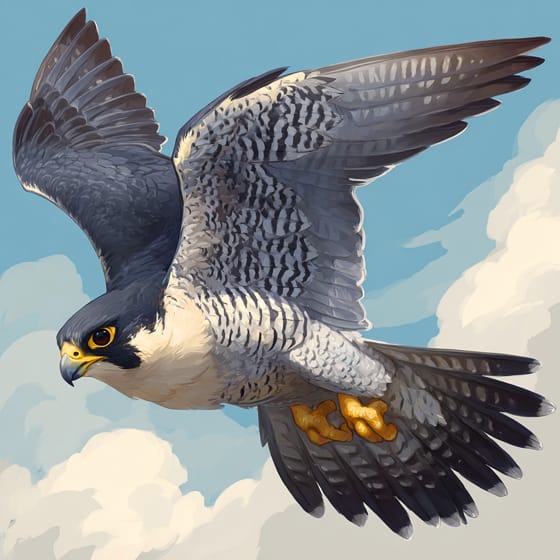
Falco peregrinus
A swift predator that hunts many shorebirds.
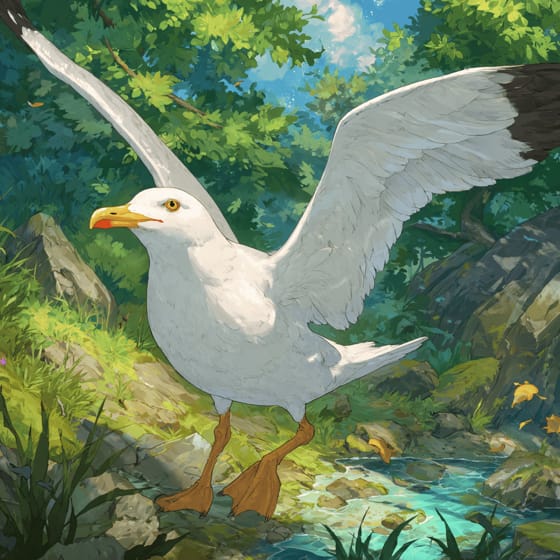
Larus argentatus
Adults and chicks can be prey for larger gulls.
Chironomus plumosus
Feeds on aquatic insect larvae found in mud.
Nereis virens
Probes mud to find and consume various marine worms.
Feathered describes animals, primarily birds, possessing a covering of feathers.
This trait identifies organisms whose diet primarily consists of insects and other small invertebrates.
Coastal habitats are dynamic environments located along the interface between land and sea, influenced by tides, waves, and saltwater.
Diurnal animals are primarily active during daylight hours, typically resting or sleeping at night.

This trait identifies organisms that exhibit exceptional swiftness in movement for hunting, escape, or travel.

Migratory animals undertake seasonal movements from one region to another, typically in response to changes in climate or food availability.
No aliases listed yet.
Danger
1/5 · Very low
Always watch birds from a distance and don't try to catch them.
The easiest way to identify Least Sandpiper is to use the Snappit nature identifier app.
13-15 cm
28-31 cm
0.019-0.03 kg
3-5 years
60 km/h
Feeds on tiny invertebrates like insects and worms found in mud and shallow water.
Coastal areas
Zoom in to split clusters and explore where this object has been snapped.

California, US
You might spot American Avocet, Great Egret, and Snowy Egret.
View guide →

Tennessee, US
You might spot Pond Slider, White-Tailed Deer, and Great Blue Heron.
View guide →
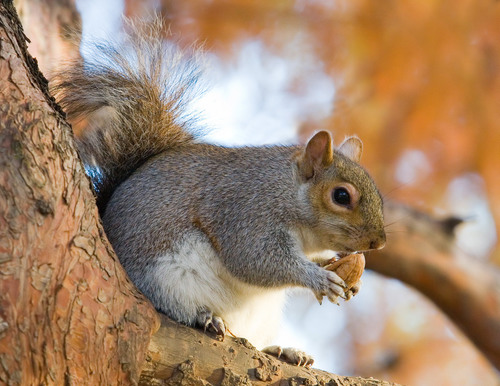
Illinois, US
You might spot Eastern Gray Squirrel, American Robin, and Duck.
View guide →
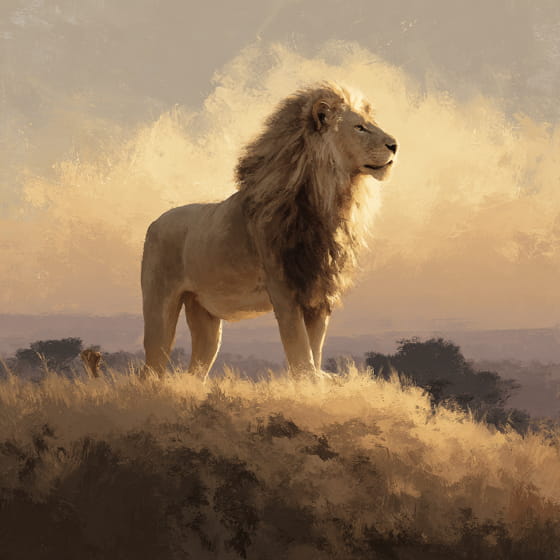
Nevada, US
You might spot African Lion, Tiger, and Zebra.
View guide →

Texas, US
You might spot Bottlenose Dolphin and Sea Turtle.
View guide →

Louisiana, US
You might spot Pectoral Sandpiper, Sprague's Pipit, and Anole.
View guide →
Take the discovery with you
Snap it with Snappit to identify it, learn what makes it special, and add the discovery to your collection.




.jpg&width=800)








