





Lorquin's Admiral
Limenitis lorquini
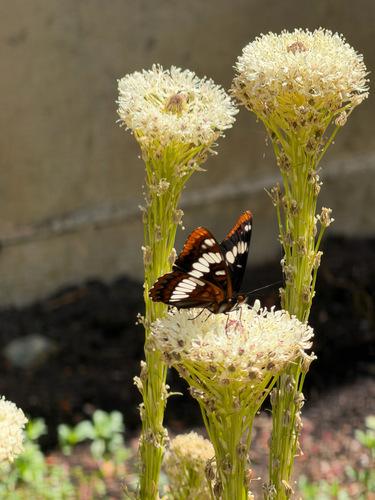
Lorquin's Admiral is a beautiful butterfly with striking black and orange wings. They flutter around in gardens and forests, adding color to nature's canvas.
Habitat: Forests
The Lorquin's Admiral has deep brown to black wings featuring a prominent creamy-white band across the middle of both forewings and hindwings. Its forewing tips display patches of warm orange-brown, making it distinct from similar dark butterflies with white bands.
Category
InsectsRarity
Common
Danger
1/5 · Very low
Snaps
22
Adult Lorquin's Admirals don't eat solid food, they sip liquids with a straw-like tongue!
Lorquin's Admiral is named after Pierre Lorquin, a French naturalist who explored California.
They can sometimes be seen 'puddling' – gathering to drink minerals from damp soil.
This butterfly's caterpillar looks exactly like bird poop to fool hungry predators!
Lorquin's Admiral can glide effortlessly on air currents because of its broad wings, which helps them save energy while flying long distances.
Lorquin's Admiral has the ability to overwinter as a small caterpillar because they halt development until spring, which helps them survive cold temperatures.
Lorquin's Admiral can taste with its feet because of special sensors, which helps them find the best nectar flowers or host plants for their eggs.
Caterpillars munch on leaves, while adults sip nectar, tree sap, and juices from ripe fruits.
Age differences: Larvae feed on leaves, while adults exclusively consume liquids like nectar, sap, and fruit juices.
Salix exigua
Larvae feed on its leaves for growth and development.
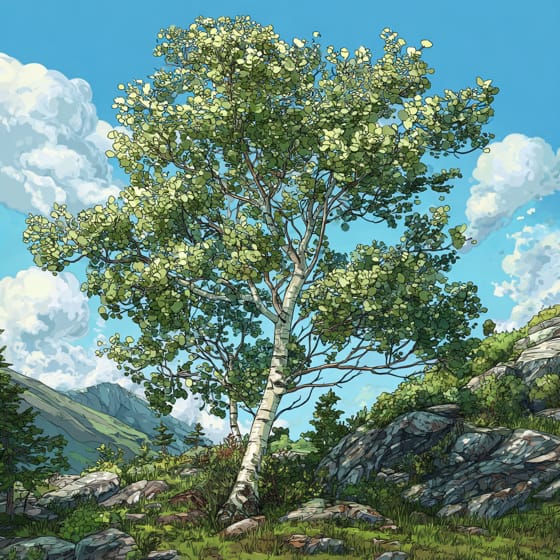
Populus tremuloides
A crucial host plant for the caterpillars of this butterfly.

Cyanocitta stelleri
This bird preys on both the caterpillars and adult butterflies.
Misumena vatia
Ambushes adults visiting flowers, a common predator.
Symphoricarpos albus
Adults visit its flowers for nectar, aiding in pollination.
Solitary animals live alone for most of their lives, only interacting with others for mating or parental care.
Camouflaged describes organisms that possess coloring or patterns that allow them to blend into their environment.
Colorful describes organisms or objects displaying a wide range of bright and distinct colors.
This trait characterizes organisms whose diet consists entirely or primarily of plant material.

Describes plants that are particularly attractive and beneficial to a wide range of pollinating organisms.

Forest habitats are terrestrial environments dominated by dense tree cover, supporting a high diversity of plant and animal life.

Diurnal animals are primarily active during daylight hours, typically resting or sleeping at night.

Describes organisms that transfer pollen, enabling the fertilization and reproduction of plants.
No aliases listed yet.
Danger
1/5 · Very low
Always watch butterflies from a distance so they feel safe and happy.
The easiest way to identify Lorquin's Admiral is to use the Snappit nature identifier app.
55-70 mm
20-30 mm
7-21 days
15-25 km/h
Caterpillars munch on leaves, while adults sip nectar, tree sap, and juices from ripe fruits.
Forests
Foraging
Zoom in to split clusters and explore where this object has been snapped.
Jun 10, 2026
Lower Cushman DamPhoto attribution
no rights reserved
License: CC0 1.0 ↗
Image may be shown cropped inside the card frame.

California, US
You might spot White Globe Lily, Rose Campion, and Pipevine Swallowtail.
View guide →

Oregon, US
You might spot Oregon Oak, Pacific Poison Oak, and American Bullfrog.
View guide →
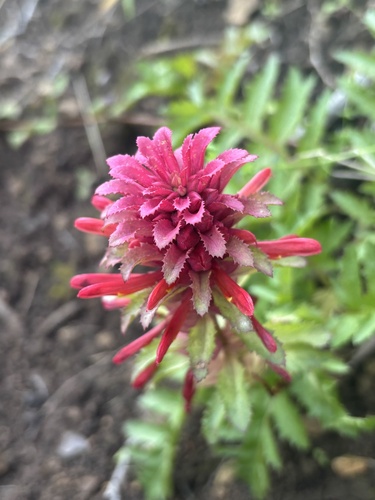
California, US
You might spot Warrior's Plume, Western Leatherwood, and White Globe Lily.
View guide →

Washington, US
You might spot Barrow's Goldeneye and Pacific Banana Slug.
View guide →

Oregon, US
You might spot Blue Mountain Prairie Clover and Munro's Globemallow.
View guide →

Washington, US
You might spot Cascade Oregon-Grape, Douglas Fir, and Salal.
View guide →
Take the discovery with you
Snap it with Snappit to identify it, learn what makes it special, and add the discovery to your collection.







.jpg&width=800)


