





low pricklypear
Opuntia humifusa
The low pricklypear is a fun cactus that grows close to the ground. It has flat pads and bright yellow flowers that turn into tasty fruits called prickly pears!
Habitat: Desert
The low pricklypear has flat, oval-shaped green pads covered in tiny barbed bristles and longer spines. It grows close to the ground, spreading outwards. Its bright yellow or sometimes reddish flowers pop up in late spring.
Category
PlantsRarity
Common
Danger
2/5 · Low
Snaps
11
Indigenous people sometimes used pricklypear pads to mark trails across the land!
Its juicy fruits, called tunas, are a favorite sweet treat for many desert animals!
Many small creatures like insects and lizards find shelter from the sun under its pads!
This amazing cactus can survive freezing winter temperatures by shriveling its pads!
Low pricklypear has thick, fleshy pads that can store lots of water, helping it survive long droughts.
Low pricklypear has sharp spines and tiny, irritating glochids to protect its pads from hungry animals.
Low pricklypear can grow roots from fallen pieces of its pads, allowing new plants to sprout easily.
Apis mellifera
visits bright flowers for nectar.
.JPG&width=800)
Sylvilagus floridanus
nibbles on its pads and fruits.

Odocoileus virginianus
browses on its tender young pads.
Didelphis virginiana
enjoys its sweet, red fruits.
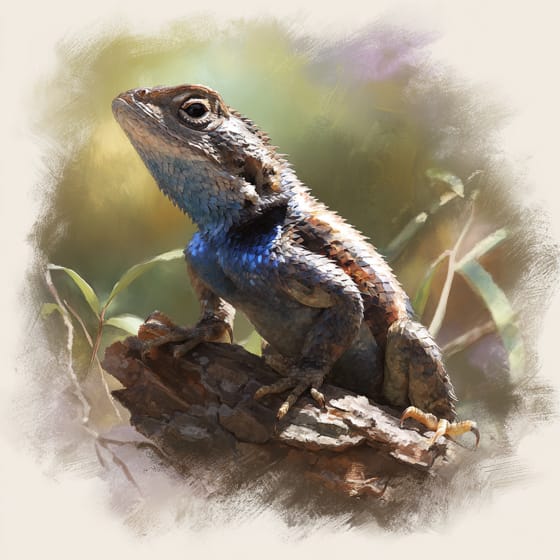
Sceloporus undulatus
hides from predators.
Flowering plants are any plants that produce flowers as part of their reproductive cycle.
Fruit-bearing plants produce fruits, which are the mature ovaries of flowering plants containing seeds.
Medicinal plants possess chemical compounds that can be used for therapeutic purposes to treat illnesses or maintain health.
Drought-tolerant plants can survive and flourish in conditions with limited water availability.

Succulent plants have thickened, fleshy parts, usually leaves or stems, adapted to store water in arid climates.

Edible plants are those parts of a plant that are considered safe for human consumption.

Describes plants that are particularly attractive and beneficial to a wide range of pollinating organisms.

Desert habitats are arid regions characterized by extremely low precipitation and often extreme temperatures, supporting specialized flora and fauna.

Possessing sharp, pointed projections or spines on the body or surface.
Danger
2/5 · Low
Be careful of the spines on the pricklypear; they can poke you!
The easiest way to identify low pricklypear is to use the Snappit nature identifier app.
5-30 cm
30-100 cm
4-6 cm
Late spring to early summer
Yes
None
Perennial
Zoom in to split clusters and explore where this object has been snapped.

New York, US
You might spot White Snakeroot, Common Mugwort, and Eastern Gray Squirrel.
View guide →

US
You might spot Common Mugwort, Common Milkweed, and White Snakeroot.
View guide →

New Jersey, US
You might spot African Elephant and White Rhinoceros.
View guide →

New Jersey, US
You might spot Purple Pitcher Plant and Pine Barren Gentian.
View guide →

New Jersey, US
You might spot Great Mullein, Banded Sunfish, and Eastern Fence Lizard.
View guide →

Maryland, US
You might spot Common Pawpaw, Crane-Fly Orchid, and Cut-Leaved Toothwort.
View guide →
Take the discovery with you
Snap it with Snappit to identify it, learn what makes it special, and add the discovery to your collection.








.jpg&width=800)



_001.jpg&width=800)



