





Dark Eyed Junco

Freetown Fall River State Forest offers a vast natural escape in southeastern Massachusetts.
Freetown Fall River State Forest offers a vast natural escape in southeastern Massachusetts. As the largest public portion of the 13,600-acre Southeastern Massachusetts Bioreserve, it is a critical ecological hub for the region, providing diverse habitats for countless species. This expansive forest invites visitors to immerse themselves in nature, whether seeking adventure or serene contemplation.
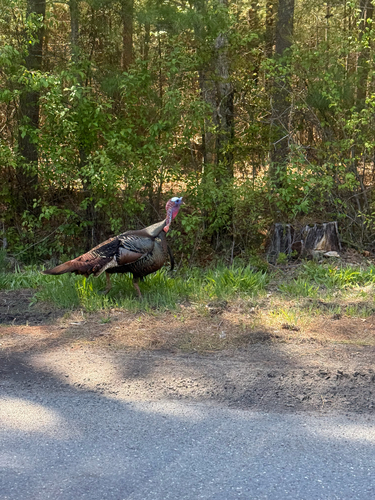
The forest boasts over 50 miles of trails winding through mixed deciduous and coniferous woodlands, wetlands, and streams. Highlights include the historically significant site of Profile Rock, a granite outcropping once believed to resemble Chief Massasoit, and Assonet Ledge, which provides rare unobstructed views of the treetops from an old granite quarry. Spring visitors can witness frogs, turtles, and salamanders come alive in the wetlands, while Rattlesnake Brook is regularly stocked with brook trout for anglers. Keep an eye out for woodland mammals like white-tailed deer, foxes, and chipmunks.
Freetown Fall River State Forest is an exceptional destination for outdoor enthusiasts and families alike. With its extensive trail system, picnic areas, and even a wading pool at the forest headquarters during summer, it offers varied opportunities for recreation and relaxation. The forest’s role as an Important Bird Area also makes it a haven for birdwatchers, providing a memorable experience for anyone looking to connect with nature. Explore the grounds like a pro—download the Snappit app to instantly identify animals and plants.
The Freetown-Fall River State Forest's origins date back to 1913 when the state first acquired land in Assonet for forest purposes. The majority of its vast acreage was accumulated over two decades, beginning in the 1930s. During this period, the Civilian Conservation Corps (CCC) played a significant role in developing the forest's infrastructure from 1935 to 1937, constructing many of the trails and facilities still in use today. Their efforts are commemorated by a statue dedicated in 2002. The forest also includes a 227-acre reservation for the Assonet Band of the Wampanoag Nation, integrating indigenous land rights within this protected area.
Hiking, mountain biking, horseback riding, fishing, dirt biking (seasonal), cross-country skiing, snowshoeing, picnicking, and wildlife viewing.
Spring: Excellent for observing frogs, turtles, and salamanders in wetlands, and for brook trout fishing.
Summer: Enjoy the wading pool and picnic areas at the headquarters.
Fall: Experience vibrant autumn foliage.
Winter: Opportunities for cross-country skiing, sledding, and snowshoeing.
Hunting: Allowed in certain areas; visitors should wear blaze orange during hunting season.
Dirt Biking: Season runs from the Monday after the first weekend in May to the last Sunday in November.
Accessible restrooms are available at the forest headquarters. Many trails are wide dirt paths, which may offer some accessibility, though visitors should check specific trail conditions.
The site of a historically significant granite outcropping.
An old granite quarry offering panoramic views of the treetops.
Over 50 miles of trails for various uses.
Features picnic tables, pavilions, and a wading pool (seasonal).
Each card links to a full Explore page with photos, traits, and fun facts.
Start with the big picture, then zoom in to explore individual wildlife observations around this place.
Bring a trail map
** With over 50 miles of trails, a map is essential for navigation.
Dress appropriately
Wear weather-appropriate clothing and sturdy footwear, especially for hiking.
Carry enough water
Drinking water may not always be available on site.
Be aware of hunting seasons
If visiting during hunting season, wear blaze orange for safety.
Plan dirt bike visits seasonally
Dirt biking is only permitted from May to November.
Consider spring for amphibian viewing
The spring season brings out frogs, turtles, and salamanders in the forest's wetlands.
May 16, 2026
Photo attribution
(c) Destynnie K. Berard, some rights reserved (CC BY)
License: CC BY 4.0 ↗
Image may be shown cropped inside the card frame.
Jun 4, 2026
May 31, 2026
May 31, 2026
May 31, 2026

Maryland, US
You might spot White-Tailed Deer and Eastern Gray Squirrel.
View guide →
.jpg)
District of Columbia, US
You might spot Eastern Gray Squirrel, Duck, and House Sparrow.
View guide →

Illinois, US
You might spot American Robin, Canada Goose, and House Sparrow.
View guide →

Virginia, US
You might spot Spotted Lanternfly and Northern Cardinal.
View guide →
Take the discovery with you
Identify the wildlife you spot, learn as you go, and keep a collection of the adventure.



















.jpg&width=800)




