




Mangrove
Belbolla mangrove
Mangroves are special trees that grow in salty water along coastlines. Their roots help protect the land from storms and provide homes for many animals.
Habitat: Coastal areas
The Mangrove has leathery, green leaves and a unique, dense root system. Some species feature arching prop roots that look like stilts, while others have pencil-like roots called pneumatophores sticking out of the mud, appearing brown or grey.
Category
PlantsRarity
Common
Danger
1/5 · Very low
Snaps
Be the first to snap!
Mangrove forests are amazing carbon 'super-storers', helping fight climate change!
Many mangrove trees give birth to live 'baby plants' that grow on the tree!
Some mangroves thrive in water 100 times saltier than most plants can tolerate!
Their tangled root systems create vital nurseries for countless marine creatures, like fish!
Mangrove has special roots called pneumatophores that stick out of the mud to breathe air in waterlogged soil.
Mangrove can use its strong, tangled root systems to trap sediment and protect coastlines from erosion and storms.
Mangrove seeds germinate on the parent tree, dropping as tiny rooted plantlets ready to grow in the soft mud.

Rhizophora mangle
Pistol shrimp burrow in mud protected by roots.

Ardea alba
Egrets build nests high in strong mangrove branches.

Crassostrea virginica
Oysters attach firmly to submerged mangrove roots.
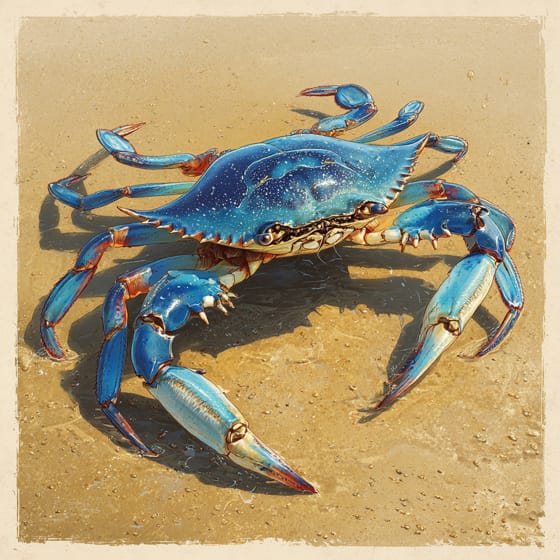
Callinectes sapidus
Young blue crabs find food and safety among roots.
Scylla serrata
Mud crabs hide and forage among the root systems.
Evergreen plants retain their foliage throughout the year, never shedding all their leaves at once.
Salt tolerant plants can withstand and grow in conditions with elevated salinity levels in the soil or water.
This habitat trait identifies species found in wetlands, which are areas of land saturated with water, either permanently or seasonally, including marshes, swamps, and bogs.
Coastal habitats are dynamic environments located along the interface between land and sea, influenced by tides, waves, and saltwater.

Describes a species whose presence and role have a disproportionately large effect on its environment.
Danger
1/5 · Very low
Enjoy exploring mangroves from a safe distance and never disturb the delicate ecosystem.
The easiest way to identify Mangrove is to use the Snappit nature identifier app.
200-2000 cm
100-1000 cm
1-3 cm
Year-round in tropical climates, with peak flowering in specific seasons.
No
None
Perennial
Zoom in to split clusters and explore where this object has been snapped.
Recent snaps will appear here as new observations are added.
Take the discovery with you
Snap it with Snappit to identify it, learn what makes it special, and add the discovery to your collection.









.jpg&width=800)



_001.jpg&width=800)



