





Miniature Donkey
Equus asinus
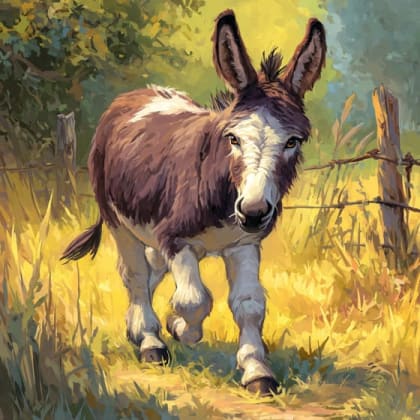
Miniature donkeys are small, friendly animals that love to play and cuddle. They are often found on farms and are great companions for other animals and people.
The Miniature Donkey is a small, sturdy equid with a relatively large head, long ears, and often a distinctive dark stripe along its back, sometimes with a 'shoulder cross'. Their coat colors vary widely, including shades of grey, brown, black, sorrel, and even spotted patterns.
Category
MammalsRarity
Common
Danger
1/5 · Very low
Snaps
7
Miniature donkeys can live longer than many dogs and cats, sometimes past 35 years!
These tiny donkeys love to communicate with loud, distinctive 'Eeyore'-like brays!
They often have a dark 'cross' pattern on their backs, a nod to ancient beliefs!
Unlike horses, donkeys prefer to stay put when startled, assessing danger instead of fleeing.
Miniature Donkeys can carry light loads because of their strong backs and sturdy build, helping them assist humans.
Miniature Donkeys have efficient digestive systems that help them thrive on tough, fibrous plants found in dry environments.
Miniature Donkeys have an excellent memory for places and people that helps them navigate and recognize companions.
Miniature Donkeys munch on tough plants like grass and hay to get all their energy!
Homo sapiens
Provide food, shelter, and care for donkeys.

Poa pratensis
A common pasture grass they graze upon.
Strongylus vulgaris
An intestinal worm that can affect donkey health.
Wildlife encompasses all undomesticated animal and plant life existing in their natural habitats.
Furry describes animals possessing a dense covering of soft hair or fur.
Social animals live in organized groups, cooperating for survival benefits such as foraging, defense, and raising offspring.
Grassland habitats are terrestrial biomes dominated by grasses and herbaceous plants, supporting a variety of grazing animals.

This trait characterizes organisms whose diet consists entirely or primarily of plant material.

This trait characterizes organisms with an exceptionally long lifespan compared to others of their kind.

Pertaining to species that are significantly smaller than typical or average for their kind.
Danger
1/5 · Very low
Always be gentle around donkeys and ask an adult for help if you want to pet one.
The easiest way to identify Miniature Donkey is to use the Snappit nature identifier app.
100-150 cm
90-200 kg
25-35 years
20 km/h
Miniature Donkeys munch on tough plants like grass and hay to get all their energy!
Grazing
1
Zoom in to split clusters and explore where this object has been snapped.
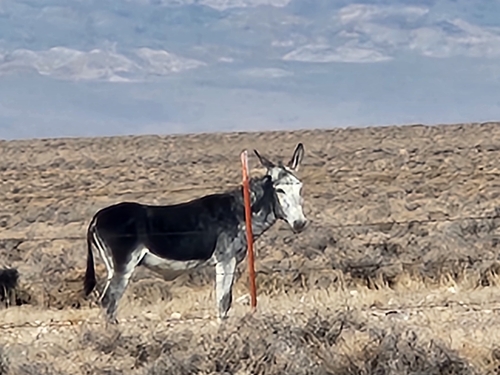
Sep 6, 2025
Goldfield Historic DistrictPhoto attribution
(c) Mary Lata, some rights reserved (CC BY)
License: CC BY 4.0 ↗
Image may be shown cropped inside the card frame.
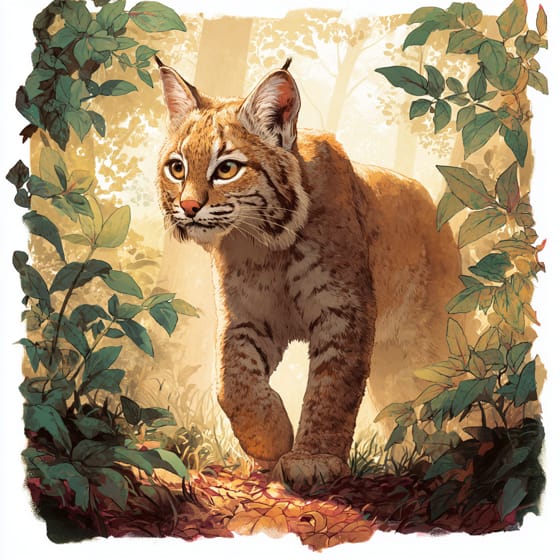
Illinois, US
You might spot Bobcat, Canada Lynx, and White-Tailed Deer.
View guide →

California, US
You might spot Giant Anteaters and Black-and-Gold Howler Monkey.
View guide →

Colorado, US
You might spot Great Basin Bristlecone Pine and Mule Deer.
View guide →

Nevada, US
You might spot Western Joshua Tree, Donkey, and Saltlover.
View guide →

California, US
You might spot Desert Paintbrush and Desert Milkweed.
View guide →
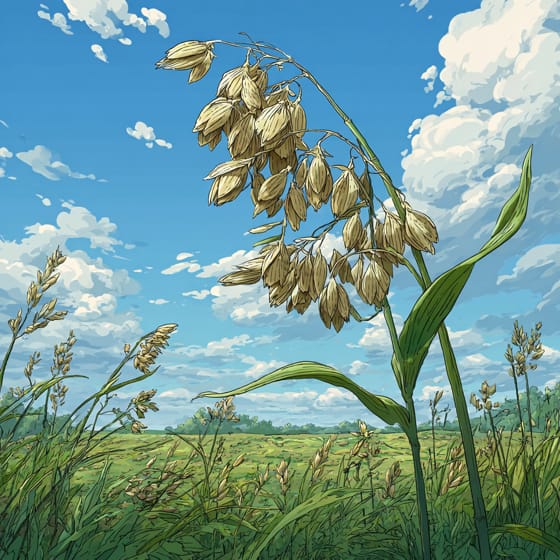
Arkansas, US
You might spot Oats, Emu, and Rabbit.
View guide →
Take the discovery with you
Snap it with Snappit to identify it, learn what makes it special, and add the discovery to your collection.




.jpg&width=800)



.JPG&width=800)

.jpg&width=800)
