


Mississippi Kite
Ictinia mississippiensis
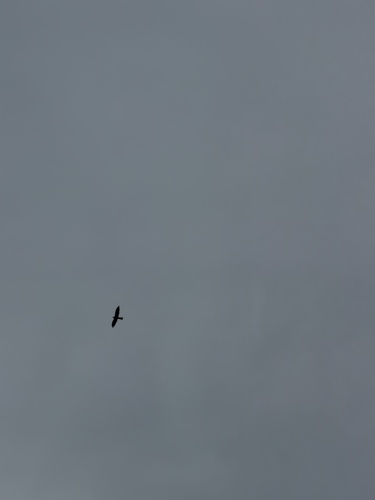
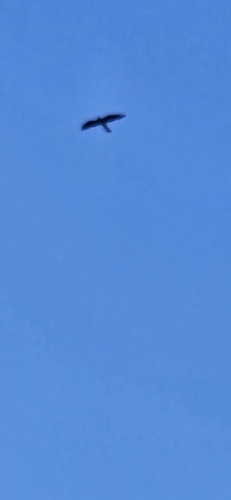
The Mississippi Kite is a graceful bird that loves to soar high in the sky. With its long wings and sharp eyes, it hunts for insects and small animals while flying.
Habitat: Urban areas, Forests
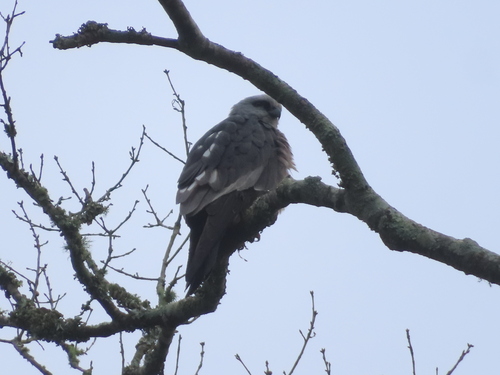
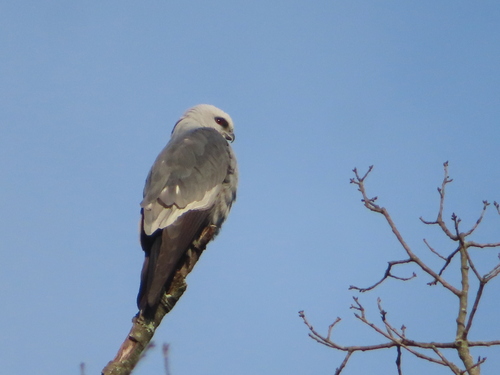
The Mississippi Kite has a sleek, gray body, darker wingtips, and a pale head. Its striking red eyes and long, narrow, pointed wings set it apart, often ending in a moderately forked tail.
Category
BirdsRarity
Common
Danger
1/5 · Very low
Snaps
41
Juvenile Mississippi Kites have brown eyes that gradually turn brilliant red as they grow older!
Mississippi Kites sometimes nest in urban areas, even raising their young in city parks!
These amazing birds rarely land to eat, often snacking on insects while still flying!
They are quite social and will often gather in large flocks during their long migrations!
Mississippi Kite can perform amazing aerial stunts to catch fast-moving insects mid-flight because of their incredible agility.
Mississippi Kite can snatch insects, and even small reptiles, from trees or the ground without landing, using precise aerial maneuvers.
Mississippi Kite can effortlessly glide on rising warm air currents, conserving energy during long migrations and while hunting.
These agile raptors are expert bug-catchers, snacking mostly on flying insects and small critters.
Anax junius
A major part of its insect diet.
Neotibicen pruinosus
A common meal during summer.
Schistocerca americana
Caught mid-air or from vegetation.

Procyon lotor
Preys on eggs and nestlings.
No trait badges are assigned for this object yet.
Danger
1/5 · Very low
Watch birds from a distance and don't disturb their nests.
The easiest way to identify Mississippi Kite is to use the Snappit nature identifier app.
29-37 cm
75-84 cm
0.214-0.343 kg
1-12 years
65 km/h
These agile raptors are expert bug-catchers, snacking mostly on flying insects and small critters.
Urban areas, Forests
Zoom in to split clusters and explore where this object has been snapped.
Jun 6, 2026
Auburn University Historic DistrictPhoto attribution
(c) Djibo Zanzot, some rights reserved (CC BY-SA)
License: CC BY-SA 4.0 ↗
Image may be shown cropped inside the card frame.
Jun 6, 2026
Hattiesburg ZooPhoto attribution
(c) Ken Clark, some rights reserved (CC BY)
License: CC BY 4.0 ↗
Image may be shown cropped inside the card frame.
Jun 5, 2026
Glenview Historic DistrictPhoto attribution
(c) Ken Clark, some rights reserved (CC BY)
License: CC BY 4.0 ↗
Image may be shown cropped inside the card frame.
Jun 2, 2026
Topeka ZooPhoto attribution
(c) Robert Hoard, some rights reserved (CC BY)
License: CC BY 4.0 ↗
Image may be shown cropped inside the card frame.

Louisiana, US
You might spot Brown Anole, White Ibis, and Duck.
View guide →

South Carolina, US
You might spot Brown Pelican, Boat-Tailed Grackle, and Great Egret.
View guide →

South Carolina, US
You might spot Anole, Asian Lady Beetle, and Gulf Fritillary.
View guide →

Oklahoma, US
You might spot Hoary Vervain, Buffalo Gourd, and Pond Slider.
View guide →

US
You might spot Brown Pelican, Boat-Tailed Grackle, and Great Egret.
View guide →

Texas, US
You might spot Brown Anole, Gulf Fritillary, and Pond Slider.
View guide →
Take the discovery with you
Snap it with Snappit to identify it, learn what makes it special, and add the discovery to your collection.








.jpg&width=800)









