





naked-flowered tick-trefoil
Hylodesmum nudiflorum
The naked-flowered tick-trefoil is a special plant with tiny flowers that bloom without any leaves. It grows in fields and meadows, making it a fun find for nature explorers!
Habitat: Meadows
The naked-flowered tick-trefoil has delicate pink to purplish pea-like flowers that bloom on leafless stems, appearing 'naked' above its carpet of three-parted leaves. Its vibrant green foliage often lies low to the ground, creating a distinct two-tiered appearance.
Category
PlantsRarity
Common
Danger
1/5 · Very low
Snaps
2
Its flowering stems grow tall without leaves, appearing completely 'naked'!
Its seeds are so sticky they inspired the 'tick-trefoil' part of its name!
The tiny, pink pea-like flowers are a nectar feast for many pollinators!
This clever plant grows two ways: low leaves AND tall flower stalks!
naked-flowered tick-trefoil can use its Velcro-like seed pods to hitch rides on passing animals, spreading its tiny seeds far and wide!
naked-flowered tick-trefoil has ground-level leaves that soak up sun energy, while its 'naked' flower stalks rise high to attract busy pollinators!
naked-flowered tick-trefoil partners with tiny underground helpers to pull nitrogen from the air, making the soil richer for itself and neighbors.
Bombus impatiens
Visits the small pink-purple flowers for nectar.

Erynnis juvenalis
Its caterpillars feed on the leaves of this plant.
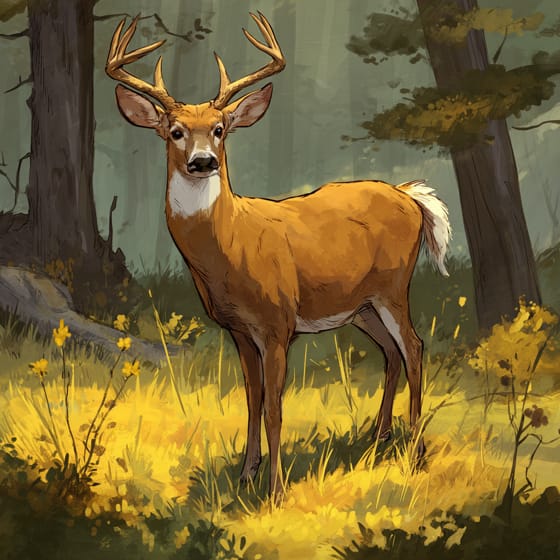
Odocoileus virginianus
Browses on the leaves and stems, especially new growth.
Rhizobium leguminosarum
Helps the plant fix nitrogen in its root nodules.
Deciduous plants periodically shed all their leaves, typically during autumn or dry seasons.
Ornamental plants are cultivated primarily for their aesthetic appeal, enhancing landscapes and gardens with their attractive foliage, flowers, or form.
Summer blooming plants produce their flowers during the summer season, often providing vibrant color when many other plants have finished.
Grassland habitats are terrestrial biomes dominated by grasses and herbaceous plants, supporting a variety of grazing animals.

Describes plants that are particularly attractive and beneficial to a wide range of pollinating organisms.
No aliases listed yet.
Danger
1/5 · Very low
Always look but don't touch plants unless you know they are safe.
The easiest way to identify naked-flowered tick-trefoil is to use the Snappit nature identifier app.
30-90 cm
30-60 cm
0.5-0.8 cm
Summer-Early Fall
No
None
Perennial
Zoom in to split clusters and explore where this object has been snapped.

Missouri, US
You might spot Blackjack Oak, Bird's Foot Violet, and Starry Campion.
View guide →
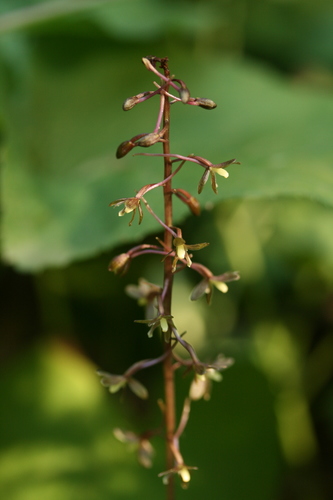
Virginia, US
You might spot Crane-Fly Orchid, Wild Geranium, and Cutleaf Coneflower.
View guide →
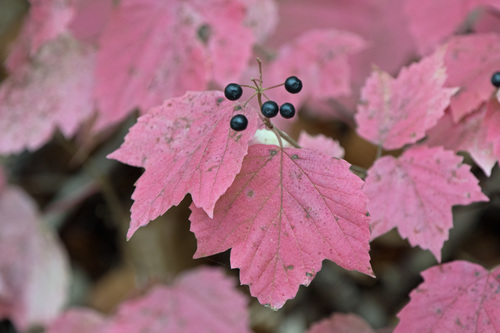
Virginia, US
You might spot Mapleleaf Viburnum, Japanese Holly, and Common Bonnet.
View guide →
Take the discovery with you
Snap it with Snappit to identify it, learn what makes it special, and add the discovery to your collection.








.jpg&width=800)



_001.jpg&width=800)




