





Narrowleaf sword fern
Polystichum imbricans
The Narrowleaf sword fern is a lovely green plant with long, narrow leaves that look like swords! It grows in shady places and adds beauty to forests and gardens.
Habitat: Forests
The Narrowleaf sword fern has stiff, upright fronds with distinct, narrow leaflets that overlap slightly like roof shingles. Its dark green leaves form a striking, erect clump, visually setting it apart from broader-leafed ferns.
Category
PlantsRarity
Common
Danger
1/5 · Very low
Snaps
1
Instead of seeds, it makes tiny, dust-like spores to reproduce!
Its fronds feel stiff and leathery, almost like plastic!
Look closely: its leaflets stack like tiny roof tiles!
This fern's leaves stay green all year, even in winter snow!
Narrowleaf sword fern can launch tiny spores from its fronds, helping it spread far and wide without needing seeds!
The Narrowleaf sword fern has tough, leathery fronds that stay green all winter, helping it photosynthesize longer.
Its overlapping, scale-like leaflets help shed excess water, protecting the fern from moisture extremes.
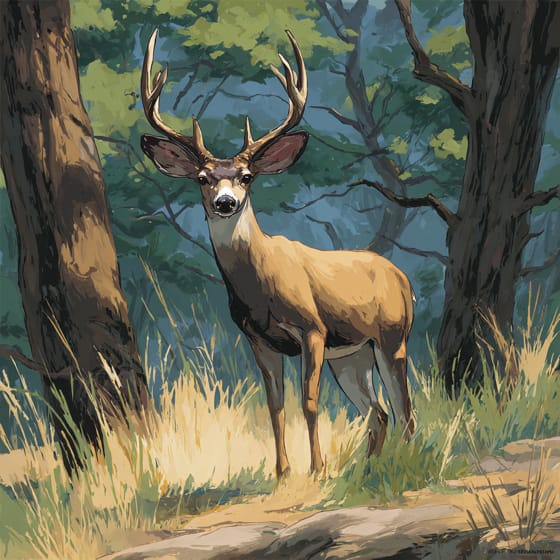
Odocoileus hemionus
Occasionally browsed by deer, especially in lean seasons.

Arion ater
Provides damp cover for slugs and other small creatures.
Mycena adscendens
Decomposes dead fern fronds on the forest floor.
Oxalis oregana
Its canopy helps shade understory plants like redwood sorrel.
Ornamental plants are cultivated primarily for their aesthetic appeal, enhancing landscapes and gardens with their attractive foliage, flowers, or form.
Grass-like plants are herbaceous plants that visually resemble true grasses, typically having long, narrow leaves.
Shade tolerant plants are adapted to grow and thrive in areas with low light levels, requiring less direct sunlight.
Evergreen plants retain their foliage throughout the year, never shedding all their leaves at once.

Rapid growing plants exhibit accelerated growth rates, quickly increasing in size and biomass within a short period.

This trait signifies organisms belonging to a very old evolutionary group with ancestors dating back millions of years.

Describes organisms that break down dead organic material, recycling nutrients back into the ecosystem.

Forest habitats are terrestrial environments dominated by dense tree cover, supporting a high diversity of plant and animal life.
No aliases listed yet.
Danger
1/5 · Very low
Always be careful when exploring plants, and don't touch any you don't know.
The easiest way to identify Narrowleaf sword fern is to use the Snappit nature identifier app.
30-90 cm
30-60 cm
No
None
Perennial
Forests
Zoom in to split clusters and explore where this object has been snapped.

Oregon, US
You might spot White Pasqueflower and Clark's Nutcracker.
View guide →

Oregon, US
You might spot Clark's Nutcracker.
View guide →
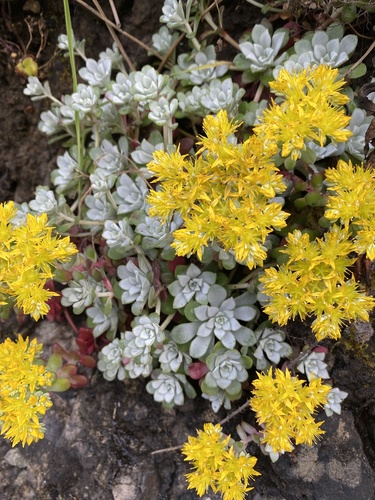
British Columbia, CA
You might spot Broad-Leaved Stonecrop and Western Rattlesnake Plantain.
View guide →
Take the discovery with you
Snap it with Snappit to identify it, learn what makes it special, and add the discovery to your collection.








.jpg&width=800)



_001.jpg&width=800)


