.jpg&width=800)





Neotropic Cormorant
Nannopterum brasilianum
The Neotropic Cormorant is a sleek bird that loves to swim and dive for fish. With its shiny black feathers and long neck, it can often be seen drying its wings in the sun after a swim.
Habitat: Wetlands
The Neotropic Cormorant is a sleek, medium-sized waterbird with entirely black plumage, often showing a bronzy sheen. It has a slender body, a long, hooked bill, and a small, often yellow-orange, gular pouch at the base of its bill, differentiating it from larger cormorants.
Category
BirdsRarity
Common
Danger
1/5 · Very low
Snaps
6
These birds build nests in trees over water, sometimes in huge colonies!
They use their strong, hooked bill like a spear to catch slippery fish!
They're sometimes called 'water turkeys' due to their long necks and tails!
Unlike most birds, their feathers get wet on purpose to help them dive!
Neotropic Cormorant can see clearly underwater because its eyes adapt to the water's refractive index.
Neotropic Cormorant has large, webbed feet positioned far back on its body that helps them swiftly propel through water.
Neotropic Cormorant has less preen oil than other water birds, allowing its feathers to get wet, reducing buoyancy to dive deeper.
Neotropic Cormorant can spread its wings wide to dry its semi-permeable feathers in the sun, restoring insulation and flight.
A skilled underwater hunter, they mainly eat small fish and sometimes amphibians or crustaceans.
Oreochromis niloticus
An important food source in many habitats.
Gambusia affinis
Preys on these common small, surface-dwelling fish.
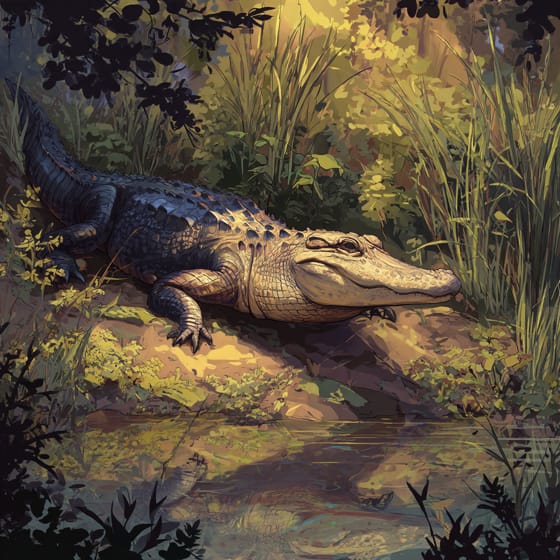
Alligator mississippiensis
Eggs and chicks are vulnerable to predation near water.
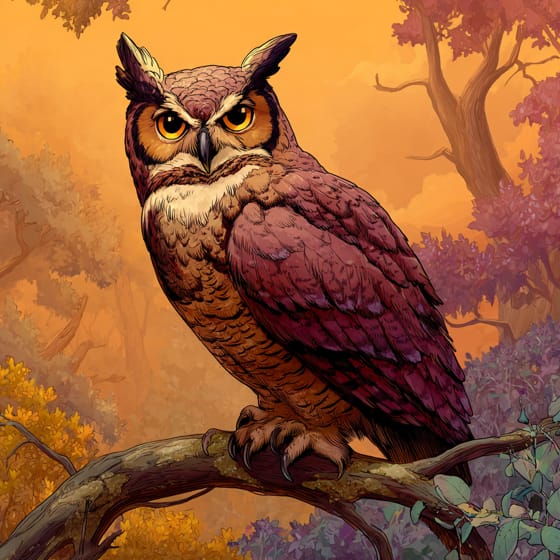
Bubo virginianus
May prey on juveniles or adults, especially at night.
Feathered describes animals, primarily birds, possessing a covering of feathers.
Characterized by having toes connected by a membrane, typically aiding in swimming.
Social animals live in organized groups, cooperating for survival benefits such as foraging, defense, and raising offspring.
Filter feeders obtain nutrients by straining suspended food particles and small organisms from water.

Piscivorous organisms are animals that primarily subsist on a diet of fish.

This habitat trait identifies species found in wetlands, which are areas of land saturated with water, either permanently or seasonally, including marshes, swamps, and bogs.

This trait identifies organisms whose diet consists entirely or primarily of animal tissue.

Diurnal animals are primarily active during daylight hours, typically resting or sleeping at night.

This trait identifies organisms that exhibit exceptional swiftness in movement for hunting, escape, or travel.
Danger
1/5 · Very low
Always watch birds from a distance and don't try to touch them.
The easiest way to identify Neotropic Cormorant is to use the Snappit nature identifier app.
58-74 cm
100-120 cm
1.1-1.5 kg
6-12 years
55 km/h
A skilled underwater hunter, they mainly eat small fish and sometimes amphibians or crustaceans.
Wetlands
Zoom in to split clusters and explore where this object has been snapped.

US
You might spot Pond Slider, Black-Bellied Whistling-Duck, and Brown Anole.
View guide →

Texas, US
You might spot Silverleaf Nightshade and Green Comet Milkweed.
View guide →

Texas, US
You might spot Duck, Egyptian Goose, and Black-Bellied Whistling-Duck.
View guide →

US
You might spot Creosote Bush, Great-Tailed Grackle, and Ocotillo.
View guide →

New Mexico, US
You might spot Soaptree Yucca and White-Winged Dove.
View guide →
Take the discovery with you
Snap it with Snappit to identify it, learn what makes it special, and add the discovery to your collection.




.jpg&width=800)








