





Nootka rose
Rosa nutkana
The Nootka rose is a lovely shrub with beautiful pink flowers. It grows in many places and attracts butterflies and bees, making gardens colorful and lively.
Habitat: Coastal areas
The Nootka rose has five large, vibrant pink petals surrounding a cluster of bright yellow stamens, contrasting with its sturdy, often thorny, reddish-brown stems. Its dense, dark green leaves are oval-shaped and serrated, making it visually distinct from common garden roses by its simpler, wilder appearance.
Category
PlantsRarity
Common
Danger
2/5 · Low
Snaps
3
Sweet Medicine! Indigenous peoples traditionally used Nootka rose hips and petals for food and healing.
Tough Survivor! This hardy rose thrives in many harsh coastal and forest environments.
Vitamin C Powerhouse! Its bright red rose hips contain more Vitamin C than an orange!
Wild Beauty! It's one of the few rose species native to the Pacific Northwest.
Nootka rose creates vitamin-rich rose hips that attract birds, helping to spread its seeds far and wide.
Nootka rose can grow in dense patches, providing excellent shelter and safe nesting spots for small wildlife.
Apis mellifera
gathers nectar and pollen from its flowers
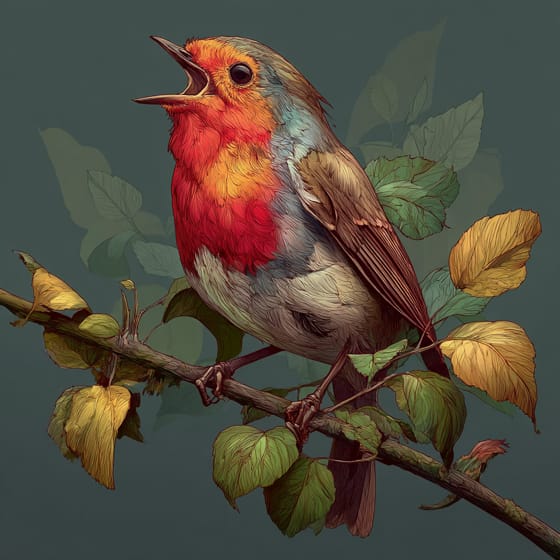
Turdus migratorius
feasts on its vitamin-rich rose hips
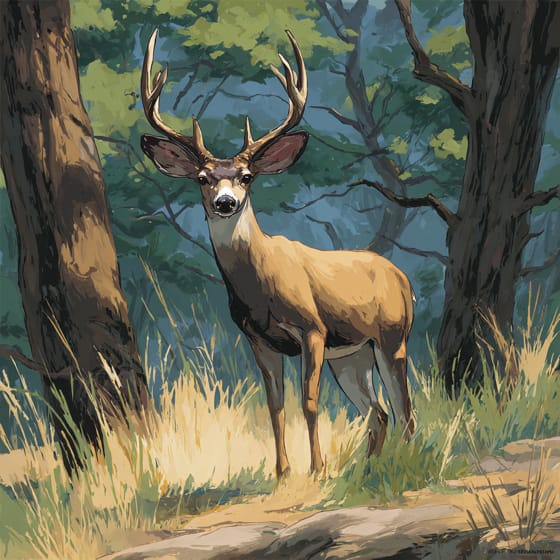
Odocoileus hemionus
browses its leaves and tender young shoots
Troglodytes troglodytes
builds nests and hides in its dense, thorny thickets
Deciduous plants periodically shed all their leaves, typically during autumn or dry seasons.
Flowering plants are any plants that produce flowers as part of their reproductive cycle.
A shrub is a woody plant smaller than a tree, typically with multiple stems branching from or near the ground.
Summer blooming plants produce their flowers during the summer season, often providing vibrant color when many other plants have finished.

Fragrant flowers emit a pleasant aroma, often to attract pollinators or for defense.

Fruit-bearing plants produce fruits, which are the mature ovaries of flowering plants containing seeds.

Edible plants are those parts of a plant that are considered safe for human consumption.

Describes plants that are particularly attractive and beneficial to a wide range of pollinating organisms.

Coastal habitats are dynamic environments located along the interface between land and sea, influenced by tides, waves, and saltwater.
Danger
2/5 · Low
Be careful not to touch the thorns on the stems, as they can be sharp.
The easiest way to identify Nootka rose is to use the Snappit nature identifier app.
100-300 cm
100-200 cm
4-7 cm
Late Spring to Mid-Summer
Yes
None
Perennial
Zoom in to split clusters and explore where this object has been snapped.

Washington, US
You might spot African Lion, Giraffes, and Gorilla.
View guide →

Oregon, US
You might spot Great Egret, Great Blue Heron, and Bald Eagle.
View guide →
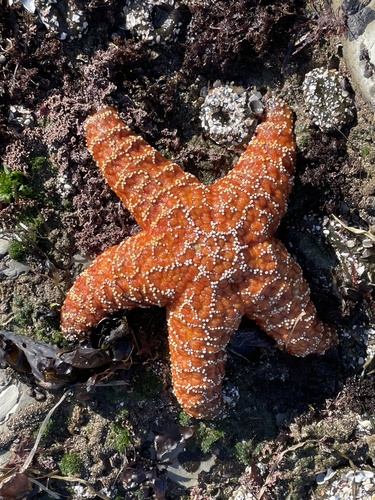
British Columbia, CA
You might spot Ochre Sea Star, Fringe Cups, and Moonglow Anemone.
View guide →

Washington, US
You might spot Red Fox, Ghost Pipe, and Armenian Blackberry.
View guide →
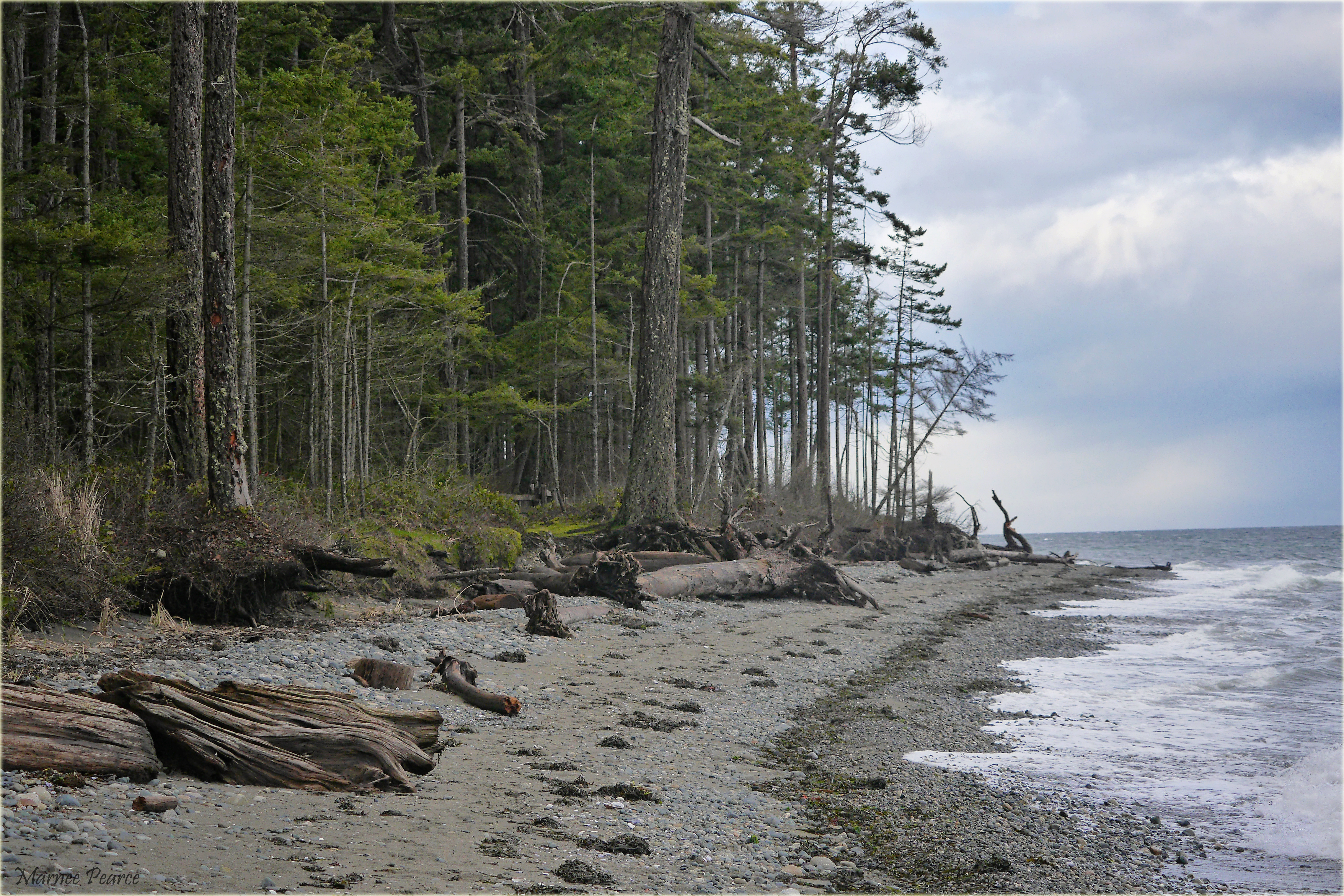
British Columbia, CA
You might spot European Rabbit, Yellow Shore Crab, and Nootka Rose.
View guide →
Take the discovery with you
Snap it with Snappit to identify it, learn what makes it special, and add the discovery to your collection.







.jpg&width=800)


_001.jpg&width=800)



