





Nuttall's Woodpecker
Dryobates nuttallii
Nuttall's Woodpecker is a small bird that loves to tap on trees to find tasty bugs. With its black and white feathers and a little red on its head, it’s easy to spot in the trees!
Habitat: Forests
The Nuttall's Woodpecker is a medium-sized bird featuring a distinctive black-and-white 'ladder-back' pattern. Males sport a red patch on the back of their head, absent in females. It also has strong black stripes across its white face, which helps differentiate it.
Category
BirdsRarity
Common
Danger
1/5 · Very low
Snaps
21
A Nuttall's Woodpecker can peck trees over 20 times per second without getting a headache!
Both mom and dad Nuttall's Woodpeckers take turns sitting on the eggs to keep them warm!
They often create a tiny 'pantry' by wedging insects into bark cracks for later snacks!
This woodpecker's drumming isn't just for food; it's also how they talk to each other!
Nuttall's Woodpecker has a unique skull structure and strong neck muscles that help them absorb powerful pecking shocks without injury.
Nuttall's Woodpecker can cling vertically to tree trunks and even hang upside down using their zygodactyl feet and stiff tail feathers.
Nuttall's Woodpecker can extend its long, barbed tongue far beyond its beak to retrieve insects hidden deep within tree crevices.
These woodpeckers mostly eat insects they find in trees, but also enjoy some nuts and berries!

Quercus lobata
Nests and forages within the bark and branches.
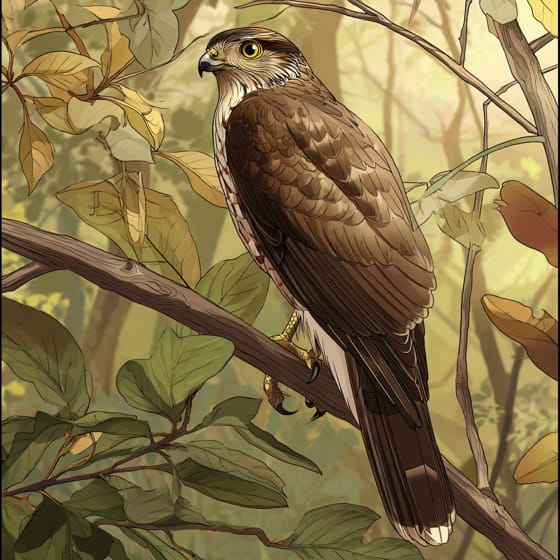
Accipiter cooperii
Is a common predator of adult Nuttall's Woodpeckers.
Formica fusca
Forages for ants and their larvae on tree bark.
Feathered describes animals, primarily birds, possessing a covering of feathers.
Social animals live in organized groups, cooperating for survival benefits such as foraging, defense, and raising offspring.
Arboreal animals live primarily in trees, utilizing them for shelter, food, and protection from predators.
This trait identifies organisms whose diet primarily consists of insects and other small invertebrates.

Forest habitats are terrestrial environments dominated by dense tree cover, supporting a high diversity of plant and animal life.

Diurnal animals are primarily active during daylight hours, typically resting or sleeping at night.
No aliases listed yet.
Danger
1/5 · Very low
Always watch birds from a distance and don't try to touch them.
The easiest way to identify Nuttall's Woodpecker is to use the Snappit nature identifier app.
18-20 cm
33-35 cm
0.03-0.05 kg
4-7 years
45 km/h
These woodpeckers mostly eat insects they find in trees, but also enjoy some nuts and berries!
Forests
Zoom in to split clusters and explore where this object has been snapped.
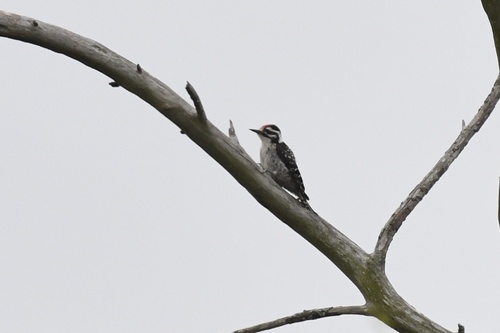
Jun 6, 2026
Mount EcclesiaPhoto attribution
(c) zr217, some rights reserved (CC BY)
License: CC BY 4.0 ↗
Image may be shown cropped inside the card frame.
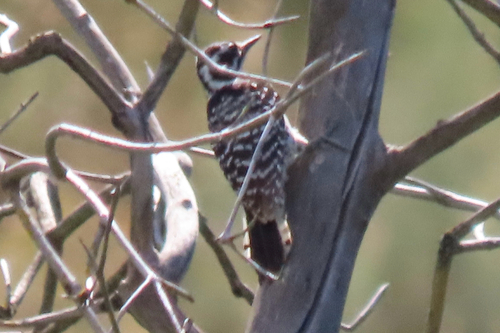
Apr 4, 2026
Arroyo Conejo Open SpacePhoto attribution
(c) Kat B, some rights reserved (CC BY)
License: CC BY 4.0 ↗
Image may be shown cropped inside the card frame.

California, US
You might spot Western Fence Lizard and California Brittlebush.
View guide →

California, US
You might spot Monarch, Canada Goose, and Western Gull.
View guide →

California, US
You might spot Great Blue Heron, Western Gull, and Coyote.
View guide →

California, US
You might spot Checkerbloom and Fuchsiaflower Gooseberry.
View guide →

California, US
You might spot Western Fence Lizard, Duck, and Canada Goose.
View guide →

California, US
You might spot Mule Deer, Turkey, and Duck.
View guide →
Take the discovery with you
Snap it with Snappit to identify it, learn what makes it special, and add the discovery to your collection.




.jpg&width=800)








