





Oceanblue Phacelia
Phacelia ranunculacea
The Oceanblue Phacelia is a beautiful flower with bright blue petals. It grows in sunny places and attracts lots of friendly bees and butterflies. This flower loves to dance in the breeze!
Habitat: Coastal areas
The Oceanblue Phacelia has striking blue-violet, bell-shaped flowers clustered along one side of arching stems. Its delicate blooms often feature prominent stamens, giving them a wispy appearance, standing out against its hairy, green foliage.
Category
PlantsRarity
Common
Danger
1/5 · Very low
Snaps
1
Its flower clusters famously curl up like a scorpion's tail before they burst open!
Some people call it "scorpionweed" because of its unique, coiled flower spikes!
The scientific name "Phacelia" means "bundle," for its tight clusters of flowers!
Tiny sticky hairs on its leaves and stems can sometimes trap small insects!
Oceanblue Phacelia has tiny, bristly hairs covering its stems and leaves that help deter hungry herbivores from taking a bite!
Oceanblue Phacelia's flower stalks coil like a scorpion's tail, slowly unfurling to reveal new bell-shaped blooms over time!
Oceanblue Phacelia can thrive in poor, rocky, and sandy soils, using less water than many other plants!
Apis mellifera
Collects nectar and pollen.
Bombus vosnesenskii
An important native pollinator.
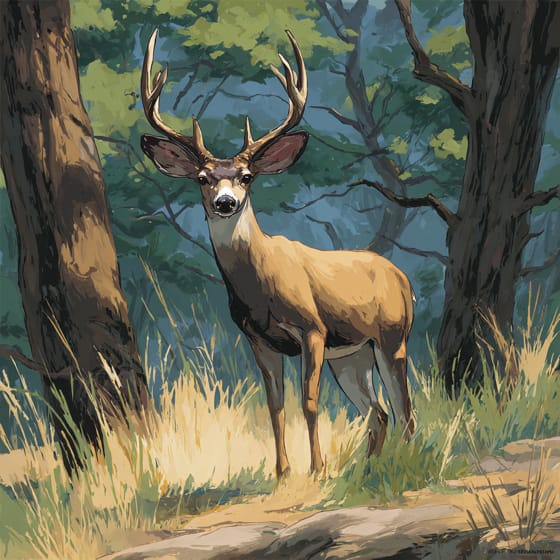
Odocoileus hemionus
May browse foliage, despite hairs.
Flowering plants are any plants that produce flowers as part of their reproductive cycle.
Summer blooming plants produce their flowers during the summer season, often providing vibrant color when many other plants have finished.
Fragrant flowers emit a pleasant aroma, often to attract pollinators or for defense.
Drought-tolerant plants can survive and flourish in conditions with limited water availability.

Colorful describes organisms or objects displaying a wide range of bright and distinct colors.

Describes plants that are particularly attractive and beneficial to a wide range of pollinating organisms.

Coastal habitats are dynamic environments located along the interface between land and sea, influenced by tides, waves, and saltwater.
No aliases listed yet.
Danger
1/5 · Very low
Always look but don't pick flowers, so they can keep growing for everyone to enjoy.
The easiest way to identify Oceanblue Phacelia is to use the Snappit nature identifier app.
10-40 cm
15-30 cm
0.8-1.5 cm
Spring to early summer
No
Mild
Annual
Zoom in to split clusters and explore where this object has been snapped.

Illinois, US
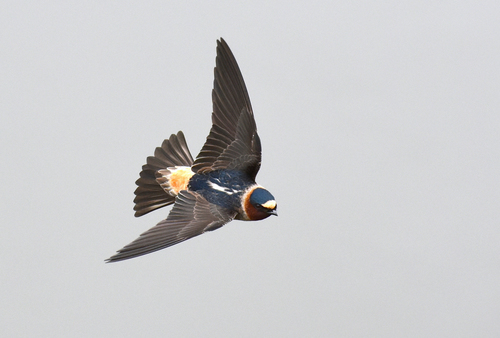
You might spot Cliff Swallow, Baldcypress, and Indian Heliotrope.
View guide →
Illinois, US
You might spot Cliff Swallow, Baldcypress, and Indian Heliotrope.
View guide →

Tennessee, US
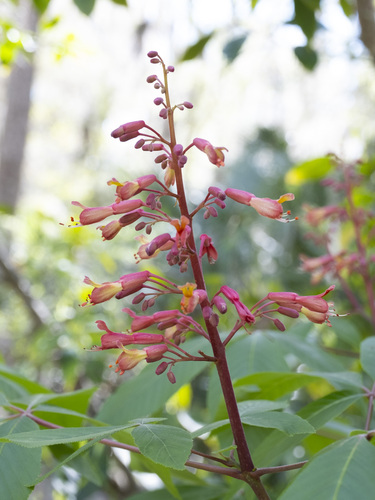
You might spot Red Buckeye, Prairie Trillium, and Largeflower Bellwort.
View guide →
Tennessee, US
You might spot Red Buckeye, Aniseroot, and Christmas Fern.
View guide →
Take the discovery with you
Snap it with Snappit to identify it, learn what makes it special, and add the discovery to your collection.








.jpg&width=800)


_001.jpg&width=800)




