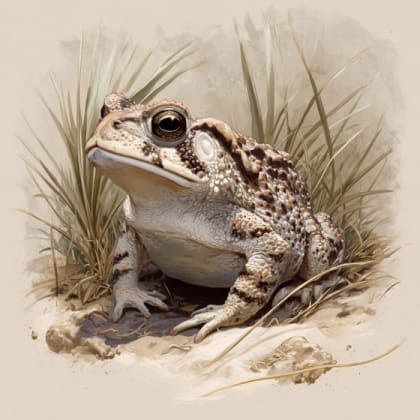





Fowler's Toad
Chucalissa Archaeological Park invites visitors on an engaging journey back in time, offering a rare glimpse into the vibrant Mississippian culture that thrived in the Mid-South over a thousand years ago.
Chucalissa Archaeological Park invites visitors on an engaging journey back in time, offering a rare glimpse into the vibrant Mississippian culture that thrived in the Mid-South over a thousand years ago. Nestled within T.O. Fuller State Park in Tennessee, this National Historic Landmark is more than just an archaeological site; it's a living classroom where ancient earthen mounds, replica village houses, and a rich natural environment tell compelling stories of early American Indian life. Operated by the University of Memphis, Chucalissa provides a unique blend of historical discovery and natural exploration, making it a captivating destination for all ages.
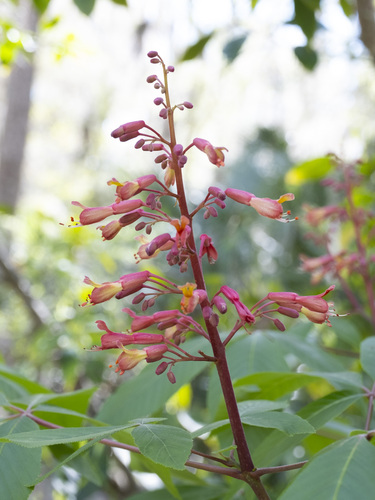
The park boasts a fascinating array of exhibits, including the C.H. Nash Museum, which curates artifacts recovered from decades of systematic excavations, and a hands-on archaeology laboratory where history comes alive. Outdoors, visitors can explore the impressive prehistoric mound complex, including the main platform mound and a ceremonial plaza. Wander through a reconstructed village with a replica house and palisade enclosure, envisioning daily life centuries past. The site's fully certified arboretum and nature trails further enhance the experience, winding through diverse habitats where you might spot a Northern Cardinal perched on a branch, hear the song of a White-throated Sparrow, or admire the vibrant hues of a Red Buckeye in bloom, connecting the ancient human story with the enduring natural world.
A visit to Chucalissa is an opportunity to connect deeply with the rich heritage of Native American cultures and the natural beauty of the region. It's a place where history buffs can delve into archaeological research, families can engage in interactive learning, and nature enthusiasts can observe a variety of local flora and fauna, from the common pawpaw and northern spicebush along the trails to the subtle beauty of a North American Luna Moth. The blend of cultural interpretation and ecological appreciation creates a memorable and enriching experience, highlighting the ingenuity of the Mississippian people and the timeless allure of the natural landscape. Eager to name that creature? Identify any animal you find during your visit using the Snappit app.
The Chucalissa site was initially discovered in 1938 by Civilian Conservation Corps workers. Archaeological excavations began in 1940 by the University of Tennessee, though work was temporarily halted during World War II. The site reveals a long history of occupation, with evidence suggesting the first settlement, known as the Ensley Phase, around 1000 CE. After periods of abandonment, the village was re-settled in subsequent phases, including the Mitchell Phase (around 1200 CE), which saw the initiation of mound building, and the Boxtown Phase (around 1400 CE). The most significant settlement, the Walls Phase, occurred around 1500 CE, during which large mounds were constructed around a central plaza. The name "Chucalissa" itself, meaning "abandoned house" in the Choctaw language, was given by archaeologists, reflecting the site's history of occupation and eventual abandonment prior to European contact, possibly due to the rapid spread of newly introduced European diseases. Since 1962, the C.H. Nash Museum at Chucalissa and the archaeological grounds have been operated by the University of Memphis, and the site was officially designated a National Historic Landmark in 1994, recognizing its national significance.
Explore the museum exhibits that interpret prehistoric and contemporary Native American cultures. Walk on the ancient earth mounds and envision the ceremonies that took place in the central plaza. Tour the replica house to understand daily life. Engage with the hands-on archaeology lab. Hike the nature trail through the arboretum, keeping an eye out for local wildlife and diverse plant species like the Christmas fern and largeflower bellwort.
While enjoyable year-round, visiting during Native American Heritage Month (November) can offer special programming. Spring and fall offer pleasant weather for exploring the outdoor areas and observing animal activity, such as the busy Northern Cardinal or the elusive Ring-necked Snake.
The main museum and visitor center areas are likely accessible. While the nature trails are part of an arboretum, specific details on paved paths for full wheelchair accessibility across all outdoor areas, especially the mounds, are not clearly indicated in available information. Visitors with mobility concerns should contact the venue directly for the most up-to-date accessibility information.
Don't miss the C.H. Nash Museum with its extensive artifact collections, the outdoor prehistoric American Indian mound complex, the reconstructed replica village house, and the interactive hands-on archaeology laboratory. The arboretum and nature trails are also key features.
Each card links to a full Explore page with photos, traits, and fun facts.
Start with the big picture, then zoom in to explore individual wildlife observations around this place.
Check Operating Hours
Always confirm the current operating hours (Tuesday-Saturday, 9:00 AM - 4:30 PM) and admission fees on the official Chucalissa website before your visit.
GPS Navigation
When using GPS, enter "T.O. Fuller State Park" as your destination first, then follow the signs to Chucalissa within the park for accurate directions.
Wear Comfortable Shoes
You'll be walking on nature trails and potentially climbing earthen mounds, so comfortable footwear is essential.
Bring Binoculars
For birdwatching enthusiasts, binoculars will enhance your chances of spotting species like the Red-shouldered Hawk or the Blue-gray Gnatcatcher along the trails.
Allow Ample Time
Dedicate at least 2-4 hours to explore the museum, the outdoor village and mound complex, and to enjoy a stroll through the arboretum and nature trails.
Visit on a Saturday
If visiting with family, consider a Saturday to take advantage of the special educational programs, crafts, and guided tours offered.
Jun 19, 2025
Mar 9, 2025
Apr 7, 2024
Jul 30, 2023
Jun 23, 2023

Maryland, US
You might spot White-Tailed Deer and Eastern Gray Squirrel.
View guide →
.jpg)
District of Columbia, US
You might spot Eastern Gray Squirrel, Duck, and House Sparrow.
View guide →

Illinois, US
You might spot American Robin, Canada Goose, and House Sparrow.
View guide →

Virginia, US
You might spot Spotted Lanternfly and Northern Cardinal.
View guide →
Take the discovery with you
Identify the wildlife you spot, learn as you go, and keep a collection of the adventure.