





Oriental bittersweet
Celastrus orbiculatus
Oriental bittersweet is a climbing plant with bright orange berries and green leaves. It loves to grow on trees and fences, making it look beautiful in gardens and nature.
Habitat: Urban areas
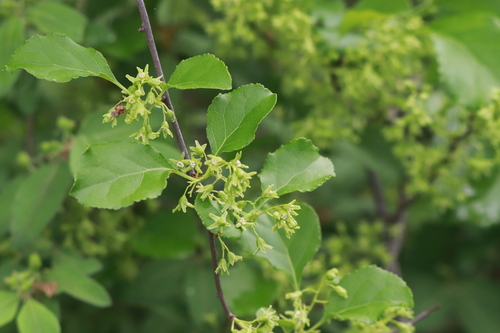
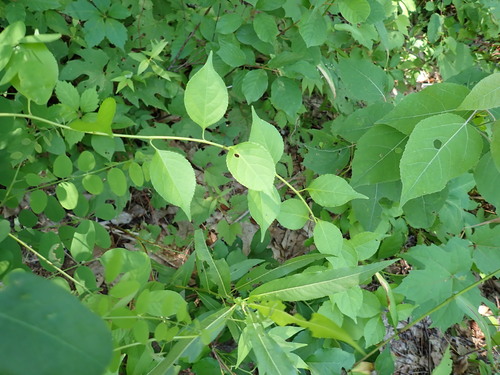
The Oriental bittersweet is a woody vine with glossy green leaves that turn yellow in autumn. Its most striking feature is bright clusters of round, orange-red berries encased in vibrant yellow, three-part capsules, which split open to reveal the colorful fruit.
Category
PlantsRarity
Common
Danger
2/5 · Low
Snaps
47
Its pretty berries look tasty, but are not safe for people to eat.
Its super strong vines can even snap small trees and fences!
The seeds inside the berries can travel far, often carried by birds!
This powerful vine can choke out other plants, even big trees!
Oriental bittersweet can wrap its strong, woody vines tightly around trees, using them for support to reach sunlight high above.
Oriental bittersweet has abundant, bright berries that help birds spread its seeds far and wide, aiding its rapid spread.
Oriental bittersweet can spread rapidly through underground stems and numerous seeds, quickly taking over new areas.
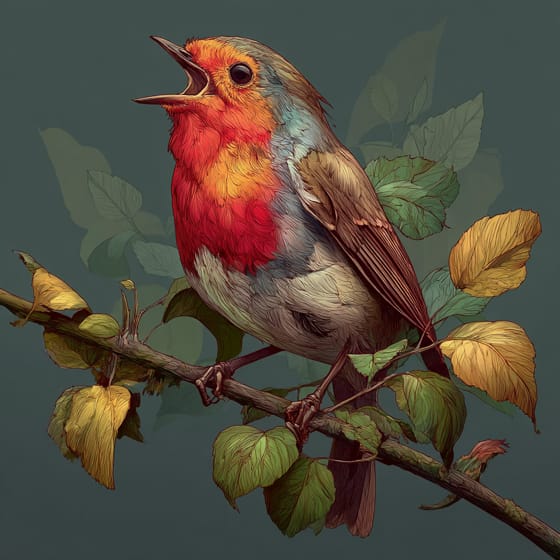
Turdus migratorius
Seeds dispersed after birds eat berries
Apis mellifera
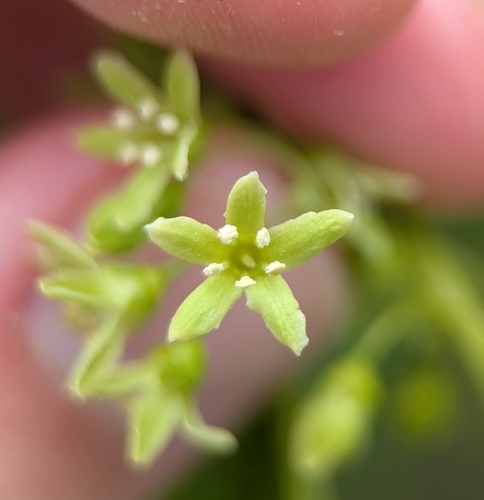
Visits small flowers for nectar and pollen

Odocoileus virginianus
Deer sometimes browse the leaves and stems
Quercus rubra
Uses trees for support to climb high for light
Climbing or vine plants are characterized by a growth habit that allows them to ascend upwards by twining, tendrils, or adhesive roots.
Deciduous plants periodically shed all their leaves, typically during autumn or dry seasons.
Ornamental plants are cultivated primarily for their aesthetic appeal, enhancing landscapes and gardens with their attractive foliage, flowers, or form.
Fall color refers to the seasonal change in foliage pigmentation, primarily in deciduous plants, displaying vibrant hues.

Rapid growing plants exhibit accelerated growth rates, quickly increasing in size and biomass within a short period.

Poisonous organisms produce toxins that can cause harm when ingested, inhaled, or absorbed through contact.

This habitat trait indicates species that can coexist with humans in urban and suburban environments, utilizing man-made structures and green spaces.

Invasive species are non-native organisms that cause harm to the environment, economy, or human health.
Danger
2/5 · Low
Do not eat the berries, as they can make you feel sick.
The easiest way to identify Oriental bittersweet is to use the Snappit nature identifier app.
150-1800 cm
100-1000 cm
0.3-0.5 cm
Late_spring
No
Moderate
Perennial
Zoom in to split clusters and explore where this object has been snapped.
May 29, 2026
Towers Historic DistrictPhoto attribution
(c) Tyler Ekholm, some rights reserved (CC BY)
License: CC BY 4.0 ↗
Image may be shown cropped inside the card frame.
May 25, 2026
East Granby Historic DistrictPhoto attribution
(c) Mark Apgar, some rights reserved (CC BY)
License: CC BY 4.0 ↗
Image may be shown cropped inside the card frame.
Jul 4, 2025
Chesterfield GorgePhoto attribution
no rights reserved
License: CC0 1.0 ↗
Image may be shown cropped inside the card frame.

New Jersey, US
You might spot Brant, Laughing Gull, and Great Black-Backed Gull.
View guide →

Maryland, US
You might spot American Cancer-Root and Rue Anemone.
View guide →

Massachusetts, US
You might spot Mountain Laurel, Azure Bluet, and Partridgeberry.
View guide →

Rhode Island, US
You might spot Common Eastern Bumble Bee and Asian Lady Beetle.
View guide →

US
You might spot Pink Lady's Slipper and Canada Mayflower.
View guide →

Rhode Island, US
You might spot White-Tailed Deer, Great Egret, and Duck.
View guide →
Take the discovery with you
Snap it with Snappit to identify it, learn what makes it special, and add the discovery to your collection.








.jpg&width=800)


_001.jpg&width=800)




