





Firebush
Hamelia patens
Firebush is a bright and cheerful shrub that loves warm places! It has lovely orange and red flowers that attract butterflies and hummingbirds, making gardens look colorful and lively.
Habitat: Urban areas
The Firebush is a vibrant shrub boasting clusters of tubular, reddish-orange flowers that resemble small flames. Its green leaves often develop striking red tints, especially in sunlight, making it look like it's on fire. It stands out with its warm, fiery hues.
Category
PlantsRarity
Common
Danger
1/5 · Very low
Snaps
6
Its small, red berries are edible and taste a bit like tart apples!
The Firebush grows wild in many countries, from Florida to South America!
This plant can attract over a dozen different types of butterflies to your garden!
Tiny, special hairs inside its flowers guide hummingbirds directly to the nectar!
Firebush can produce a constant supply of sweet nectar, helping it attract hummingbirds and butterflies for pollination.
Firebush has leaves that can turn a beautiful red, especially in sun, helping it maximize light absorption for energy.
Firebush can tolerate dry periods once established, helping it survive in less watery environments.

Archilochus colubris
Visits flowers for sweet nectar.
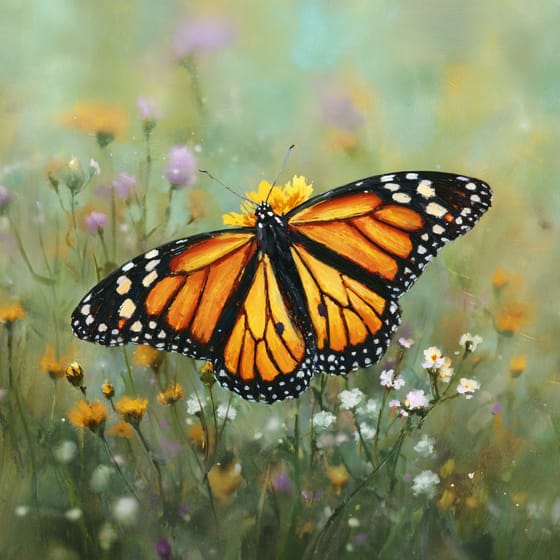
Danaus plexippus
Drinks nectar to fuel its long migrations.
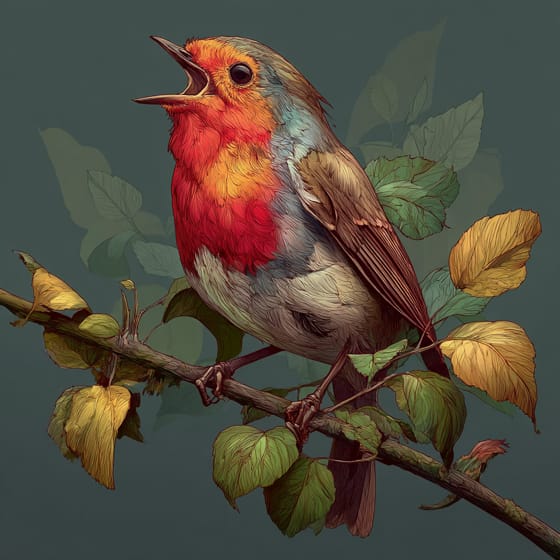
Turdus migratorius
Consumes its small berries, helping spread seeds.
Apis mellifera
Gathers nectar and pollen from its vibrant blooms.
Flowering plants are any plants that produce flowers as part of their reproductive cycle.
Ornamental plants are cultivated primarily for their aesthetic appeal, enhancing landscapes and gardens with their attractive foliage, flowers, or form.
A shrub is a woody plant smaller than a tree, typically with multiple stems branching from or near the ground.
Evergreen plants retain their foliage throughout the year, never shedding all their leaves at once.

Fragrant flowers emit a pleasant aroma, often to attract pollinators or for defense.

Colorful describes organisms or objects displaying a wide range of bright and distinct colors.

Edible plants are those parts of a plant that are considered safe for human consumption.

Describes plants that are particularly attractive and beneficial to a wide range of pollinating organisms.

This habitat trait indicates species that can coexist with humans in urban and suburban environments, utilizing man-made structures and green spaces.
Danger
1/5 · Very low
Always ask an adult before touching or tasting plants.
The easiest way to identify Firebush is to use the Snappit nature identifier app.
150-450 cm
150-300 cm
2-3 cm
Year-round (tropical), Summer-Fall (temperate)
Yes
None
Perennial
Zoom in to split clusters and explore where this object has been snapped.

Florida, US
You might spot Atala, Monarch, and Brown Anole.
View guide →

Florida, US
You might spot American Alligator, Brown Anole, and Red-Shouldered Hawk.
View guide →

Florida, US
You might spot Macaques, Squirrel Monkeys, and Blackcap.
View guide →

Florida, US
You might spot Green Iguana, Brown Basilisk, and Great Blue Heron.
View guide →

Florida, US
You might spot Brown Anole, Osprey, and White Ibis.
View guide →
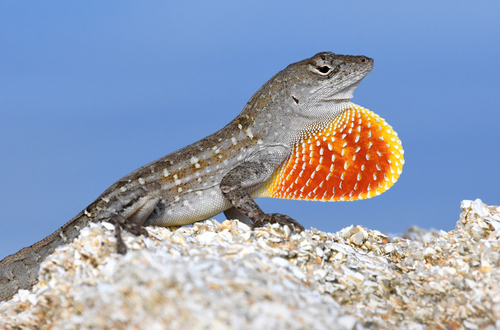
Florida, US
You might spot Brown Anole, Shiny-Leaved Wild Coffee, and Firebush.
View guide →
Take the discovery with you
Snap it with Snappit to identify it, learn what makes it special, and add the discovery to your collection.








.jpg&width=800)


_001.jpg&width=800)


