





Pacific Loon
Gavia pacifica
The Pacific Loon is a beautiful bird that loves to swim in cold waters. It has a long, pointed beak and can dive deep to catch fish. These birds are known for their lovely calls that sound like laughter!
Habitat: Coastal areas
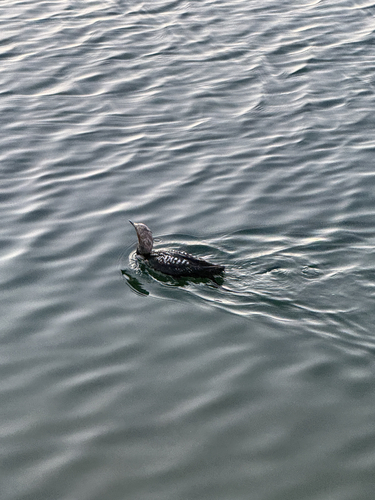
The Pacific Loon has a sleek, torpedo-shaped body. In summer, it features a grey head, black throat with fine white stripes, and a striking black-and-white checkered back. Its white belly contrasts with its dark upperparts, making it distinct from other loon species.
Category
BirdsRarity
Common
Danger
1/5 · Very low
Snaps
6
Baby loons can swim and dive just hours after hatching!
Pacific Loons build their nests right at the water's edge.
Their strong, spear-like beak helps them catch slippery fish.
They can sink almost completely underwater, like a submarine!
Pacific Loons can hold their breath for over a minute to chase fish deep underwater.
Pacific Loons have denser bones than other birds, which helps them sink and stay submerged easily.
They have special eyelids that act like goggles, helping them see clearly while hunting underwater.
They mainly eat fish, chasing them underwater with amazing speed and skill.
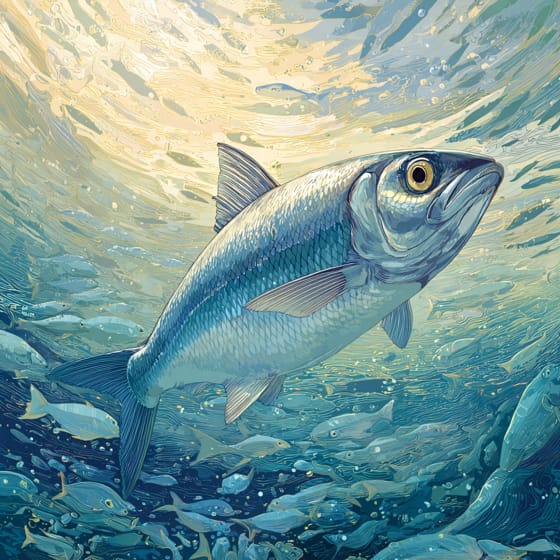
Clupea pallasii
Main food source in marine environments.
Gadus chalcogrammus
Another common fish prey for loons.

Haliaeetus leucocephalus
Predator of eggs, chicks, and sometimes adults.
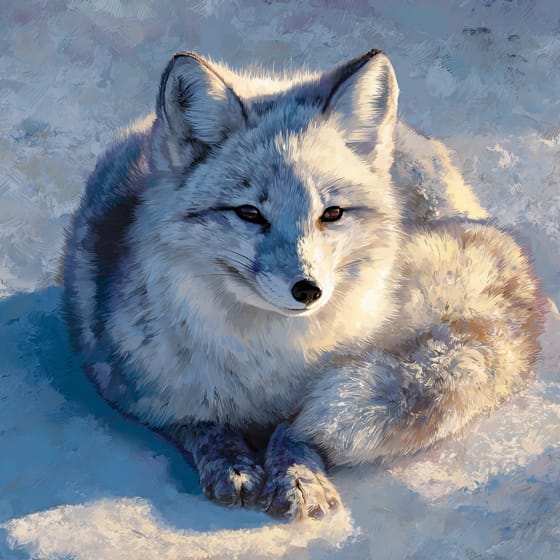
Vulpes lagopus
Opportunistic predator of loon eggs and chicks.
Feathered describes animals, primarily birds, possessing a covering of feathers.
Characterized by having toes connected by a membrane, typically aiding in swimming.
Singing animals produce complex vocalizations, often for purposes of attracting mates, defending territory, or communicating within their species.
Piscivorous organisms are animals that primarily subsist on a diet of fish.

Coastal habitats are dynamic environments located along the interface between land and sea, influenced by tides, waves, and saltwater.

Diurnal animals are primarily active during daylight hours, typically resting or sleeping at night.

This trait identifies organisms that exhibit exceptional swiftness in movement for hunting, escape, or travel.

Aquatic habitats encompass environments where organisms live predominantly in water, including oceans, rivers, lakes, and wetlands.

Migratory animals undertake seasonal movements from one region to another, typically in response to changes in climate or food availability.
No aliases listed yet.
Danger
1/5 · Very low
Always watch birds from a distance and don't try to touch them.
The easiest way to identify Pacific Loon is to use the Snappit nature identifier app.
58-74 cm
110-128 cm
1-2.5 kg
15-20 years
100 km/h
They mainly eat fish, chasing them underwater with amazing speed and skill.
Coastal areas
Zoom in to split clusters and explore where this object has been snapped.
Jun 7, 2026
Santa Barbara ZooPhoto attribution
(c) Sergei Maslov, some rights reserved (CC BY-SA)
License: CC BY-SA 4.0 ↗
Image may be shown cropped inside the card frame.

California, US
You might spot Giraffes, African Lion, and Gorilla.
View guide →

Alaska, US
You might spot Moose, Fly Agaric, and Bald Eagle.
View guide →
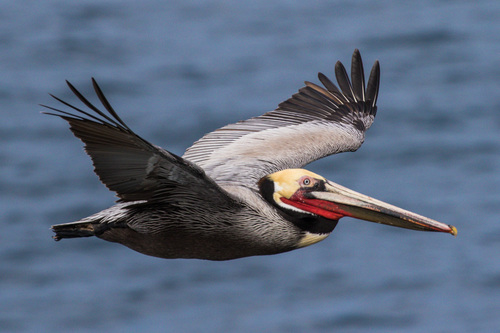
California, US
You might spot Brown Pelican, Black-Crowned Night Heron, and Western Gull.
View guide →

California, US
You might spot Slender Banana Slug, Western Gull, and Red-Tailed Hawk.
View guide →

California, US
You might spot Pacific Hairy Hermit Crab, Sea Urchin, and Sea Cucumber.
View guide →

US
You might spot Humpback Whale, Steller Sea Lion, and Orca.
View guide →
Take the discovery with you
Snap it with Snappit to identify it, learn what makes it special, and add the discovery to your collection.




.jpg&width=800)








