





pale smartweed
Persicaria lapathifolia
Pale smartweed is a tall plant with green leaves and tiny pink flowers. It often grows near water and is great for helping insects like butterflies and bees.
Habitat: Wetlands
The pale smartweed has slender, often reddish stems and lance-shaped leaves that typically display a dark, thumb-print like blotch in the center. Its tiny, greenish-white to pale pink flowers grow in dense, upright spikes at the top of the plant, making it look delicate.
Category
PlantsRarity
Common
Danger
1/5 · Very low
Snaps
6
Its seeds are a super snack for many wetland birds, keeping them strong!
Look closely for a cool dark 'thumbprint' blotch often found on its leaves!
Pale smartweed helps stabilize soil along riverbanks, preventing erosion!
This plant is related to buckwheat, which is used to make tasty pancakes!
Pale smartweed seeds can stay dormant for decades in soil, waiting for perfect conditions to sprout and grow.
This plant can thrive in very wet soils, like those found near ponds and streams, helping it survive where others can't.
Pale smartweed can quickly grow and spread in disturbed areas, acting as a pioneer plant to establish itself fast.
Anas platyrhynchos
Eats its plentiful seeds.
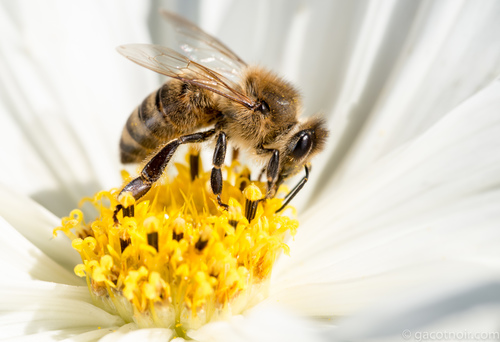
Apis mellifera
Visits its tiny flowers for nectar.
Gastrophysa polygoni
Larvae and adults feed on its leaves.
Ornamental plants are cultivated primarily for their aesthetic appeal, enhancing landscapes and gardens with their attractive foliage, flowers, or form.
Cluster flowers are inflorescences where individual flowers are arranged closely together on a common stem.
Spring blooming plants produce their flowers during the spring season, often signifying the end of winter and the start of new growth.
Describes plants that are particularly attractive and beneficial to a wide range of pollinating organisms.

This habitat trait identifies species found in wetlands, which are areas of land saturated with water, either permanently or seasonally, including marshes, swamps, and bogs.
No aliases listed yet.
Danger
1/5 · Very low
Always wash your hands after touching plants, just to be safe!
The easiest way to identify pale smartweed is to use the Snappit nature identifier app.
30-100 cm
20-50 cm
0.2-0.3 cm
Summer to fall
Yes
None
Annual
Zoom in to split clusters and explore where this object has been snapped.

New Jersey, US
You might spot Eastern Gray Squirrel and Canada Goose.
View guide →

Kansas, US
You might spot Tiger, Sloth Bear, and Panthera Pardus Orientalis.
View guide →

Kansas, US
You might spot African Elephant, Gorilla, and Panthera Pardus Orientalis.
View guide →
Missouri, US
You might spot Bee and Common Eastern Bumble Bee.
View guide →

Illinois, US
You might spot Butterfly Milkweed and Prairie Blazing Star.
View guide →

Indiana, US
You might spot American Pokeweed, Monarch, and Chinese Mantis.
View guide →
Take the discovery with you
Snap it with Snappit to identify it, learn what makes it special, and add the discovery to your collection.








.jpg&width=800)



_001.jpg&width=800)




