.jpg&width=800)





Palm Warbler
Setophaga palmarum
The Palm Warbler is a small, cheerful bird that loves to hop around on the ground. With its bright yellow belly and cute little tail, it’s a fun sight to see in gardens and parks!
Habitat: Wetlands
The Palm Warbler is a small songbird with brownish-olive upperparts and pale yellow underparts streaked with brown. Its most distinguishing features are its bright yellow undertail coverts and a rich chestnut cap on breeding males, making it stand out visually.
Category
BirdsRarity
Common
Danger
1/5 · Very low
Snaps
21
Palm Warblers are champion tail-waggers, constantly bobbing their tails up and down!
Some Palm Warblers travel over 3,000 miles from chilly Canada to warm Caribbean beaches!
They often nest directly on the ground, cleverly hidden among moss and grass!
This warbler got its name because it was first spotted in a palm grove!
Palm Warbler can travel thousands of kilometers because of its strong wings and efficient flight, helping it find food in different climates.
Palm Warbler has a slender, pointed bill that helps it skillfully pluck insects from leaves and air, ensuring a rich diet.
Palm Warbler can switch its diet from insects to berries because of its flexible foraging strategy, helping it survive seasonal food changes.
This energetic bird enjoys a meal of insects, especially during breeding, and tasty berries in winter.

Accipiter striatus
A small raptor that preys on songbirds like the warbler.
Thamnophis sirtalis
Ground-nesting birds and their young can be vulnerable.
Culex pipiens
Eats various insect species, including mosquitoes, for protein.
Vaccinium corymbosum
Consumes berries, especially during migration and winter.
Feathered describes animals, primarily birds, possessing a covering of feathers.
Social animals live in organized groups, cooperating for survival benefits such as foraging, defense, and raising offspring.
Singing animals produce complex vocalizations, often for purposes of attracting mates, defending territory, or communicating within their species.
Colorful describes organisms or objects displaying a wide range of bright and distinct colors.

This trait identifies organisms whose diet primarily consists of insects and other small invertebrates.

This habitat trait identifies species found in wetlands, which are areas of land saturated with water, either permanently or seasonally, including marshes, swamps, and bogs.

Diurnal animals are primarily active during daylight hours, typically resting or sleeping at night.

Migratory animals undertake seasonal movements from one region to another, typically in response to changes in climate or food availability.
No aliases listed yet.
Danger
1/5 · Very low
Always watch birds from a distance and don’t try to touch them.
The easiest way to identify Palm Warbler is to use the Snappit nature identifier app.
12-14 cm
20-23 cm
0.009-0.015 kg
2-5 years
35 km/h
This energetic bird enjoys a meal of insects, especially during breeding, and tasty berries in winter.
Wetlands
Zoom in to split clusters and explore where this object has been snapped.

New York, US
You might spot Bald Eagle, Common Eastern Bumble Bee, and Red-Tailed Hawk.
View guide →

Illinois, US
You might spot Eastern Fox Squirrel, Amur Honeysuckle, and Poison Hemlock.
View guide →

Florida, US
You might spot American Beautyberry and Brown Anole.
View guide →

Florida, US
You might spot Brown Anole, White Ibis, and Anhinga.
View guide →

Illinois, US
You might spot Ivory Gull, Bald Eagle, and Eastern Fox Squirrel.
View guide →
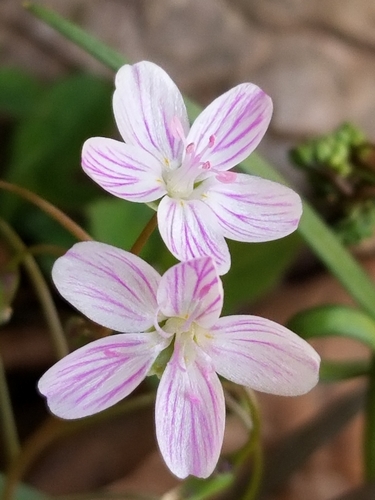
New Jersey, US
You might spot Virginia Springbeauty, Wineberry, and Multiflora Rose.
View guide →
Take the discovery with you
Snap it with Snappit to identify it, learn what makes it special, and add the discovery to your collection.




.jpg&width=800)







