Plain-bellied Watersnake
Nerodia erythrogaster
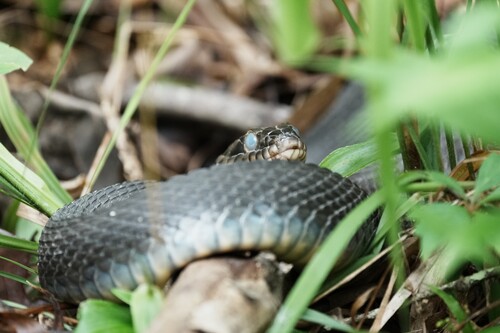
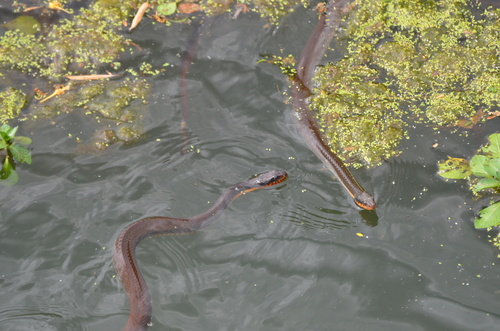
The Plain-bellied Watersnake is a friendly snake that loves to swim! It has a smooth, shiny body that can be brown or gray, and it often hides near water to catch its favorite food, which is fish.
Habitat: Wetlands
The Plain-bellied Watersnake is a medium to large snake with a striking solid, unmarked belly that can be yellow, orange, or reddish. Its back is typically a uniform brown, gray, or olive, often lacking distinct patterns in adults, which makes it visually different from many banded watersnake species.
Category
ReptilesRarity
Common
Danger
1/5 · Very low
Snaps
16
Even though they have "watersnake" in their name, they can climb trees to bask too!
Their bellies can be bright red, orange, or yellow, making them look very fancy!
They give birth to live babies, not eggs, up to 30 at once!
Young Plain-bellied Watersnakes often have faint patterns that disappear as they grow.
Plain-bellied Watersnake can hunt under the water because it can hold its breath, which helps them catch fish and frogs.
Plain-bellied Watersnake has a plain back coloration that helps them blend perfectly with murky water and riverbeds.
Plain-bellied Watersnake can release a strong-smelling musk when threatened, which helps them deter predators.
They are expert hunters, mostly feasting on fish, frogs, and salamanders they catch in the water.
Lithobates catesbeianus
Preys on frogs and their tadpoles.
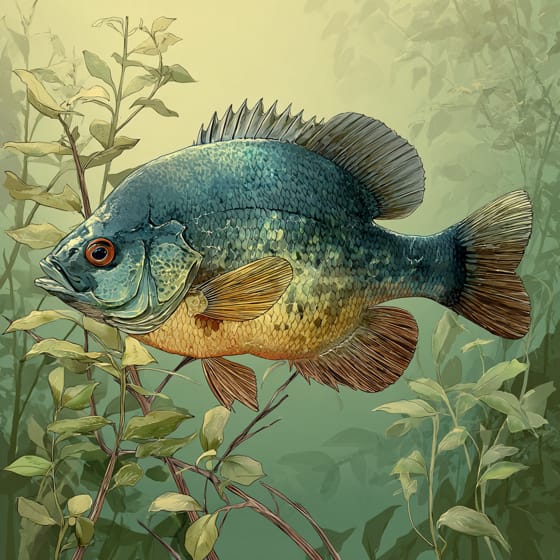
Lepomis macrochirus
Eats various small fish species.
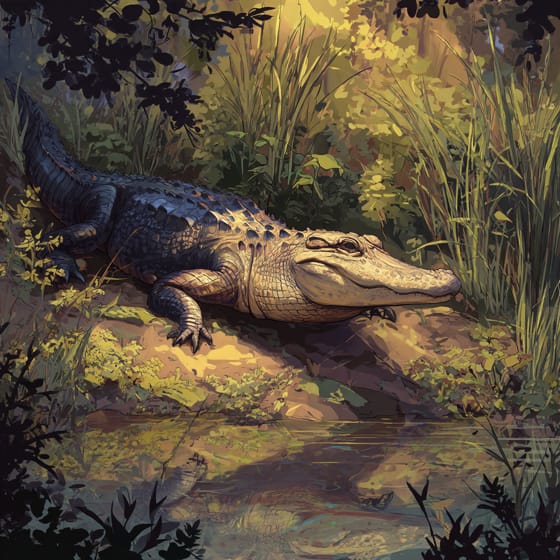
Alligator mississippiensis
A major predator in their wetland homes.
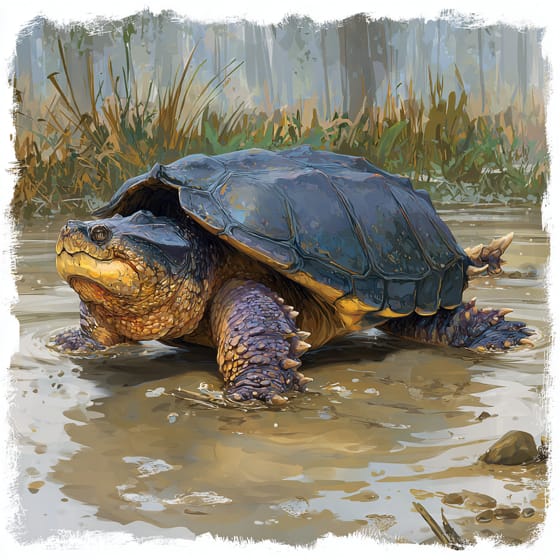
Chelydra serpentina
Large turtles can prey on watersnakes.
Solitary animals live alone for most of their lives, only interacting with others for mating or parental care.
Camouflaged describes organisms that possess coloring or patterns that allow them to blend into their environment.
Piscivorous organisms are animals that primarily subsist on a diet of fish.
This habitat trait identifies species found in wetlands, which are areas of land saturated with water, either permanently or seasonally, including marshes, swamps, and bogs.

Diurnal animals are primarily active during daylight hours, typically resting or sleeping at night.

Freshwater habitats include non-saline aquatic environments such as rivers, lakes, ponds, and wetlands, vital for numerous species.
No aliases listed yet.
Danger
1/5 · Very low
If you see a snake, it's best to watch from a distance and not touch it.
The easiest way to identify Plain-bellied Watersnake is to use the Snappit nature identifier app.
76-150 cm
0.5-1.5 kg
10-15 years
5 km/h
They are expert hunters, mostly feasting on fish, frogs, and salamanders they catch in the water.
4 km/h
Wetlands
Zoom in to split clusters and explore where this object has been snapped.
Jun 7, 2026
Locust Grove State Historic SitePhoto attribution
(c) Brandon Johnson, some rights reserved (CC BY)
License: CC BY 4.0 ↗
Image may be shown cropped inside the card frame.
Apr 25, 2026
Columbia CanalPhoto attribution
(c) Grant Foster, some rights reserved (CC BY)
License: CC BY 4.0 ↗
Image may be shown cropped inside the card frame.

South Carolina, US
You might spot American Alligator, Anole, and Great Blue Heron.
View guide →

Oklahoma, US
You might spot Western Ratsnake and Spotted Chorus Frog.
View guide →

South Carolina, US
You might spot Great Blue Heron, Spanish Moss, and Cahaba Lily.
View guide →

Virginia, US
You might spot Eastern Tiger Swallowtail, Fowler's Toad, and Monarch.
View guide →

Kansas, US
You might spot American Robin, Monarch, and Italian Wall Lizard.
View guide →

Louisiana, US
You might spot Mississippi River Wakerobin and Lyreleaf Sage.
View guide →
Take the discovery with you
Snap it with Snappit to identify it, learn what makes it special, and add the discovery to your collection.