_Peten.jpg&width=800)





Plain Chachalaca
Ortalis vetula
The Plain Chachalaca is a fun bird that loves to make loud sounds! It has a long tail and a brownish body, making it easy to spot in the trees where it lives.
Habitat: Forests
The Plain Chachalaca is a medium-sized bird with a slender, chicken-like body and a long tail. It has dull gray-brown plumage, darker on the back and lighter on the belly. Rufous primary feathers are visible in flight. Its small head is grayish, sometimes with subtle pale blue bare skin around the eye.
Category
BirdsRarity
Common
Danger
1/5 · Very low
Snaps
3
Chachalacas sleep perched on high tree branches at night.
Sometimes a whole family group helps raise the chicks!
Their unique "cha-cha-lac-a" call often signals dawn!
They lay eggs with a bumpy, rough shell, unlike most birds!
Plain Chachalaca has extremely powerful vocal cords that allow them to produce loud, raucous calls heard over a kilometer away.
Plain Chachalacas can gracefully hop and run through dense tree branches because of their strong legs and gripping feet.
Plain Chachalacas disperse seeds across the forest because they eat many fruits, helping new plants grow.
This bird mainly enjoys eating fruits, seeds, flowers, and insects it finds in trees and on the ground.
Age differences: Chicks consume more protein-rich insects initially, gradually transitioning to an adult diet.
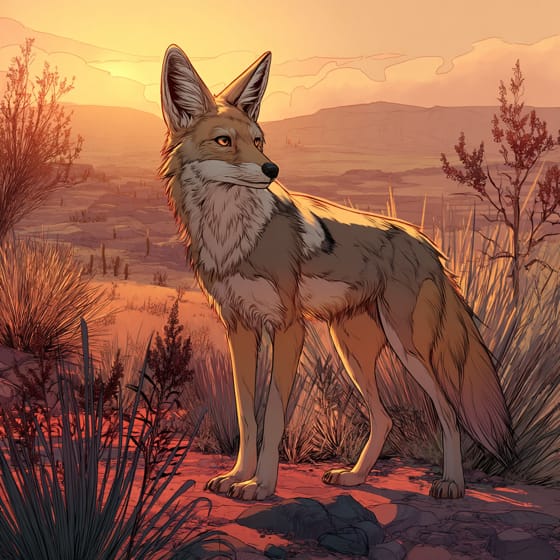
Canis latrans
hunts adults and takes eggs from nests.
.jpg&width=800)
Buteo lineatus
preys on chachalacas from above.
Ficus americana
fruits are a key food source, aids seed dispersal.

Schistocerca nitens
consumes insects for protein, especially chicks.
Feathered describes animals, primarily birds, possessing a covering of feathers.
Social animals live in organized groups, cooperating for survival benefits such as foraging, defense, and raising offspring.
Singing animals produce complex vocalizations, often for purposes of attracting mates, defending territory, or communicating within their species.
Arboreal animals live primarily in trees, utilizing them for shelter, food, and protection from predators.

This trait characterizes organisms whose diet consists entirely or primarily of plant material.

Forest habitats are terrestrial environments dominated by dense tree cover, supporting a high diversity of plant and animal life.

Diurnal animals are primarily active during daylight hours, typically resting or sleeping at night.
No aliases listed yet.
Danger
1/5 · Very low
Enjoy watching birds from a distance, and don't try to touch them.
The easiest way to identify Plain Chachalaca is to use the Snappit nature identifier app.
48-58 cm
60-65 cm
0.4-0.8 kg
8-10 years
35 km/h
This bird mainly enjoys eating fruits, seeds, flowers, and insects it finds in trees and on the ground.
Forests
Zoom in to split clusters and explore where this object has been snapped.
Take the discovery with you
Snap it with Snappit to identify it, learn what makes it special, and add the discovery to your collection.






.jpg&width=800)







