





Plains Pocket Gopher
Geomys bursarius
The Plains Pocket Gopher is a small, burrowing animal that loves to dig in the ground. It has big cheek pouches to store food and is known for making tunnels underground!
Habitat: Grasslands
The Plains Pocket Gopher has short, brownish-gray to reddish-brown fur, small eyes, and a short, nearly hairless tail. Its most distinctive features are the large, fur-lined cheek pouches on each side of its head, used for carrying food.
Category
MammalsRarity
Common
Danger
1/5 · Very low
Snaps
Be the first to snap!
Plains Pocket Gophers can dig over 100 feet of tunnels in just one day!
Their entire underground home can stretch longer than a football field!
These tiny engineers push excavated dirt behind them using their powerful hind legs!
They can close their lips behind their teeth to chew roots without getting dirt in their mouths!
Plains Pocket Gopher can dig incredibly fast using its powerful claws and strong front teeth that helps them create extensive burrow systems.
Plains Pocket Gopher has large, fur-lined cheek pouches that helps them carry lots of food back to their underground pantries.
Plains Pocket Gopher can seal its burrow entrances quickly with soil that helps them hide from predators and regulate tunnel temperature.
They mostly eat plant roots, tubers, and grasses from their underground tunnels.

Taxidea taxus
A key predator that digs into gopher tunnels.
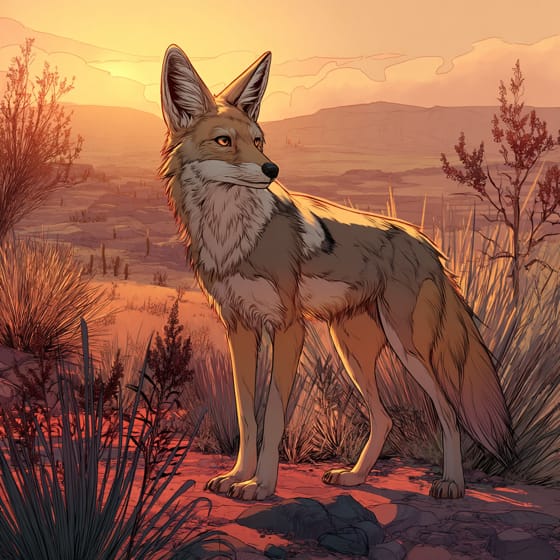
Canis latrans
Preys on gophers when they venture above ground.
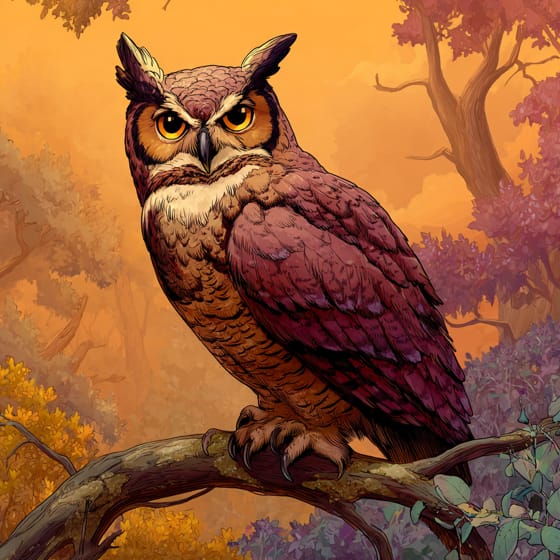
Bubo virginianus
Hunts gophers, especially at dawn or dusk.
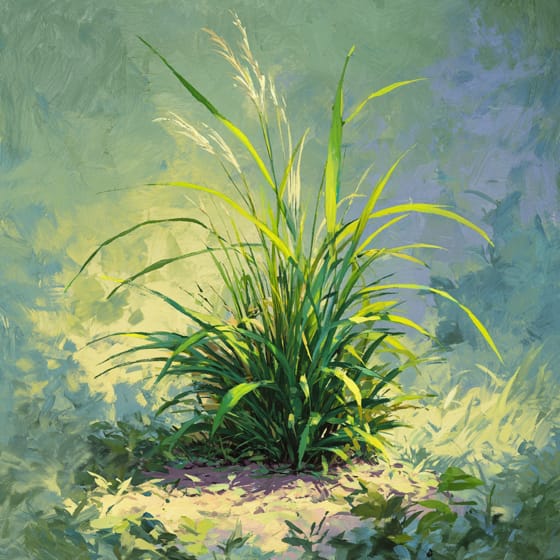
Poa pratensis
A common plant whose roots and stems are eaten.
Furry describes animals possessing a dense covering of soft hair or fur.
Solitary animals live alone for most of their lives, only interacting with others for mating or parental care.
Burrowing animals dig tunnels and chambers in the ground, using these subterranean structures for shelter, hunting, or breeding.
Grassland habitats are terrestrial biomes dominated by grasses and herbaceous plants, supporting a variety of grazing animals.

This trait characterizes organisms whose diet consists entirely or primarily of plant material.

Describes a species whose presence and role have a disproportionately large effect on its environment.
No aliases listed yet.
Danger
1/5 · Very low
If you see a gopher hole, don't stick your hands in! They are shy and like to stay underground.
The easiest way to identify Plains Pocket Gopher is to use the Snappit nature identifier app.
15-22 cm
0.2-0.5 kg
2-5 years
10 km/h
They mostly eat plant roots, tubers, and grasses from their underground tunnels.
Grasslands
Foraging
Zoom in to split clusters and explore where this object has been snapped.
Recent snaps will appear here as new observations are added.
Take the discovery with you
Snap it with Snappit to identify it, learn what makes it special, and add the discovery to your collection.




.jpg&width=800)



.JPG&width=800)
.jpg&width=800)
