





red baneberry
Actaea rubra
Red baneberry is a plant with bright red berries that look like little jewels! It grows in shady places and is often found in forests. The berries are pretty but should not be eaten.
Habitat: Forests
The red baneberry is an erect plant with sharply toothed, compound leaves. It features bottlebrush-like clusters of small, fuzzy white flowers in spring. Its most striking feature is the clusters of glossy, bright red berries, each with a distinctive black dot, making them resemble tiny doll's eyes.
Category
PlantsRarity
Common
Danger
4/5 · High
Snaps
7
Before the berries appear, this plant has fluffy white flowers that look like tiny bottle brushes!
Its bright red berries look like tiny doll's eyes, even having a black 'pupil' dot!
Underground, it has roots that spread out to help it pop up in new spots year after year!
While toxic to humans, many birds can safely gobble up its berries for a tasty snack!
Red baneberry has bright red berries that attract birds, helping it spread its seeds far and wide to new locations.
Red baneberry's leaves and berries contain toxic compounds that protect it from most animals trying to eat them.
Red baneberry has strong underground rhizomes that allow it to spread and form new plants, even after harsh winters.
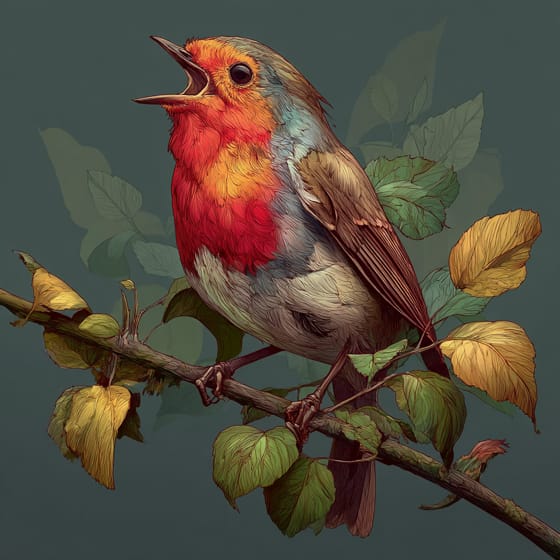
Turdus migratorius
Robins consume its berries for food.
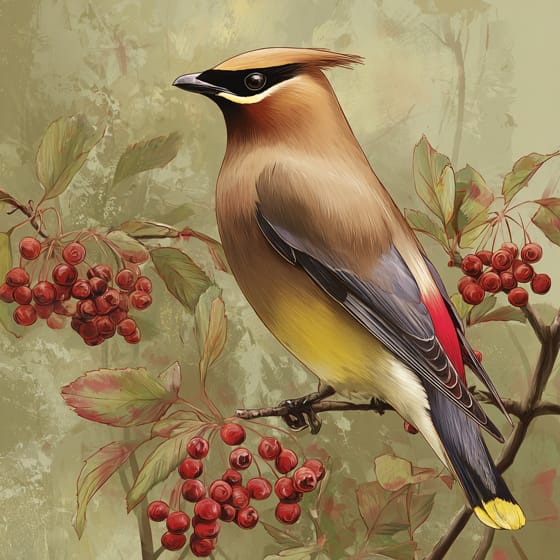
Bombycilla cedrorum
Waxwings feast on its ripe fruits.
Bombus impatiens
Bees collect nectar from its flowers.
Deciduous plants periodically shed all their leaves, typically during autumn or dry seasons.
Flowering plants are any plants that produce flowers as part of their reproductive cycle.
Shade tolerant plants are adapted to grow and thrive in areas with low light levels, requiring less direct sunlight.
A shrub is a woody plant smaller than a tree, typically with multiple stems branching from or near the ground.

Fruit-bearing plants produce fruits, which are the mature ovaries of flowering plants containing seeds.

Colorful describes organisms or objects displaying a wide range of bright and distinct colors.

Forest habitats are terrestrial environments dominated by dense tree cover, supporting a high diversity of plant and animal life.

Toxic organisms contain substances that are poisonous and can cause adverse effects upon exposure.

Poisonous organisms produce toxins that can cause harm when ingested, inhaled, or absorbed through contact.
Danger
4/5 · High
Do not touch or eat the berries, as they can be harmful.
The easiest way to identify red baneberry is to use the Snappit nature identifier app.
30-90 cm
30-60 cm
0.5-1 cm
Spring
No
High
Perennial
Zoom in to split clusters and explore where this object has been snapped.

Massachusetts, US
You might spot Common Eastern Bumble Bee and Eastern Skunk Cabbage.
View guide →

Montana, US
You might spot Great Blanketflower and Seven-Spotted Lady Beetle.
View guide →

Alaska, US
You might spot Moose, Devil's Club, and Red-Berried Elder.
View guide →

Minnesota, US
You might spot Common Eastern Bumble Bee and Turkey.
View guide →

Colorado, US
You might spot Elk, Mule Deer, and Black-Billed Magpie.
View guide →

Minnesota, US
You might spot Rue Anemone, Bloodroot, and White-Tailed Deer.
View guide →
Take the discovery with you
Snap it with Snappit to identify it, learn what makes it special, and add the discovery to your collection.






.jpg&width=800)



_001.jpg&width=800)



