





Red Sand Spurrey
Spergularia rubra
Red Sand Spurrey is a small plant that grows close to the ground. It has tiny, bright green leaves and pretty pink flowers that bloom in the summer. This plant loves sandy places and can often be found near beaches.
Habitat: Coastal areas
The Red Sand Spurrey is a low-growing plant with slender, reddish stems spreading close to the ground. It has small, narrow, somewhat fleshy leaves and bears tiny, star-shaped flowers that are typically pink or purplish-pink, sometimes white.
Category
PlantsRarity
Common
Danger
1/5 · Very low
Snaps
9
Even though it loves sand, you can sometimes find it growing in cracks on city pavements!
Its seeds are so small, you'd need hundreds to fill a thimble!
The name "spurrey" comes from an old word meaning "to scatter," perhaps for its spreading growth!
This tiny plant can sprout quickly after rain, making it a pioneer in barren landscapes!
Red Sand Spurrey can grow in very poor, sandy, or disturbed soils that other plants avoid, helping it survive in harsh places.
Its roots are excellent at finding and holding onto moisture in dry, sandy ground, making it tough in sunny, arid spots.
Red Sand Spurrey can tolerate salty soils and coastal air, thriving where ocean spray might harm other plants.
Apis mellifera
Visits flowers for nectar and pollen.
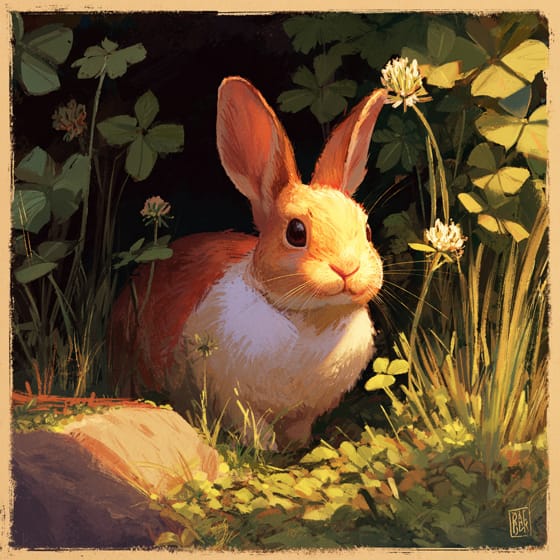
Oryctolagus cuniculus
Graze on the leaves and stems of the plant.
Linaria cannabina
Feeds on the small, abundant seeds.
Flowering plants are any plants that produce flowers as part of their reproductive cycle.
Summer blooming plants produce their flowers during the summer season, often providing vibrant color when many other plants have finished.
Salt tolerant plants can withstand and grow in conditions with elevated salinity levels in the soil or water.
Drought-tolerant plants can survive and flourish in conditions with limited water availability.

Describes plants that are particularly attractive and beneficial to a wide range of pollinating organisms.

Coastal habitats are dynamic environments located along the interface between land and sea, influenced by tides, waves, and saltwater.

Describes a species whose presence and role have a disproportionately large effect on its environment.
No aliases listed yet.
Danger
1/5 · Very low
Always look but don't touch plants unless you know they are safe.
The easiest way to identify Red Sand Spurrey is to use the Snappit nature identifier app.
5-20 cm
5-30 cm
0.5-1 cm
Spring to Autumn
Yes
None
Annual
Zoom in to split clusters and explore where this object has been snapped.

Massachusetts, US
You might spot Turkey, Garter Snake, and Multiflora Rose.
View guide →

Massachusetts, US
You might spot Common Eastern Bumble Bee and Eastern Gray Squirrel.
View guide →
.jpg)
Ústí nad Labem Region, CZ
You might spot Bears, South American Tapir, and Macaques.
View guide →

New York, US
You might spot White-Tailed Deer, Eastern Skunk Cabbage, and Duck.
View guide →

Massachusetts, US
You might spot Common Eastern Bumble Bee and Asian Lady Beetle.
View guide →

Massachusetts, US
You might spot Painted Turtle, American Pokeweed, and Canada Goose.
View guide →
Take the discovery with you
Snap it with Snappit to identify it, learn what makes it special, and add the discovery to your collection.








.jpg&width=800)



_001.jpg&width=800)




