





Red-spotted Toad
Anaxyrus punctatus
The Red-spotted Toad is a small, bumpy toad with bright red spots. They love to hop around in wet areas and are great at blending in with their surroundings!
Habitat: Wetlands
The Red-spotted Toad is a small amphibian with a flat head and large, prominent eyes. Its warty skin is typically gray, tan, or olive, adorned with striking brick-red or orange spots. These unique markings make it easily distinguishable.
Category
AmphibiansRarity
Common
Danger
1/5 · Very low
Snaps
11
Male toads sing a high, musical trill for up to 10 seconds!
Their tadpoles can speed up growth if their temporary pond shrinks!
These desert dwellers have eyes with unique horizontal pupils!
They are one of the few amphibians that thrive in dry, rocky deserts!
Red-spotted Toads have special glands that release a mild toxin, which helps them deter hungry predators.
Red-spotted Toads can absorb water directly through their skin, allowing them to hydrate without needing to drink.
Red-spotted Toads can dig into loose soil using their hind legs, helping them find cool shelters and escape danger.
Red-spotted Toads are tiny hunters, feasting on small insects and other invertebrates.
Age differences: Tadpoles eat algae; adults hunt insects.

Thamnophis elegans
Garter snakes are known predators of various amphibians.

Bubo virginianus
Owls are nocturnal predators that hunt many small animals.
Pogonomyrmex barbatus
Ants are a common and abundant food source for toads.
Eleodes obscura
Various beetles are a frequent part of the toad's diet.
Marked with spots or patches of a different color.
Solitary animals live alone for most of their lives, only interacting with others for mating or parental care.
Camouflaged describes organisms that possess coloring or patterns that allow them to blend into their environment.
Colorful describes organisms or objects displaying a wide range of bright and distinct colors.

This trait identifies organisms whose diet primarily consists of insects and other small invertebrates.

This habitat trait identifies species found in wetlands, which are areas of land saturated with water, either permanently or seasonally, including marshes, swamps, and bogs.

Nocturnal animals are primarily active during the nighttime hours, typically resting or sleeping during the day.
No aliases listed yet.
Danger
1/5 · Very low
Always wash your hands after touching a toad, as their skin can be sensitive.
The easiest way to identify Red-spotted Toad is to use the Snappit nature identifier app.
3.7-8.7 cm
0.01-0.03 kg
3-10 years
0.5 km/h
Red-spotted Toads are tiny hunters, feasting on small insects and other invertebrates.
Wetlands
Ambush
Zoom in to split clusters and explore where this object has been snapped.

Colorado, US
You might spot Common Side-Blotched Lizard and Eastern Collared Lizard.
View guide →

Arizona, US
You might spot Saguaro and Graham's Nipple Cactus.
View guide →

Arizona, US
You might spot Saguaro, Fishhook Barrel Cactus, and Desert Spiny Lizard.
View guide →

Texas, US
You might spot Canada Goose, Duck, and Pond Slider.
View guide →

Colorado, US
You might spot Common Side-Blotched Lizard and Eastern Collared Lizard.
View guide →
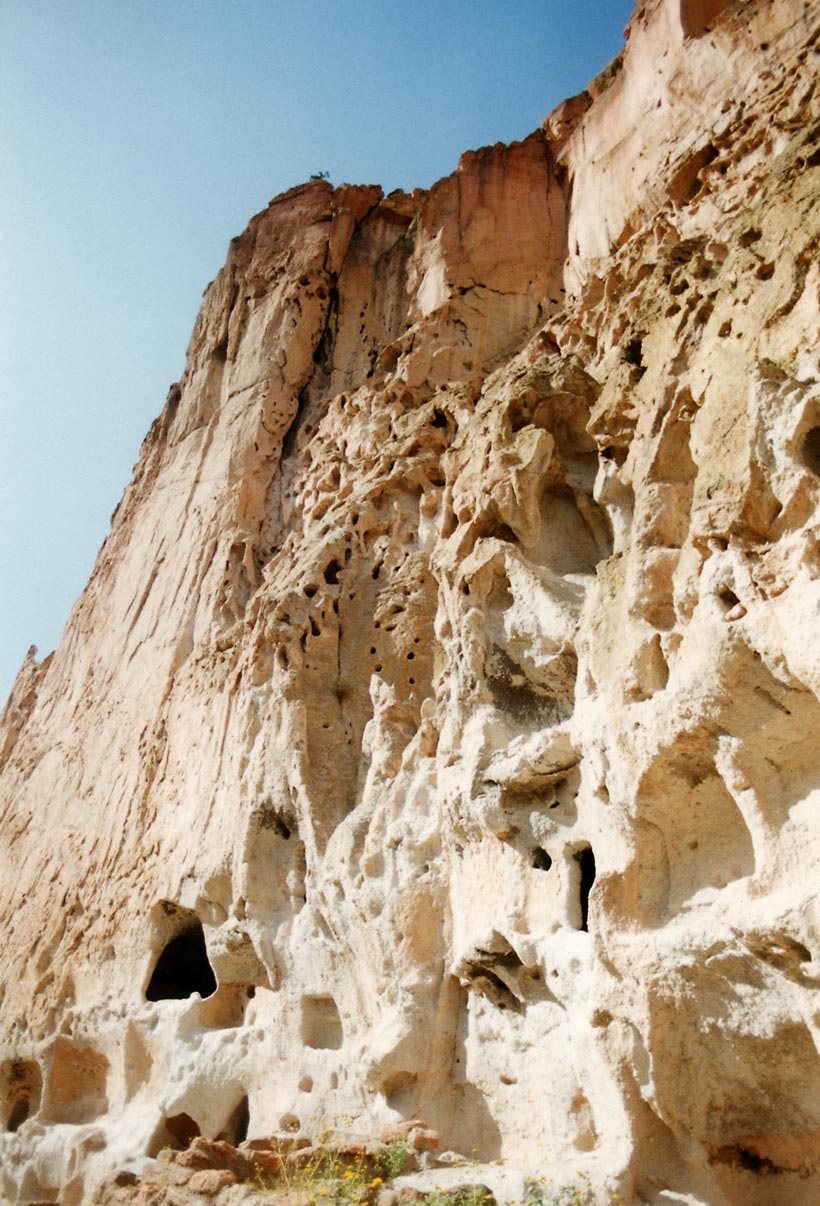
New Mexico, US
You might spot Tree Cholla, Mule Deer, and Sacred Datura.
View guide →
Take the discovery with you
Snap it with Snappit to identify it, learn what makes it special, and add the discovery to your collection.







.JPG&width=800)



.jpg&width=800)

