.jpg&width=800)





Reddish Egret
Egretta rufescens
The Reddish Egret is a beautiful bird with a striking reddish-brown color. It loves to hunt for fish in shallow waters and dances around to catch its meal!
Habitat: Coastal areas
The Reddish Egret has a shaggy, reddish-brown head and neck atop a slate-gray body. Its two-toned bill features a pinkish base with a dark tip. This medium-sized heron also has a rare all-white morph.
Category
BirdsRarity
Common
Danger
1/5 · Very low
Snaps
7
Believe it or not, some Reddish Egrets are completely white, not reddish at all!
Its bill actually changes color, becoming brighter pink or reddish during mating season!
Reddish Egrets perform a funny "dance" in the water to herd fish into easy catching range!
These are among the most active herons, often running and dashing while hunting for food!
Reddish Egret has a unique hunting "canopy" pose that helps them create shade to reduce glare and spot fish.
Reddish Egret can use quick, erratic movements that help them stir up the water, flushing small fish into view.
Reddish Egret has a sharp, dagger-like bill that helps them quickly snatch agile fish from shallow waters.
They love darting and dancing through shallow waters to catch tasty fish and small ocean critters.

Fundulus heteroclitus
A common prey fish in their estuarine habitats.
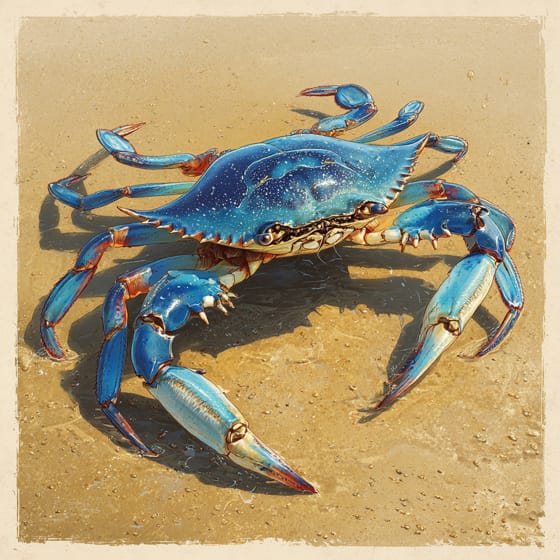
Callinectes sapidus
Opportunistic prey, especially smaller or molting crabs.
Palaemonetes pugio
Small crustaceans found abundantly in their foraging grounds.
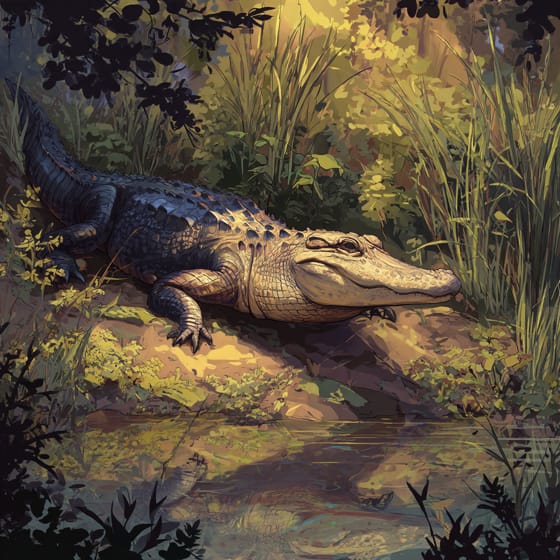
Alligator mississippiensis
May prey on egrets or their young in shared habitats.

Procyon lotor
Opportunistically preys on eggs and chicks in nests.
Feathered describes animals, primarily birds, possessing a covering of feathers.
Social animals live in organized groups, cooperating for survival benefits such as foraging, defense, and raising offspring.
Colorful describes organisms or objects displaying a wide range of bright and distinct colors.
Piscivorous organisms are animals that primarily subsist on a diet of fish.

An ambush predator hunts by patiently waiting and concealing itself, then launching a sudden attack when unsuspecting prey comes within range.

Coastal habitats are dynamic environments located along the interface between land and sea, influenced by tides, waves, and saltwater.

Diurnal animals are primarily active during daylight hours, typically resting or sleeping at night.

This trait identifies organisms that exhibit exceptional swiftness in movement for hunting, escape, or travel.

Aquatic habitats encompass environments where organisms live predominantly in water, including oceans, rivers, lakes, and wetlands.

Endangered status indicates a species is at a very high risk of extinction in the wild in the near future.
No aliases listed yet.
Danger
1/5 · Very low
Always watch birds from a distance and never try to touch them.
The easiest way to identify Reddish Egret is to use the Snappit nature identifier app.
68-82 cm
110-125 cm
0.36-0.5 kg
10-15 years
35 km/h
They love darting and dancing through shallow waters to catch tasty fish and small ocean critters.
Coastal areas
Zoom in to split clusters and explore where this object has been snapped.

California, US
You might spot Snowy Egret, Great Blue Heron, and Willet.
View guide →

California, US
You might spot Snowy Egret, Great Blue Heron, and Western Gull.
View guide →

US
You might spot Osprey, Laughing Gull, and Willet.
View guide →
Take the discovery with you
Snap it with Snappit to identify it, learn what makes it special, and add the discovery to your collection.




.jpg&width=800)







