





Scouler's Corydalis
Corydalis scouleri
Scouler's Corydalis is a beautiful flower with delicate, colorful blooms. It grows in shady places and adds a splash of color to the forest floor during springtime.
Habitat: Forests
The Scouler's Corydalis has delicate, fern-like leaves and clusters of unique, purplish-pink to white tubular flowers that hang downwards. Its distinct, spurred blooms make it easily recognizable among forest undergrowth, differentiating it from simple wildflowers.
Category
PlantsRarity
Common
Danger
1/5 · Very low
Snaps
2
Ants help spread its seeds far and wide!
It can thrive even in shady, damp forest spots!
Its delicate leaves look just like fern fronds!
Its unique flowers look like tiny, hanging lanterns!
Scouler's Corydalis has sturdy underground rhizomes that help it spread and store energy to survive harsh winters.
Scouler's Corydalis has special chemicals called alkaloids that help it defend against hungry animals trying to eat its leaves.
Scouler's Corydalis has uniquely shaped flowers with nectar spurs that guide specific insects and hummingbirds to pollinate them.
Bombus vosnesenskii
Feeds on nectar, helping reproduction.
.jpg&width=800)
Selasphorus rufus
Drinks nectar, carrying pollen between flowers.
Myrmica americana
Disperses seeds, attracted by a fatty elaiosome.
Flowering plants are any plants that produce flowers as part of their reproductive cycle.
Biennial plants complete their life cycle over two growing seasons, typically forming foliage in the first year and flowering/seeding in the second.
Shade tolerant plants are adapted to grow and thrive in areas with low light levels, requiring less direct sunlight.
Spring blooming plants produce their flowers during the spring season, often signifying the end of winter and the start of new growth.

Fragrant flowers emit a pleasant aroma, often to attract pollinators or for defense.

Medicinal plants possess chemical compounds that can be used for therapeutic purposes to treat illnesses or maintain health.

Colorful describes organisms or objects displaying a wide range of bright and distinct colors.

Describes plants that are particularly attractive and beneficial to a wide range of pollinating organisms.

Forest habitats are terrestrial environments dominated by dense tree cover, supporting a high diversity of plant and animal life.

Threatened status denotes a species likely to become endangered in the foreseeable future without effective conservation interventions.

Describes organisms that transfer pollen, enabling the fertilization and reproduction of plants.
No aliases listed yet.
Danger
1/5 · Very low
Do not touch or eat any flowers without asking an adult first.
The easiest way to identify Scouler's Corydalis is to use the Snappit nature identifier app.
30-100 cm
30-60 cm
1-2 cm
Spring
No
Moderate
Perennial
Zoom in to split clusters and explore where this object has been snapped.

Washington, US
You might spot Wood Duck, Rough-Skinned Newt, and Pacific Trillium.
View guide →

Oregon, US
You might spot Green Alkanet, Western Sword Fern, and Pacific Banana Slug.
View guide →

Washington, US
You might spot Devil's Club, Scouler's Corydalis, and Pacific Banana Slug.
View guide →
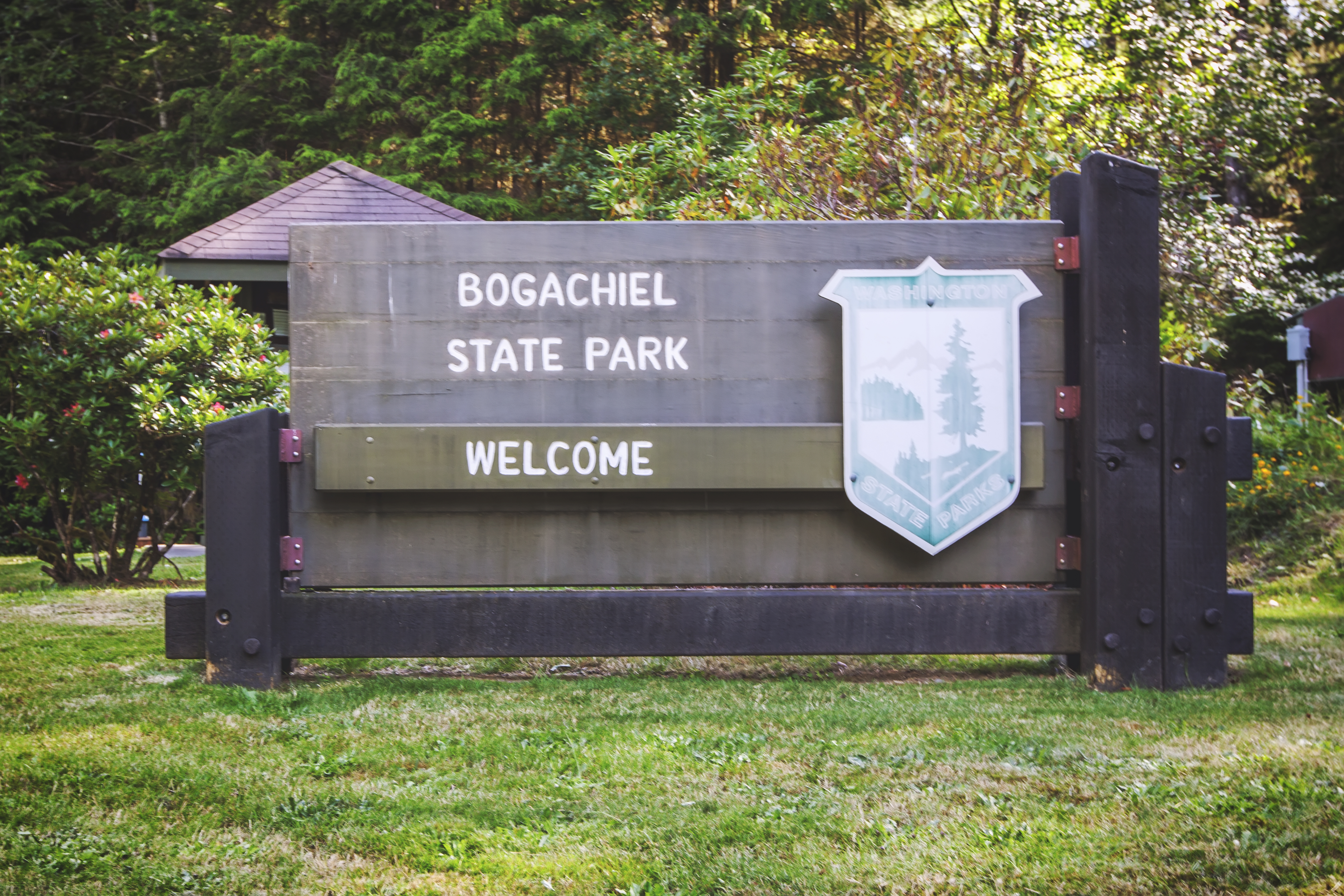
Washington, US
You might spot Pacific Banana Slug, Black Slug, and Salmonberry.
View guide →
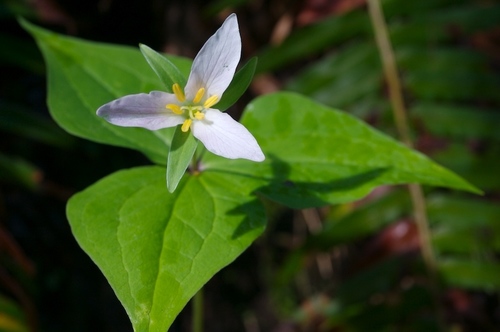
British Columbia, CA
You might spot Pacific Trillium, Coast Fawn Lily, and Western Sword Fern.
View guide →
Take the discovery with you
Snap it with Snappit to identify it, learn what makes it special, and add the discovery to your collection.







.jpg&width=800)


_001.jpg&width=800)



