





Short-billed Gull
Larus brachyrhynchus
The Short-billed Gull is a playful bird that loves to hang out near water. With its short, stubby bill, it can catch tasty fish and snacks from the shore!
Habitat: Coastal areas
The Short-billed Gull is a medium-sized gull with a clean white head and underparts, a grey back, and grey wings tipped with black. It has greenish-yellow legs and a distinctive short, slender yellow bill, which often shows a subtle dark band.
Category
BirdsRarity
Common
Danger
2/5 · Low
Snaps
6
Baby Short-billed Gulls wear fuzzy, spotted camouflage for hiding from predators.
In winter, their clean white heads turn streaky brown, like a subtle disguise!
Sometimes, they drop clams onto rocks from the air to crack them open!
They stomp their feet on the ground to trick worms into coming up!
Short-billed Gull has keen eyesight that helps them spot tiny fish and insects from high in the sky.
Short-billed Gull has waterproof feathers that keep them warm and dry, even after diving into chilly water.
Short-billed Gull can fly thousands of kilometers using an amazing sense of direction to find their winter homes.
Short-billed Gull can eat many different foods, helping them find meals in various habitats like coasts and fields.
These gulls are expert scavengers and hunters, eating almost anything they can find, from fish to insects!
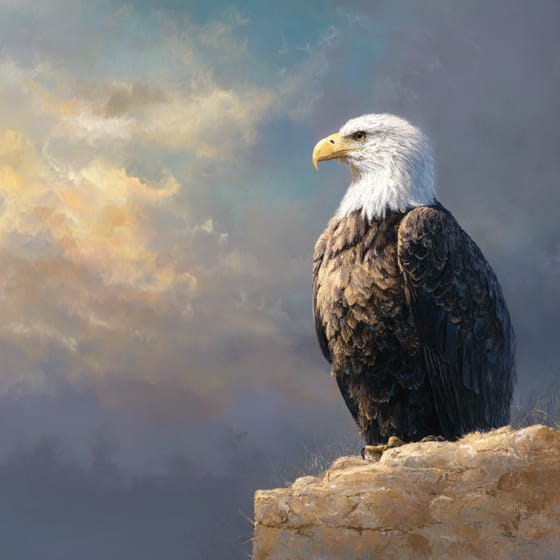
Haliaeetus leucocephalus
Eagles sometimes prey on adult gulls or steal their food.
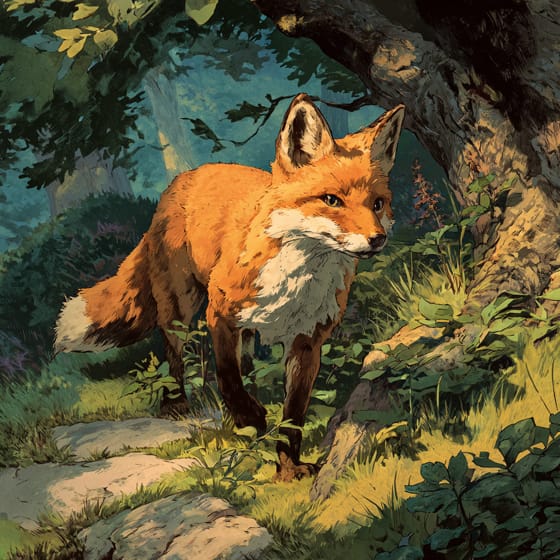
Vulpes vulpes
Foxes raid gull nests, preying on eggs and chicks.
Gasterosteus aculeatus
Gulls hunt these small fish in shallow waters.

Vaccinium ovatum
Gulls enjoy eating the sweet berries from these plants.
Feathered describes animals, primarily birds, possessing a covering of feathers.
Characterized by having toes connected by a membrane, typically aiding in swimming.
Social animals live in organized groups, cooperating for survival benefits such as foraging, defense, and raising offspring.
Aerial creatures spend a significant portion of their lives airborne, utilizing flight for various activities such as hunting, migration, or nesting.
Scavengers consume dead organic matter, helping to decompose carcasses and other waste in the ecosystem.
Gliding animals move through the air by launching themselves and maintaining flight with specialized body structures, without flapping wings.

Piscivorous organisms are animals that primarily subsist on a diet of fish.

Coastal habitats are dynamic environments located along the interface between land and sea, influenced by tides, waves, and saltwater.

Diurnal animals are primarily active during daylight hours, typically resting or sleeping at night.
No aliases listed yet.
Danger
2/5 · Low
Always watch gulls from a distance, as they can be protective of their food.
The easiest way to identify Short-billed Gull is to use the Snappit nature identifier app.
41-49 cm
104-124 cm
0.32-0.55 kg
10-20 years
60 km/h
These gulls are expert scavengers and hunters, eating almost anything they can find, from fish to insects!
Coastal areas
Zoom in to split clusters and explore where this object has been snapped.

Alaska, US
You might spot Brown Bear, Common Merganser, and Sockeye Salmon.
View guide →

US
You might spot Bald Eagle, Common Raven, and Salmonberry.
View guide →

Alaska, US
You might spot Bald Eagle, Salmonberry, and Ochre Sea Star.
View guide →

Alaska, US
You might spot Canadian Bunchberry, Saskatoon, and Canadian Buffalo-Berry.
View guide →

Washington, US
You might spot Sea Otter, Harbor Seal, and Northern Fur Seal.
View guide →

US
You might spot Brown Bear, Double-Crested Cormorant, and Bald Eagle.
View guide →
Take the discovery with you
Snap it with Snappit to identify it, learn what makes it special, and add the discovery to your collection.




.jpg&width=800)









