





Evergreen Huckleberry
Vaccinium ovatum
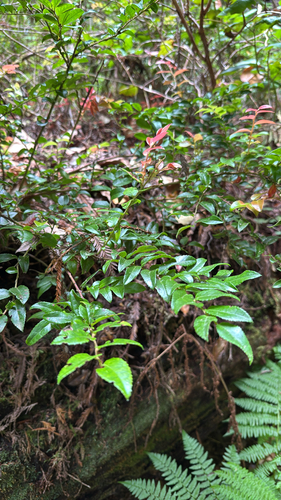
The Evergreen Huckleberry is a small shrub with shiny green leaves and sweet, dark berries. It grows in forests and is loved by many animals, including birds and bears!
Habitat: Forests
The Evergreen Huckleberry has small, glossy, dark green oval leaves that remain vibrant year-round. Its tiny bell-shaped flowers bloom in clusters, ranging from white to pink, maturing into dark purple-black berries.
Category
PlantsRarity
Common
Danger
1/5 · Very low
Snaps
4
Despite its name, the Evergreen Huckleberry is botanically a true blueberry!
Indigenous people traditionally used its shiny, tough leaves to brew a medicinal tea.
Its surprisingly strong, flexible wood was once used by native cultures to make tool handles.
The dense, tangled growth of these shrubs creates excellent hiding spots for small forest critters!
Evergreen Huckleberry has tough, leathery leaves that stay green all winter, allowing it to photosynthesize and make food year-round.
Evergreen Huckleberry can grow well in deep shade, a special adaptation that helps it survive in dense forest understories.
Evergreen Huckleberry produces an abundance of juicy berries, which helps it reproduce by attracting animals to spread its seeds.
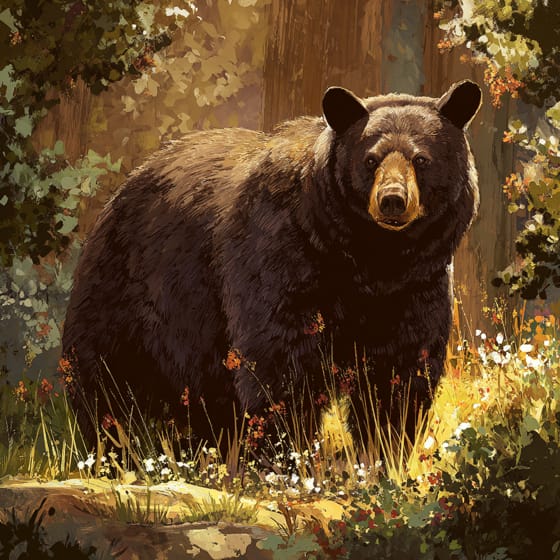
Ursus americanus
Feasts on ripe berries
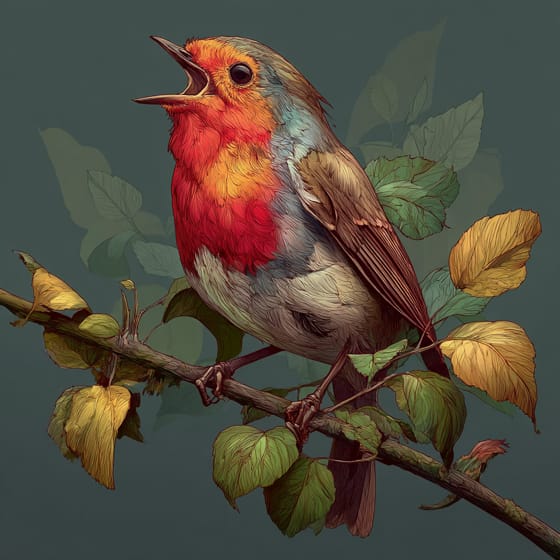
Turdus migratorius
Consumes berries in fall
Bombus occidentalis
Visits flowers for nectar
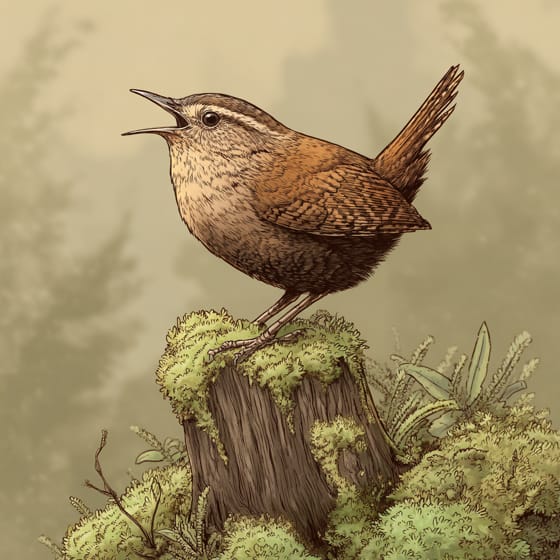
Troglodytes pacificus
Nests in dense foliage
Shade tolerant plants are adapted to grow and thrive in areas with low light levels, requiring less direct sunlight.
A shrub is a woody plant smaller than a tree, typically with multiple stems branching from or near the ground.
Evergreen plants retain their foliage throughout the year, never shedding all their leaves at once.
Fruit-bearing plants produce fruits, which are the mature ovaries of flowering plants containing seeds.

Edible plants are those parts of a plant that are considered safe for human consumption.

Describes plants that are particularly attractive and beneficial to a wide range of pollinating organisms.

Forest habitats are terrestrial environments dominated by dense tree cover, supporting a high diversity of plant and animal life.
No aliases listed yet.
Danger
1/5 · Very low
Always ask an adult before picking and eating berries from plants.
The easiest way to identify Evergreen Huckleberry is to use the Snappit nature identifier app.
50-250 cm
50-200 cm
0.5-0.7 cm
Spring-early summer
Yes
None
Perennial
Zoom in to split clusters and explore where this object has been snapped.
May 24, 2026
Redwood National and State ParksPhoto attribution
no rights reserved
License: CC0 1.0 ↗
Image may be shown cropped inside the card frame.

Washington, US
You might spot Surf Scoter, Horned Grebe, and Salmonberry.
View guide →

British Columbia, CA
You might spot Harbor Seal, Evergreen Huckleberry, and Alumroots.
View guide →

California, US
You might spot Harbor Seal, Ochre Sea Star, and Sea Thrift.
View guide →

Washington, US
You might spot Pacific Tree Frog, Pacific Banana Slug, and Salal.
View guide →

California, US
You might spot Evergreen Huckleberry and Golden Chinquapin.
View guide →

California, US
You might spot Douglas's Ground Squirrel and Button's Banana Slug.
View guide →
Take the discovery with you
Snap it with Snappit to identify it, learn what makes it special, and add the discovery to your collection.








.jpg&width=800)



_001.jpg&width=800)

