





Siamang
Symphalangus syndactylus
The Siamang is a fun-loving gibbon that swings through the trees with its long arms. They are known for their loud calls that can be heard far away in the forest!
Habitat: Forests
The Siamang is a large, all-black ape with very long, powerful arms. It has no tail and is easily identified by its prominent greyish-pink throat sac, which inflates like a balloon when it vocalizes.
Category
MammalsRarity
Common
Danger
2/5 · Low
Snaps
Be the first to snap!
Siamangs are the largest species in the gibbon family.
Siamangs have partially webbed fingers and toes, a rare trait for primates!
Their loud calls create a "boom" sound that travels over two miles!
These apes sing amazing morning duets, lasting up to 30 minutes!
Siamang can swing effortlessly through trees using their incredibly long arms, allowing them to travel fast and find food.
Siamang has partially webbed fingers and toes that help them grip branches more securely while navigating the canopy.
Siamangs mostly munch on juicy fruits and fresh leaves high up in the trees.
Neofelis nebulosa
A powerful predator in the Siamang's forest habitat.
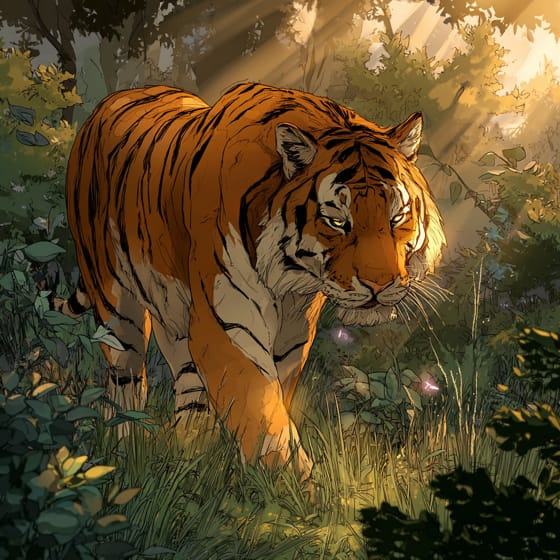
Panthera tigris
These large cats occasionally prey on Siamangs.
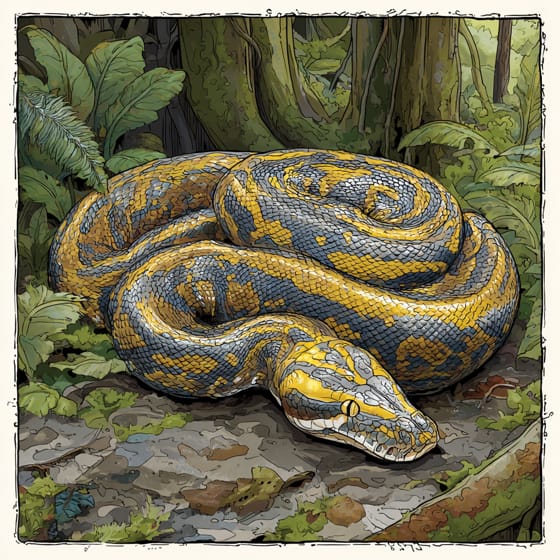
Python reticulatus
Large constrictor snakes can hunt Siamangs in the trees.
Ficus racemosa
Siamangs consume the fruits of fig trees as a primary food source.
Furry describes animals possessing a dense covering of soft hair or fur.
Social animals live in organized groups, cooperating for survival benefits such as foraging, defense, and raising offspring.
Singing animals produce complex vocalizations, often for purposes of attracting mates, defending territory, or communicating within their species.
Arboreal animals live primarily in trees, utilizing them for shelter, food, and protection from predators.

This trait characterizes organisms whose diet consists entirely or primarily of plant material.

Forest habitats are terrestrial environments dominated by dense tree cover, supporting a high diversity of plant and animal life.

Diurnal animals are primarily active during daylight hours, typically resting or sleeping at night.

Endangered status indicates a species is at a very high risk of extinction in the wild in the near future.
Danger
2/5 · Low
Always watch animals from a distance and never try to touch them in the wild.
The easiest way to identify Siamang is to use the Snappit nature identifier app.
75-90 cm
10-14 kg
25-40 years
25 km/h
Siamangs mostly munch on juicy fruits and fresh leaves high up in the trees.
Forests
Foraging
Zoom in to split clusters and explore where this object has been snapped.
Recent snaps will appear here as new observations are added.
Texas, US
You might spot African Lion, Giraffes, and Meerkat.
View guide →
.jpg)
Municipal District of Cobh, IE
You might spot Ring-Tailed Lemur, Giraffes, and Cheetahs.
View guide →
Massachusetts, US
You might spot African Lion, Tiger, and Southern White Rhinoceros.
View guide →
Oklahoma, US
You might spot Tiger, Snow Leopard, and Komodo Dragon.
View guide →
Missouri, US
You might spot Giraffes, African Lion, and Tiger.
View guide →
New York, US
You might spot Asian Elephant, Humboldt Penguin, and Tiger.
View guide →
Take the discovery with you
Snap it with Snappit to identify it, learn what makes it special, and add the discovery to your collection.




.jpg&width=800)

.JPG&width=800)


.jpg&width=800)
