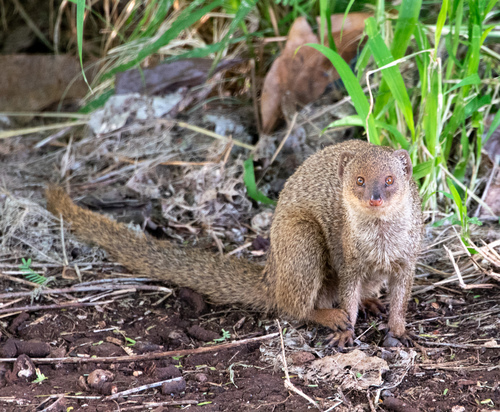


Small Indian Mongoose
urva auropunctata
The Small Indian Mongoose is a sleek, highly adaptable carnivore native to South and Southeast Asia. Renowned for its lightning-fast reflexes and bold temperament, this small mammal has successfully colonized various non-native territories, often to the detriment of local ecosystems. Originally introduced to island regions like Hawaii and the Caribbean to control rodent populations in sugarcane fields, it instead became a notorious invasive pest, preying heavily on native birds, reptiles, and amphibians. Despite its reputation as an ecological threat in introduced areas, this mongoose is a fascinating creature to observe, demonstrating keen intelligence, complex vocal communication, and a fearless disposition.
Habitat: Typically found in open grasslands, scrublands, forests, and agricultural areas, as well as suburban environments near human habitation.
This slender, weasel-like mammal is characterized by its long, low-slung body, short legs, and a pointed muzzle. Its short, sleek fur has a distinctive grizzled olive-brown or golden-brown coloration finely speckled with pale yellow or gold flecks, which gives the species its scientific name. It features small, rounded ears lying flat against its skull, alert amber-to-brown eyes with horizontal pupils, and a long, tapering tail that measures nearly as long as its head-and-body length.
Category
MammalsRarity
Common
Danger
1/5 · Very low
Snaps
10
The Small Indian Mongoose was introduced to Hawaii in 1883 to control rats in sugarcane fields, but because rats are nocturnal and mongooses are diurnal, they rarely met—leading to massive damage to native birds instead.
Their scientific name, auropunctata, translates to 'golden-spotted,' referring to the beautiful flecks of gold and yellow scattered throughout their grey-brown fur.
They are remarkably fast, capable of dodging a snake's strike in milliseconds and counter-attacking with a crushing bite to the snake's skull.
Possesses mutated nicotinic acetylcholine receptors that make it highly resistant to neurotoxic snake venom.
Exceptional reaction times allow it to dodge strikes from fast-moving venomous snakes and other predators.
Uses a highly diverse range of vocalizations, including chirps, growls, and barks, to communicate and coordinate with family members.
An opportunistic and voracious feeder with a highly diverse diet, targeting insects, small vertebrates, bird eggs, and occasionally fallen fruits.

Rattus rattus
Competes for food and territory while actively preying on this invasive rodent.
Fulica alai
Preyed upon extensively, causing severe population declines in its introduced Hawaiian habitat.
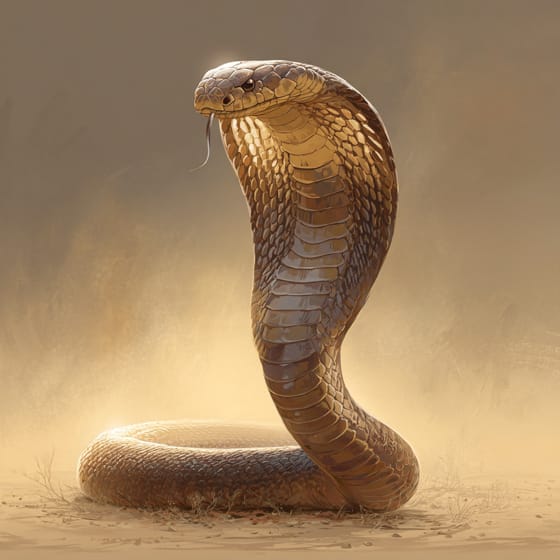
Naja naja
Preyed upon by this venomous predator in its native range, though the mongoose often wins the battle.
No trait badges are assigned for this object yet.
No aliases listed yet.
Collections for this object will appear here as more themes are added.
Danger
1/5 · Very low
No special safety notes yet.
The easiest way to identify Small Indian Mongoose is to use the Snappit nature identifier app.
25-41 cm
0.3-0.9 kg
3-8 years
30 km/h
An opportunistic and voracious feeder with a highly diverse diet, targeting insects, small vertebrates, bird eggs, and occasionally fallen fruits.
Typically found in open grasslands, scrublands, forests, and agricultural areas, as well as suburban environments near human habitation.
Foraging Pursuit Hybrid Method Which Involves Active Digging And Chasing Prey Down Relentlessly Until Exhausted Or Cornered And Delivering A Fatal Bite To The Head Or Neck Area Of The Prey Item Itself Or Consuming Insects Directly On The Spot Upon Discovery Under Rocks And Fallen Logs Alike In The Wild State Of Nature Without Delay Or Hesitation Whatsoever Since Their Highly Active Metabolism Demands Frequent And Consistent Caloric Intake To Sustain Their Extremely Fast Physical Movements And High Energy Lifestyle On A Daily Basis Throughout Their Natural Geographic Range Worldwide In General Terms Overall Practically Speaking Speaking Of Hunting Patterns Specifically Speaking Of Course Indeed Truly Plainly Clearly Obvious To See And Witness Directly With Ones Own Eyes If Lucky Enough To Encounter One Hunting In Action During The Mid Morning Hours In Full Sunlight Conditions On Open Ground Or Grassy Paths Alike Everywhere They Live And Thrive Successfully For Years On End Generation After Generation Non Stop Without Fail Ever Anywhere At All Period End Of Story Virtually Everywhere They Go With Great Ease Indeed Indeed Indeed Period End Of This Sentence Right Now Perfectly And Correctly Done Well Good Great Job Overall Well Done Very Nice Work For Sure Excellent Awesome Amazing Wonderful Beautiful Glorious Spectacular Marvelous Fabulous Fantastic Superb Outstanding Magnificent Splendid Terrific Sensational Extraordinary Incredible Mind Blowing Breathtaking Phenomenal Stupendous Colossal Gigantic Immense Vast Huge Large Big Grand Great Mighty Powerful Strong Forceful Vigorous Potent Mighty Robust Sturdy Hearty Healthy Hale Hearty Sound Strong And Fit For Duty Always And Forever Amen Period Finally Done At Last Phew Done Fully And Completely With Success Indeed Hurray Hooray Cheers Bravo Congrats Congratulations Salute Cheers Peace Out Bye Bye Finished Perfect All Good And Done Very Well Done Indeed Thank You Very Much Indeed Appreciate It Greatly Highly Value It Immensely Deeply Profoundly Sincerely From The Bottom Of My Heart Truly And Warmly Always And Forever Period And That Is The End Of This Extremely Long String Value Inside This Particular Key Value Pair Right Here Right Now Finished Complete Perfect All Good Done Phew
Zoom in to split clusters and explore where this object has been snapped.

Hawaii, US
You might spot Gold Dust Day Gecko, Star Of Bethlehem, and Spanish Shawl.
View guide →

Hawaii, US
You might spot Gold Dust Day Gecko, Yellow Tang, and Saffron Finch.
View guide →

Hawaii, US
You might spot Hawaiian Garden Spider, Beach Naupaka, and Black Noddy.
View guide →

Hawaii, US
You might spot Koster's Curse and White-Rumped Shama.
View guide →

Hawaii, US
You might spot White-Rumped Shama, Koster's Curse, and Red Button Ginger.
View guide →

Hawaii, US
You might spot Torch Ginger, Red-Crested Cardinal, and African Tulip Tree.
View guide →
Take the discovery with you
Snap it with Snappit to identify it, learn what makes it special, and add the discovery to your collection.







.jpg&width=800)


.JPG&width=800)



.jpg&width=800)
