





Smeared Dagger
Acronicta oblinita
The Smeared Dagger is a special caterpillar that turns into a beautiful moth. It has fuzzy, colorful hairs that help it blend into its surroundings and stay safe from predators.
Habitat: Forests
The Smeared Dagger is a medium-sized moth with mottled gray and brown forewings, often marked with darker "dagger" shapes. Its hindwings are plain white. The caterpillar is distinctively black with yellow bands and rows of long, stiff, reddish-brown urticating hairs.
Category
InsectsRarity
Common
Danger
2/5 · Low
Snaps
5
It builds a cozy cocoon out of silk and its own irritating hairs.
The adult moth doesn't eat, only sips nectar, saving its energy for laying eggs!
The caterpillar can munch on leaves for weeks before turning into a moth!
You can spot this moth flying around at night during warmer months.
The adult moth's mottled wings blend perfectly with tree bark, helping it hide from predators during the day.
Its caterpillars can eat leaves from many different plants, helping them find food in diverse habitats.
As a caterpillar, it loves to munch on leaves from various wetland plants and trees!
Age differences: Yes, caterpillars eat leaves, while adult moths primarily seek nectar or do not feed.
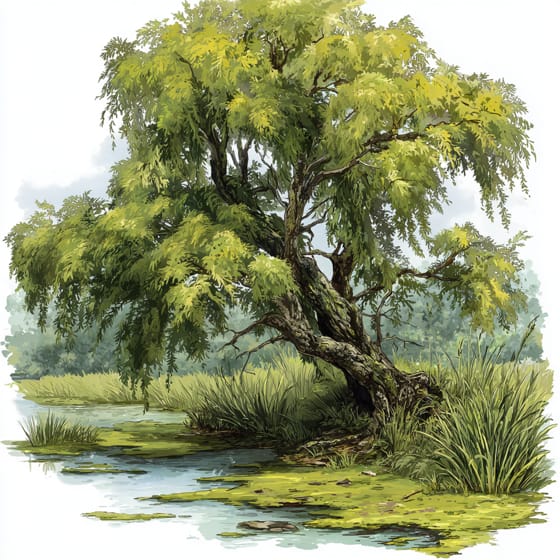
Salix nigra
Caterpillars feed on its leaves.

Acer rubrum
Larvae consume its foliage.
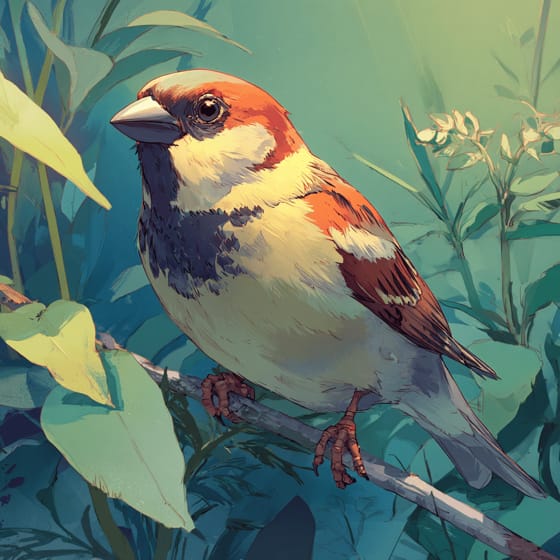
Passer domesticus
Sparrows might prey on adult moths or caterpillars.
Cotesia congregata
Wasp larvae grow inside the caterpillar.
Furry describes animals possessing a dense covering of soft hair or fur.
Solitary animals live alone for most of their lives, only interacting with others for mating or parental care.
Camouflaged describes organisms that possess coloring or patterns that allow them to blend into their environment.
Colorful describes organisms or objects displaying a wide range of bright and distinct colors.

This trait characterizes organisms whose diet consists entirely or primarily of plant material.

Forest habitats are terrestrial environments dominated by dense tree cover, supporting a high diversity of plant and animal life.

Nocturnal animals are primarily active during the nighttime hours, typically resting or sleeping during the day.
No aliases listed yet.
Danger
2/5 · Low
Don't touch caterpillars without asking an adult, as some can be prickly or have hairs that irritate the skin.
The easiest way to identify Smeared Dagger is to use the Snappit nature identifier app.
35-45 mm
15-20 mm
10-20 days
8 km/h
As a caterpillar, it loves to munch on leaves from various wetland plants and trees!
Forests
Foraging
Zoom in to split clusters and explore where this object has been snapped.

Indiana, US
You might spot Common Reed, Rosepink, and Bearberry.
View guide →
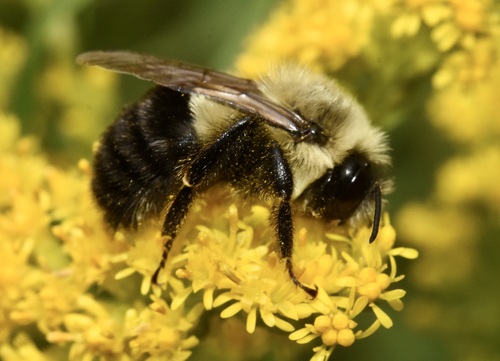
Ohio, US
You might spot Common Eastern Bumble Bee, Sensitive Fern, and Mayapple.
View guide →

Ohio, US
You might spot Canada Goose and Common Eastern Bumble Bee.
View guide →

Missouri, US
You might spot Monarch, Common Buckeye, and Vulture.
View guide →
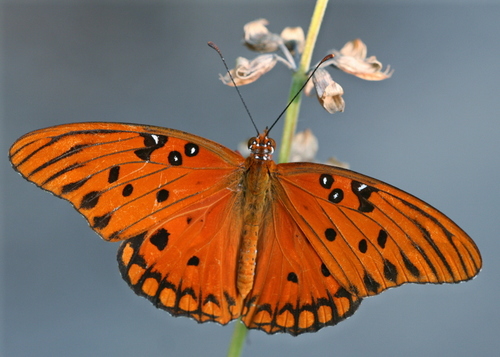
Texas, US
You might spot Gulf Fritillary, Lyreleaf Sage, and Western Ratsnake.
View guide →

Virginia, US
You might spot Echinacea, Southern Wild Raisin, and American Sweetgum.
View guide →
Take the discovery with you
Snap it with Snappit to identify it, learn what makes it special, and add the discovery to your collection.







.jpg&width=800)


