.jpg&width=800)





Smoky Tetanolita Moth
Tetanolita mynesalis
The Smoky Tetanolita Moth is a small, fuzzy moth with beautiful smoky wings. It loves to flutter around at night and can often be found near lights, making it a fun sight to see!
Habitat: Forests
The Smoky Tetanolita Moth is a small moth with a generally muted coloration, featuring smoky gray to brownish-gray wings often dusted with darker scales. Its forewings display subtle wavy lines or a faint discal spot, giving it a mottled appearance that helps it blend into its surroundings.
Category
InsectsRarity
Common
Danger
1/5 · Very low
Snaps
2
Did you know some moths can hear sounds that even humans can't, like bat squeaks?
Many moth caterpillars build cozy homes by rolling up leaves and gluing them together!
Moth wings are covered in thousands of tiny scales that give them their dusty colors!
Some moths can pretend to be wasps or dangerous spiders to scare away hungry birds!
Smoky Tetanolita Moth has smoky gray wings patterned to mimic natural textures, helping it blend perfectly with tree bark or leaf litter.
Smoky Tetanolita Moth has large, compound eyes that help it navigate and find food in low-light conditions, allowing it to fly safely at night.
Smoky Tetanolita Moth possesses sensitive antennae that can detect specific chemical signals from far away, helping it locate mates.
As a caterpillar, it munches on plants, but adult moths sip nectar and tree sap!
Age differences: Larvae eat leaves; adults sip nectar and tree sap.
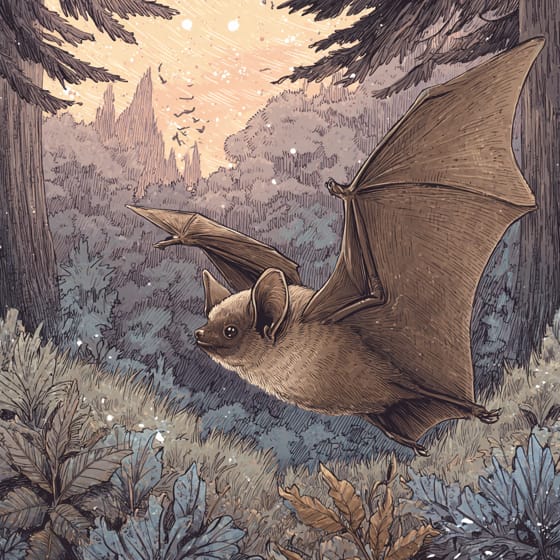
Myotis lucifugus
Bats hunt moths using echolocation at night.
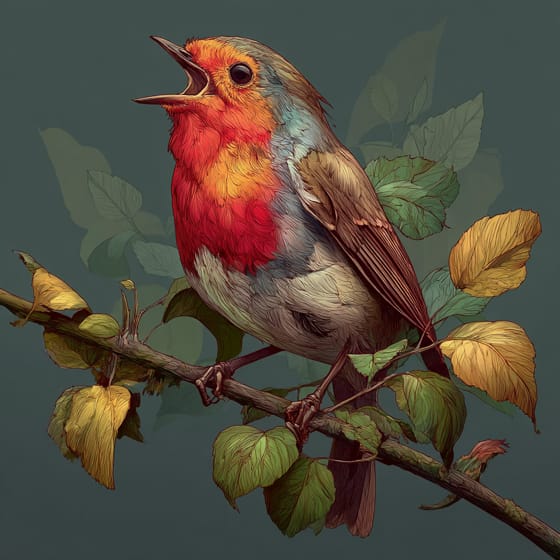
Turdus migratorius
Robins and other birds prey on larvae and adult moths.
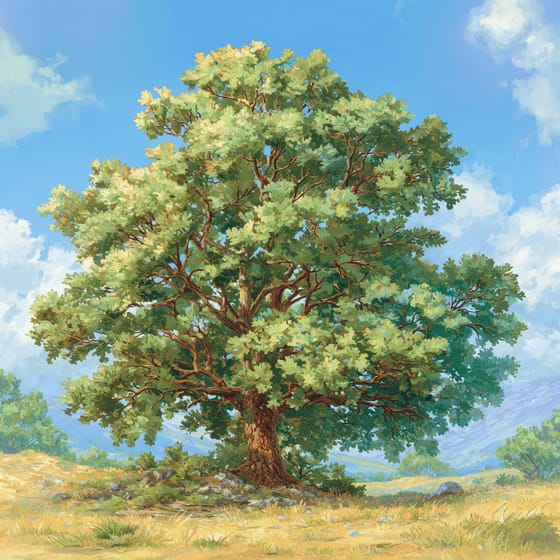
Quercus alba
Its caterpillars feed on oak leaves to grow and develop.
Solidago canadensis
Adult moths visit goldenrod flowers, helping them spread pollen.
Furry describes animals possessing a dense covering of soft hair or fur.
Solitary animals live alone for most of their lives, only interacting with others for mating or parental care.
Camouflaged describes organisms that possess coloring or patterns that allow them to blend into their environment.
This trait characterizes organisms whose diet consists entirely or primarily of plant material.

Describes plants that are particularly attractive and beneficial to a wide range of pollinating organisms.

Forest habitats are terrestrial environments dominated by dense tree cover, supporting a high diversity of plant and animal life.

Nocturnal animals are primarily active during the nighttime hours, typically resting or sleeping during the day.

Describes organisms that transfer pollen, enabling the fertilization and reproduction of plants.
No aliases listed yet.
Danger
1/5 · Very low
Moths are safe to watch, but don’t touch them as they can be delicate.
The easiest way to identify Smoky Tetanolita Moth is to use the Snappit nature identifier app.
25-40 mm
10-18 mm
5-15 days
As a caterpillar, it munches on plants, but adult moths sip nectar and tree sap!
Forests
Foraging
6
Zoom in to split clusters and explore where this object has been snapped.

Texas, US
You might spot Brown Anole, Gulf Fritillary, and Pond Slider.
View guide →
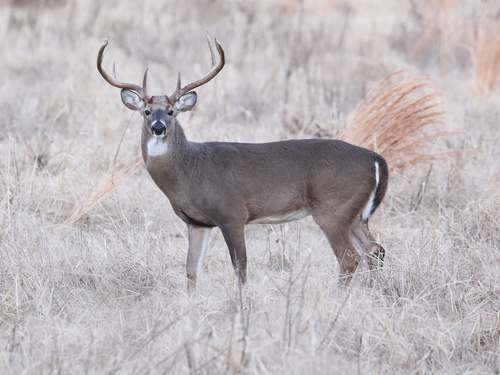
Virginia, US
You might spot White-Tailed Deer, Northern Cardinal, and Red Fox.
View guide →

North Carolina, US
You might spot Anole, Common Eastern Bumble Bee, and Asian Lady Beetle.
View guide →
Virginia, US
You might spot Asian Lady Beetle and Bluegrass Webworm Moth.
View guide →
Take the discovery with you
Snap it with Snappit to identify it, learn what makes it special, and add the discovery to your collection.







.jpg&width=800)



