





smooth sumac
Rhus glabra
Smooth sumac is a tall shrub with bright green leaves that turn red in the fall. It grows in clusters and can be found in sunny places, making it a beautiful sight in nature.
Habitat: Open fields
The smooth sumac is a deciduous shrub with smooth, hairless stems and pinnately compound leaves. It has upright, conical clusters of fuzzy red berries and vibrant orange-red fall foliage that truly stands out.
Category
PlantsRarity
Common
Danger
1/5 · Very low
Snaps
19
Its name 'sumac' might come from an ancient word meaning 'red', for its fiery fall leaves!
Native Americans used sumac parts for medicine, food, and even dyes for clothing!
Unlike its poisonous cousin, smooth sumac is totally safe and a wild edible!
You can find tiny, tart crystals on its berries, making them taste like natural sour candy!
Smooth sumac can spread by underground roots, forming dense thickets that help it quickly regrow after a fire.
Smooth sumac has deep roots, allowing it to survive and thrive even in dry, rocky soils where other plants struggle.
Smooth sumac has dense clusters of fuzzy red berries, providing a crucial food source for birds during winter months.
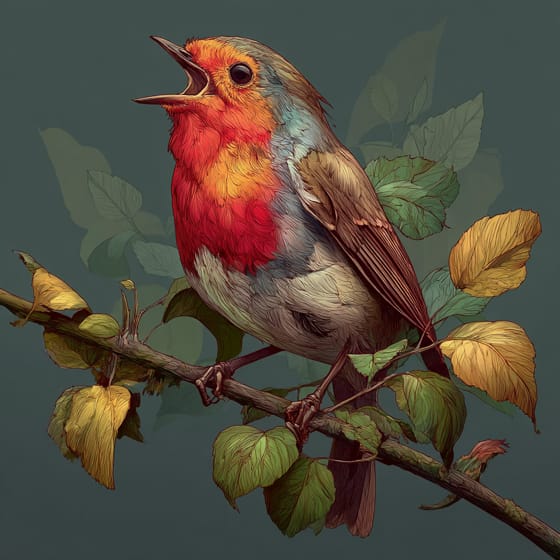
Turdus migratorius
Feasts on tart sumac berries, especially in winter.
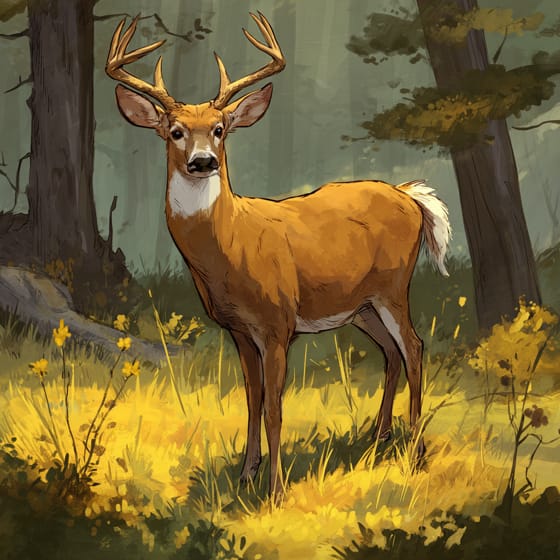
Odocoileus virginianus
Browses sumac leaves and twigs, particularly when food is scarce.
Apis mellifera
Visits small sumac flowers to collect nectar and pollen.
Bombus impatiens
One of many native bees that pollinate smooth sumac flowers.
Deciduous plants periodically shed all their leaves, typically during autumn or dry seasons.
Ornamental plants are cultivated primarily for their aesthetic appeal, enhancing landscapes and gardens with their attractive foliage, flowers, or form.
A shrub is a woody plant smaller than a tree, typically with multiple stems branching from or near the ground.
Fruit-bearing plants produce fruits, which are the mature ovaries of flowering plants containing seeds.

Edible plants are those parts of a plant that are considered safe for human consumption.

Fall color refers to the seasonal change in foliage pigmentation, primarily in deciduous plants, displaying vibrant hues.

Grassland habitats are terrestrial biomes dominated by grasses and herbaceous plants, supporting a variety of grazing animals.

Describes plants that are particularly attractive and beneficial to a wide range of pollinating organisms.
No aliases listed yet.
Danger
1/5 · Very low
Avoid eating any berries or plants without asking an adult first.
The easiest way to identify smooth sumac is to use the Snappit nature identifier app.
200-500 cm
100-250 cm
0.2-0.5 cm
Late spring to early summer
Yes
None
Perennial
Zoom in to split clusters and explore where this object has been snapped.

Alabama, US
You might spot Elf Orpine, Canada Goose, and Leatherleaf Mahonia.
View guide →

New York, US
You might spot Sundial Lupine, Spotted Horsemint, and New Jersey Tea.
View guide →

Alabama, US
You might spot Elf Orpine, Canada Goose, and Great Blue Heron.
View guide →

Wisconsin, US
You might spot Eastern Redcedar, Rock Polypody, and Vulture.
View guide →

Kansas, US
You might spot American Robin, Monarch, and Italian Wall Lizard.
View guide →

New Jersey, US
You might spot American Wintergreen, Wild Geranium, and Mayapple.
View guide →
Take the discovery with you
Snap it with Snappit to identify it, learn what makes it special, and add the discovery to your collection.








.jpg&width=800)



_001.jpg&width=800)



