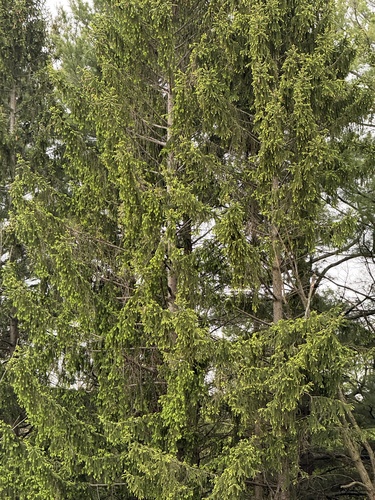




Spruce
Picea abies
Spruce trees are tall evergreens with sharp, needle-like leaves. They stay green all year round and provide homes for birds and squirrels.
Habitat: Forests
The Spruce has a distinct conical shape with sharply pointed, dark green needles that are individually attached to its woody branches. Its rough, scaly bark is typically brown or grayish, and its oblong cones hang downwards, which helps distinguish it from similar conifer trees.
Category
TreesRarity
Common
Danger
2/5 · Low
Snaps
7
Did you know the oldest known individual tree on Earth is a spruce in Sweden, over 9,500 years old?
Native Americans once used spruce roots as strong cordage for weaving baskets and stitching canoes!
Spruce wood is so light and strong, it's used to make the soundboards of grand pianos and violins!
These trees have tiny air sacs in their needles, helping them survive in freezing temperatures!
Spruce has waxy, needle-like leaves and a conical shape that helps it shed snow easily, protecting branches from breaking in heavy winter weather.
Spruce develops a wide, shallow root system that helps it stay anchored and stable in cold, often rocky or shallow soils.
Spruce can keep its needles all year round, allowing it to photosynthesize and make food even during mild winter days.
Spruce species often have thick bark that helps protect the tree from the heat of less intense forest fires.

Tamiasciurus hudsonicus
nests and caches cones
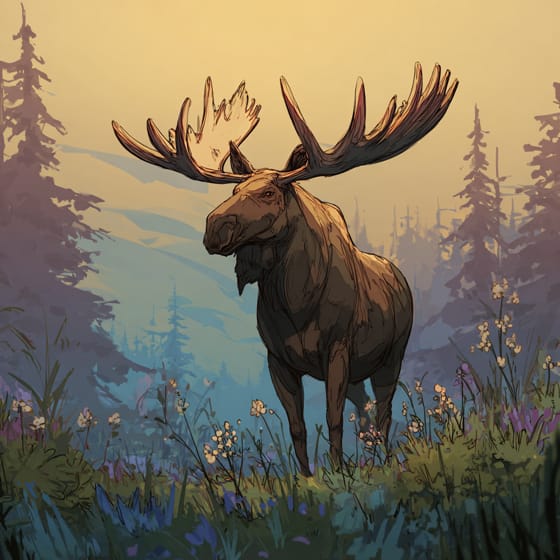
Alces alces
browses on young shoots
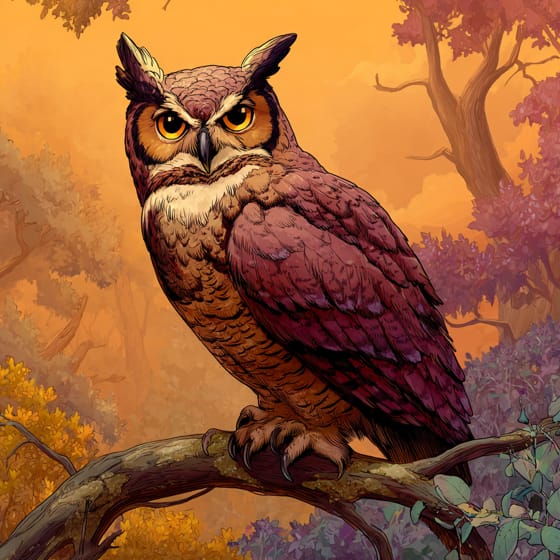
Bubo virginianus
builds nests in branches
Russula emetica
forms mycorrhizal associations
This trait describes a symbiotic relationship between a fungus and the roots of a plant, benefiting both organisms.
Cold hardy plants are able to withstand low temperatures and freezing conditions without significant damage.
Coniferous plants are typically evergreen, bearing needles or scales and reproductive cones.
Evergreen plants retain their foliage throughout the year, never shedding all their leaves at once.

Medicinal plants possess chemical compounds that can be used for therapeutic purposes to treat illnesses or maintain health.
Timber refers to wood that has been prepared for use in building and carpentry.

Forest habitats are terrestrial environments dominated by dense tree cover, supporting a high diversity of plant and animal life.
Danger
2/5 · Low
Enjoy the beauty of spruce trees from a safe distance and avoid climbing them.
The easiest way to identify Spruce is to use the Snappit nature identifier app.
20-60 m
5-15 m
Yes
50-150 cm
200-800 years
Forests
Cone
Zoom in to split clusters and explore where this object has been snapped.
May 12, 2026
Richard Bong State Recreation AreaPhoto attribution
(c) Brandon Corder, some rights reserved (CC BY)
License: CC BY 4.0 ↗
Image may be shown cropped inside the card frame.

Pennsylvania, US
You might spot Pinesap, Great Rhododendron, and Mountain Laurel.
View guide →

New York, US
You might spot Common Eastern Bumble Bee and American Robin.
View guide →

Wisconsin, US
You might spot Eastern Forktail and Brown-Belted Bumble Bee.
View guide →

Maine, US
You might spot Large-Leaved Lupine, Tree Lungwort, and Asian Bittersweet.
View guide →

Connecticut, US
You might spot Multiflora Rose, Christmas Fern, and Striped Wintergreen.
View guide →

Connecticut, US
You might spot Green Frog, American Holly, and Eastern White Pine.
View guide →
Take the discovery with you
Snap it with Snappit to identify it, learn what makes it special, and add the discovery to your collection.