





strawberry bush
Euonymus americanus
The strawberry bush is a fun plant with bright green leaves and pretty pink fruits. It grows in many places and is loved by birds and other animals that eat its berries.
Habitat: Forests
The strawberry bush has delicate, greenish-yellow flowers and bright green leaves that turn vibrant red in autumn. Its most striking feature is the warty, bright pink capsules that split open to reveal shiny orange-red seeds, resembling small, inedible strawberries.
Category
PlantsRarity
Common
Danger
2/5 · Low
Snaps
18
Even in winter, its unique green stems stand out in the snowy landscape!
Indigenous peoples once used parts of this bush for medicinal purposes!
Its small, almost invisible flowers hide before the big, bold fruits arrive!
Some call it 'Hearts-a-bustin'' because of its amazing fruit shape!
Strawberry bush has bright pink fruits that burst open to reveal vibrant orange seeds, attracting birds to help spread them far and wide.
Strawberry bush can thrive in deep shade thanks to its adaptation for efficient photosynthesis even with very little sunlight.
Strawberry bush has compounds in its seeds and fruit that are toxic to humans, protecting it from being eaten by many animals.
Apis mellifera
Visits the small flowers

Bombus impatiens
Helps fertilize its blooms
Deciduous plants periodically shed all their leaves, typically during autumn or dry seasons.
Shade tolerant plants are adapted to grow and thrive in areas with low light levels, requiring less direct sunlight.
A shrub is a woody plant smaller than a tree, typically with multiple stems branching from or near the ground.
Fruit-bearing plants produce fruits, which are the mature ovaries of flowering plants containing seeds.

Colorful describes organisms or objects displaying a wide range of bright and distinct colors.

Fall color refers to the seasonal change in foliage pigmentation, primarily in deciduous plants, displaying vibrant hues.

Describes plants that are particularly attractive and beneficial to a wide range of pollinating organisms.

Forest habitats are terrestrial environments dominated by dense tree cover, supporting a high diversity of plant and animal life.
No aliases listed yet.
Danger
2/5 · Low
Do not eat the berries from this bush, as they are not safe for people.
The easiest way to identify strawberry bush is to use the Snappit nature identifier app.
120-240 cm
120-240 cm
0.5-1 cm
Late spring to early summer
No
Moderate
Perennial
Zoom in to split clusters and explore where this object has been snapped.

Tennessee, US
You might spot House Sparrow, Northern Mockingbird, and Gulf Fritillary.
View guide →
Delaware, US
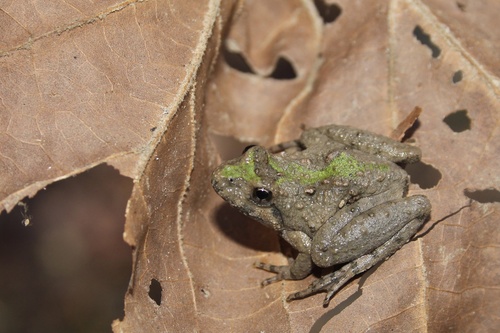
You might spot Northern Cricket Frog, Fan Clubmoss, and Fowler's Toad.
View guide →
.jpg)
Virginia, US
You might spot Great Blue Heron and Canada Goose.
View guide →
Maryland, US
You might spot Northern Cricket Frog and Common Whitetail.
View guide →

North Carolina, US
You might spot Northern Cardinal, Carolina Wren, and Tufted Titmouse.
View guide →

Alabama, US
You might spot Anole, Bee, and Bristle Thistle.
View guide →
Take the discovery with you
Snap it with Snappit to identify it, learn what makes it special, and add the discovery to your collection.







.jpg&width=800)



_001.jpg&width=800)



