




coastal woodfern
Dryopteris arguta
The coastal woodfern is a lovely green plant that grows in shady, moist places. Its fronds are long and feathery, making it look like a delicate fan in the forest.
Habitat: Forests
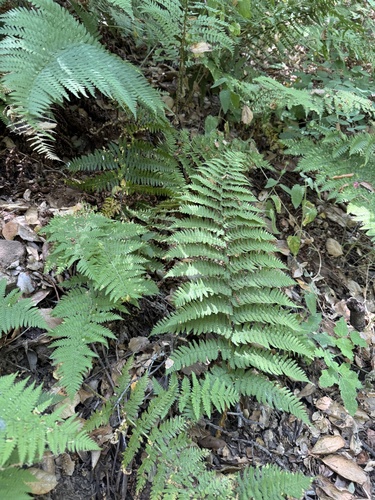
The coastal woodfern has vibrant, evergreen fronds that grow in a graceful, upright clump. Its deeply cut, triangular leaves are a rich green, often with a subtle gloss, giving it a lush, feathery appearance. The stipes are covered with distinctive brown scales.
Category
PlantsRarity
Common
Danger
1/5 · Very low
Snaps
5
Baby fern leaves, called fiddleheads, are tightly coiled like a violin's scroll as they unfurl!
Ferns are ancient! They lived alongside dinosaurs millions of years ago, before flowering plants appeared.
Instead of seeds, this fern releases millions of tiny spores, which are like microscopic dust!
This fern gets its name "arguta" because its leaf edges are sharply toothed, like tiny saws!
Coastal woodfern has numerous tiny spores that help it reproduce and spread to new areas without needing seeds or flowers.
Coastal woodfern has tough, evergreen fronds that help it make food all year, even in cooler weather, giving it an advantage.
Coastal woodfern grows extensive roots that help stabilize soil on hillsides, preventing erosion and keeping its home intact.
Deciduous plants periodically shed all their leaves, typically during autumn or dry seasons.
Describes organisms capable of converting atmospheric nitrogen into compounds usable by plants.
Ornamental plants are cultivated primarily for their aesthetic appeal, enhancing landscapes and gardens with their attractive foliage, flowers, or form.
Shade tolerant plants are adapted to grow and thrive in areas with low light levels, requiring less direct sunlight.

Spore-producing organisms reproduce by releasing small, often single-celled, reproductive units called spores.

Describes organisms that break down dead organic material, recycling nutrients back into the ecosystem.

Forest habitats are terrestrial environments dominated by dense tree cover, supporting a high diversity of plant and animal life.

Coastal habitats are dynamic environments located along the interface between land and sea, influenced by tides, waves, and saltwater.
This habitat trait identifies species found in temperate rainforests, characterized by significant rainfall, mild temperatures, and dense evergreen or deciduous forests in coastal regions.
No aliases listed yet.
Danger
1/5 · Very low
Don't touch plants unless you know they are safe. Always explore with an adult.
The easiest way to identify coastal woodfern is to use the Snappit nature identifier app.
30-90 cm
30-60 cm
No
None
Perennial
Forests
Zoom in to split clusters and explore where this object has been snapped.
Jul 6, 2025
Chumash Painted Cave State Historic ParkPhoto attribution
(c) John Burnett, some rights reserved (CC BY-SA)
License: CC BY-SA 4.0 ↗
Image may be shown cropped inside the card frame.

California, US
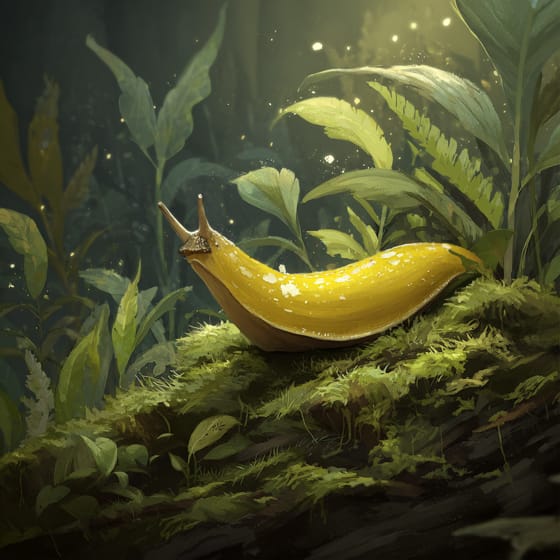
You might spot Redwood Sorrel, Redwood, and Button's Banana Slug.
View guide →

California, US
You might spot Sunburst Anemone, Ochre Sea Star, and Striped Shore Crab.
View guide →

Oregon, US
You might spot Duck, Wood Duck, and Douglas Fir.
View guide →

California, US
You might spot Canyon Sunflower, Cardinal Catchfly, and White Globe Lily.
View guide →
Take the discovery with you
Snap it with Snappit to identify it, learn what makes it special, and add the discovery to your collection.







.jpg&width=800)



_001.jpg&width=800)



