

Sugar Pine
pinus lambertiana
The majestic Sugar Pine (Pinus lambertiana) reigns as the tallest and most massive of all pine species, earning it the title 'King of the Conifers' from naturalist John Muir. Native to the mountains of the Pacific coast of North America, this grand evergreen is a true forest giant, easily recognizable by its open, crown-like canopy of massive, horizontal branches. It holds a legendary status in the forestry world, not only for its towering height but also for producing the longest cones of any conifer on Earth. Historically, Native Americans and early settlers prized the tree for its sweet, sugary sap, which exudes from wounds in the bark and can be eaten like candy. Today, it remains a vital ecological pillar of western montane ecosystems, providing crucial food and habitat for a diverse array of forest wildlife while capturing the imagination of hikers and nature lovers who walk beneath its immense shadow.
Habitat: Found in mixed-conifer montane forests of western North America, typically on well-drained mountain slopes and ridges at mid-to-high elevations.
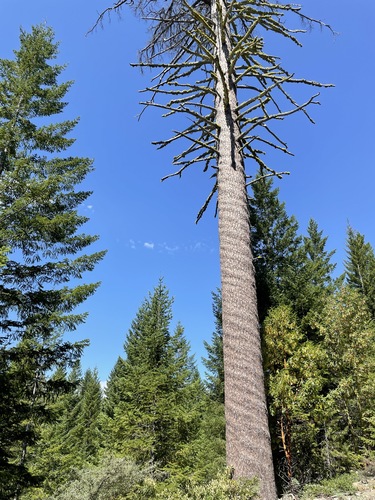
This massive conifer is identified by its towering, straight trunk covered in thick, deeply furrowed, reddish-brown bark. Its long, horizontal branches spread widely to form an open, flat-topped crown at maturity. The needles are bluish-green, measuring 5 to 10 centimeters long, and grow in bundles of five with finely serrated edges. Most distinctively, the sugar pine produces immense, woody seed cones that hang pendulously from the tips of its branches. These pale brown cones are remarkably long and slender, typically measuring between 25 and 50 centimeters, and occasionally reaching up to 60 centimeters in length.
Category
PlantsRarity
Common
Danger
1/5 · Very low
Snaps
1
It produces the longest woody cones of any conifer species in the world, with specimens regularly reaching over 50 centimeters (20 inches) in length.
Its common name comes from the sweet, sugary resin that crystallizes on wounds of the trunk, which Native Americans used as a traditional sweetener and natural laxative.
The naturalist John Muir famously coined the Sugar Pine the 'King of the Conifers' due to its majestic, towering stature.
Produces the longest cones of any conifer species, protecting its large, wing-propelled seeds from premature predation until they are fully mature.
Develops extremely thick, furrowed bark as it matures, allowing older trees to survive low-to-moderate intensity forest fires.
Exudes a sweet, sugary resin rich in pinitol from bark wounds, which helps seal injuries and acts as a natural defense system.
As a photosynthetic plant, the Sugar Pine synthesizes its own food using sunlight, water, carbon dioxide, and essential nutrients drawn from the soil.
Tamiasciurus douglasii
Douglas squirrels harvest and cache the large, nutritious seeds, acting as both consumers and major seed dispersers when caches are left uneaten.
Cronartium ribicola
This invasive fungal pathogen causes white pine blister rust, a highly destructive disease that infects and kills sugar pines of all ages.

Nucifraga columbiana
Feeds heavily on the seeds and caches them in forest soils, aiding significantly in the natural regeneration of sugar pine populations.
No trait badges are assigned for this object yet.
No aliases listed yet.
Collections for this object will appear here as more themes are added.
Danger
1/5 · Very low
No special safety notes yet.
Start with the whole plant, then compare leaf arrangement, leaf edges, stems and any flowers or fruit. Opposite leaves grow in pairs; alternate leaves come one at a time along the stem. These details tell you far more together than a single green leaf does. Plant Identifier: upload a photo and compare the visible details.
4000-8200 cm
10000-95000 kg
300-500 years
As a photosynthetic plant, the Sugar Pine synthesizes its own food using sunlight, water, carbon dioxide, and essential nutrients drawn from the soil.
Found in mixed-conifer montane forests of western North America, typically on well-drained mountain slopes and ridges at mid-to-high elevations.
Zoom in to split clusters and explore where this object has been snapped.
Nevada, US
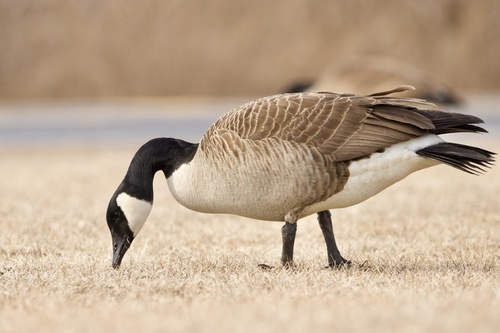
You might spot Canada Goose, Antelope Bitterbrush, and Steller's Jay.
View guide →
California, US
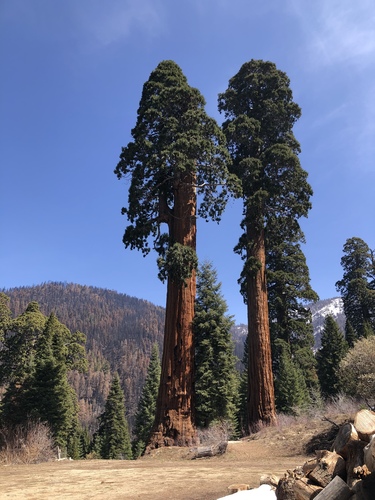
You might spot Sequoia, Mountain Misery, and Black Bear.
View guide →

California, US
You might spot Sequoia, California Incense-Cedar, and White Fir.
View guide →
California, US
You might spot Sequoia, Whiskerbrush, and Black Bear.
View guide →

California, US
You might spot Sequoia, Mule Deer, and Black Bear.
View guide →

California, US
You might spot Sequoia, Mule Deer, and Black Bear.
View guide →
Take the discovery with you
Snap it with Snappit to identify it, learn what makes it special, and add the discovery to your collection.