





swamp white oak
Quercus bicolor
The swamp white oak is a strong tree that loves wet places! It has big, green leaves and produces acorns that squirrels and birds enjoy. This tree is great for parks and forests.
Habitat: Wetlands
The swamp white oak is a majestic tree with a distinctive two-toned leaf: dark green above and silvery-white underneath. Its bark starts smooth, becoming deeply furrowed and ridged with age, often flaky on upper branches. Mature trees develop a broad, rounded crown.
Category
PlantsRarity
Common
Danger
1/5 · Very low
Snaps
4
Its acorns are a valuable food for many animals, even humans after preparation!
Its unique leaves are dark green on top and surprisingly silvery-white underneath!
The swamp white oak can survive being partially submerged in water for weeks!
This oak is a true survivor, thriving in soggy soils where many other trees can't!
swamp white oak has specialized roots that can tolerate prolonged flooding, helping it thrive in wetland environments.
Its leaves are dark green on top and silvery-white underneath, which reflects light and creates a shimmering effect in the wind.
This oak produces large acorns that provide a crucial food source, helping numerous animals survive the fall and winter months.
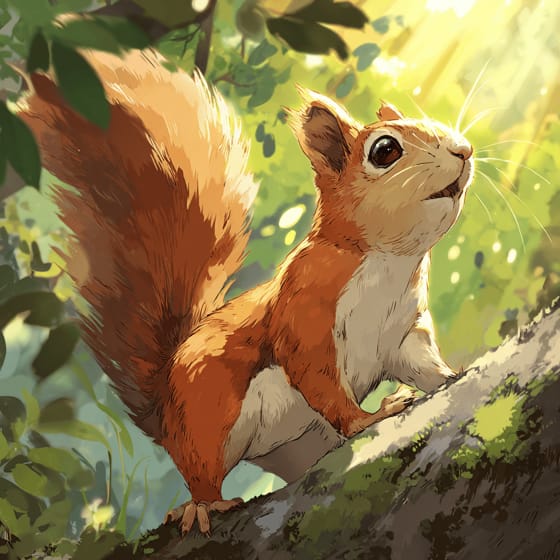
Sciurus carolinensis
Relies heavily on its abundant acorns.
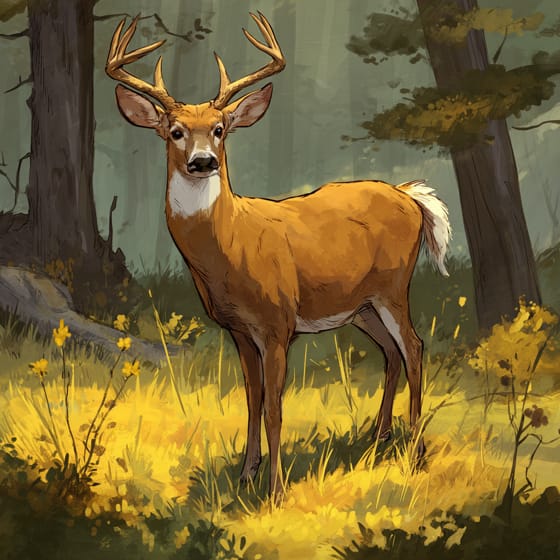
Odocoileus virginianus
Browses on its leaves and young twigs.
.jpg&width=800)
Sitta carolinensis
Forages on bark and nests in tree cavities.

Callosamia promethea
Its caterpillars feed on the leaves.
Deciduous plants periodically shed all their leaves, typically during autumn or dry seasons.
Broadleaf trees are angiosperms characterized by flat, wide leaves that are typically shed annually in temperate climates.
Nut bearing plants produce hard-shelled fruits, commonly known as nuts, which contain a single seed and are a valuable food source.
Edible plants are those parts of a plant that are considered safe for human consumption.

Timber refers to wood that has been prepared for use in building and carpentry.

Forest habitats are terrestrial environments dominated by dense tree cover, supporting a high diversity of plant and animal life.

This trait characterizes organisms with an exceptionally long lifespan compared to others of their kind.

This habitat trait identifies species found in wetlands, which are areas of land saturated with water, either permanently or seasonally, including marshes, swamps, and bogs.

Describes a species whose presence and role have a disproportionately large effect on its environment.
No aliases listed yet.
Danger
1/5 · Very low
Stay on paths when exploring near trees, and don't climb without an adult's help.
The easiest way to identify swamp white oak is to use the Snappit nature identifier app.
1500-2500 cm
1000-2000 cm
Spring
Yes
Mild
Perennial
Wind
Zoom in to split clusters and explore where this object has been snapped.
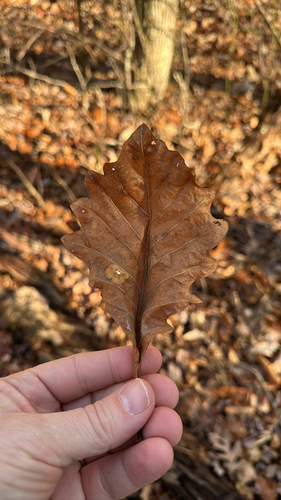
Jan 15, 2026
Oak Knoll Wildlife SanctuaryPhoto attribution
(c) John Baur, some rights reserved (CC BY)
License: CC BY 4.0 ↗
Image may be shown cropped inside the card frame.

Iowa, US
You might spot Common Eastern Bumble Bee and Eastern Cottontail.
View guide →

District of Columbia, US
You might spot Spotted Lanternfly and Eastern Gray Squirrel.
View guide →

Virginia, US
You might spot Kiwi Bubbles and Eastern Skunk Cabbage.
View guide →

Massachusetts, US
You might spot Eastern Skunk Cabbage and Sweet Pepperbush.
View guide →

District of Columbia, US
You might spot Spotted Lanternfly and Asian Lady Beetle.
View guide →

District of Columbia, US
You might spot Lesser Celandine, Amur Honeysuckle, and Garlic Mustard.
View guide →
Take the discovery with you
Snap it with Snappit to identify it, learn what makes it special, and add the discovery to your collection.







.jpg&width=800)


_001.jpg&width=800)


