





sweet birch
Betula lenta
The sweet birch is a tall tree with smooth, dark bark and shiny leaves. It grows in forests and is known for its sweet sap, which can be made into syrup!
Habitat: Forests
The sweet birch has shiny, dark reddish-brown bark that often peels in thick, non-papery plates, distinct from other birches. Its slender twigs are aromatic, and its oval, finely-toothed leaves turn bright yellow in autumn.
Category
PlantsRarity
Common
Danger
1/5 · Very low
Snaps
8
Before synthetic versions, sweet birch sap was a main source of wintergreen oil.
Indigenous peoples once brewed its bark into a root beer-like beverage.
Its bark smells exactly like a wintergreen mint when you scratch it!
The scientific name 'lenta' means 'pliable', describing its flexible yet strong wood!
Sweet birch twigs and bark produce a wintergreen scent that helps it deter hungry insects and animals.
Its strong, pliable wood helps the tree withstand harsh winds and heavy snow without breaking.
This tree can grow well in poor or rocky soils, allowing it to colonize new forest areas.
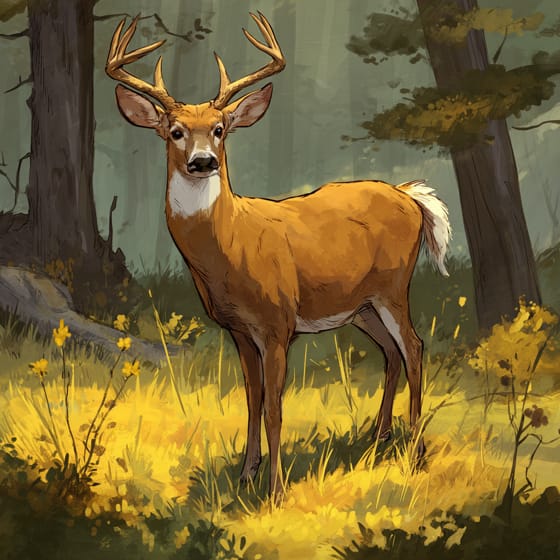
Odocoileus virginianus
browses its twigs and leaves
.jpg&width=800)
Tamias striatus
forages for its small seeds
Sciurus carolinensis
builds nests and hides food in its branches
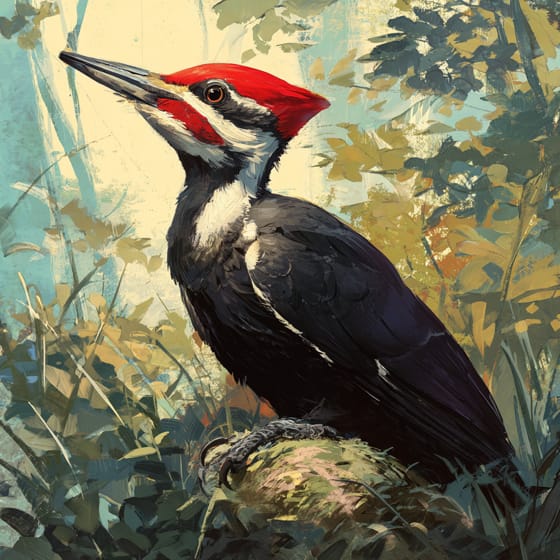
Dryocopus pileatus
excavates nesting cavities in older trees
Aromatic plants produce and emit fragrant volatile organic compounds, often for defense or to attract pollinators.
Deciduous plants periodically shed all their leaves, typically during autumn or dry seasons.
Broadleaf trees are angiosperms characterized by flat, wide leaves that are typically shed annually in temperate climates.
Fragrant flowers emit a pleasant aroma, often to attract pollinators or for defense.

Edible plants are those parts of a plant that are considered safe for human consumption.

Rapid growing plants exhibit accelerated growth rates, quickly increasing in size and biomass within a short period.

Timber refers to wood that has been prepared for use in building and carpentry.

Forest habitats are terrestrial environments dominated by dense tree cover, supporting a high diversity of plant and animal life.

Describes a species whose presence and role have a disproportionately large effect on its environment.
Danger
1/5 · Very low
Always stay on paths when exploring near trees to avoid tripping.
The easiest way to identify sweet birch is to use the Snappit nature identifier app.
1200-3000 cm
400-1500 cm
1-8 cm
Early spring
Yes
None
Perennial
Zoom in to split clusters and explore where this object has been snapped.

Pennsylvania, US
You might spot Mountain Laurel, Ghost Pipe, and Sweetfern.
View guide →

Massachusetts, US
You might spot American Bison, Domestic Bactrian Camel, and Black Bear.
View guide →
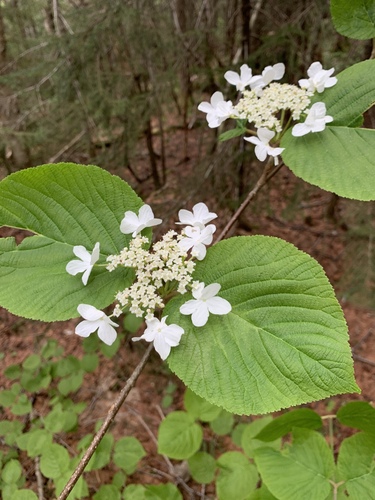
Massachusetts, US
You might spot Hobblebush, Red Trillium, and Eastern Newt.
View guide →

Massachusetts, US
You might spot American Toad, Hobblebush, and Mountain Laurel.
View guide →
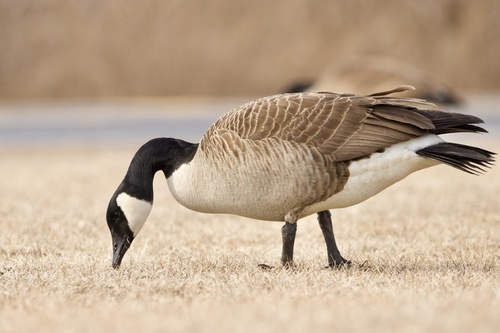
Massachusetts, US
You might spot Canada Goose and Downy Woodpecker.
View guide →
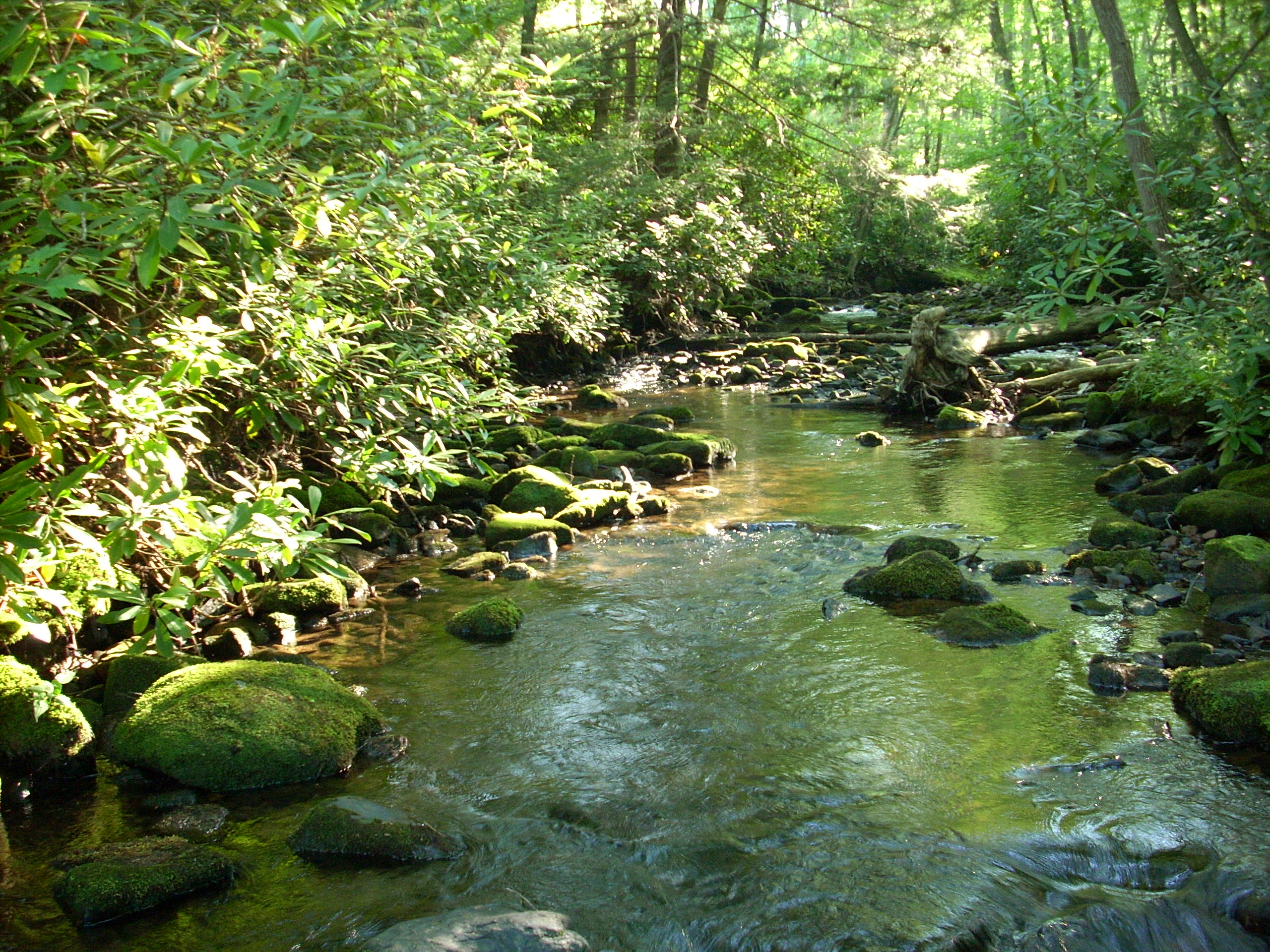
Pennsylvania, US
You might spot Sweet Birch, White Oak, and Scarlet Oak.
View guide →
Take the discovery with you
Snap it with Snappit to identify it, learn what makes it special, and add the discovery to your collection.







.jpg&width=800)

_001.jpg&width=800)



